The Department for Environment, Food and Rural Affairs (Defra) launched a Call for Evidence in September examining the ‘welfare, environmental and wildlife impacts associated with gamebird breeding, rearing, release and shooting in England’.
Animal Aid’s submission draws together evidence from investigations conducted between 2015 and 2026, alongside FOI requests, regulatory engagement, academic research and peer reviewed scientific studies.
A chance to expose the reality behind shooting
For years, our investigators have documented what happens behind the scenes of an industry that breeds and releases tens of millions of pheasants and partridges each year to be shot for ‘fun’.
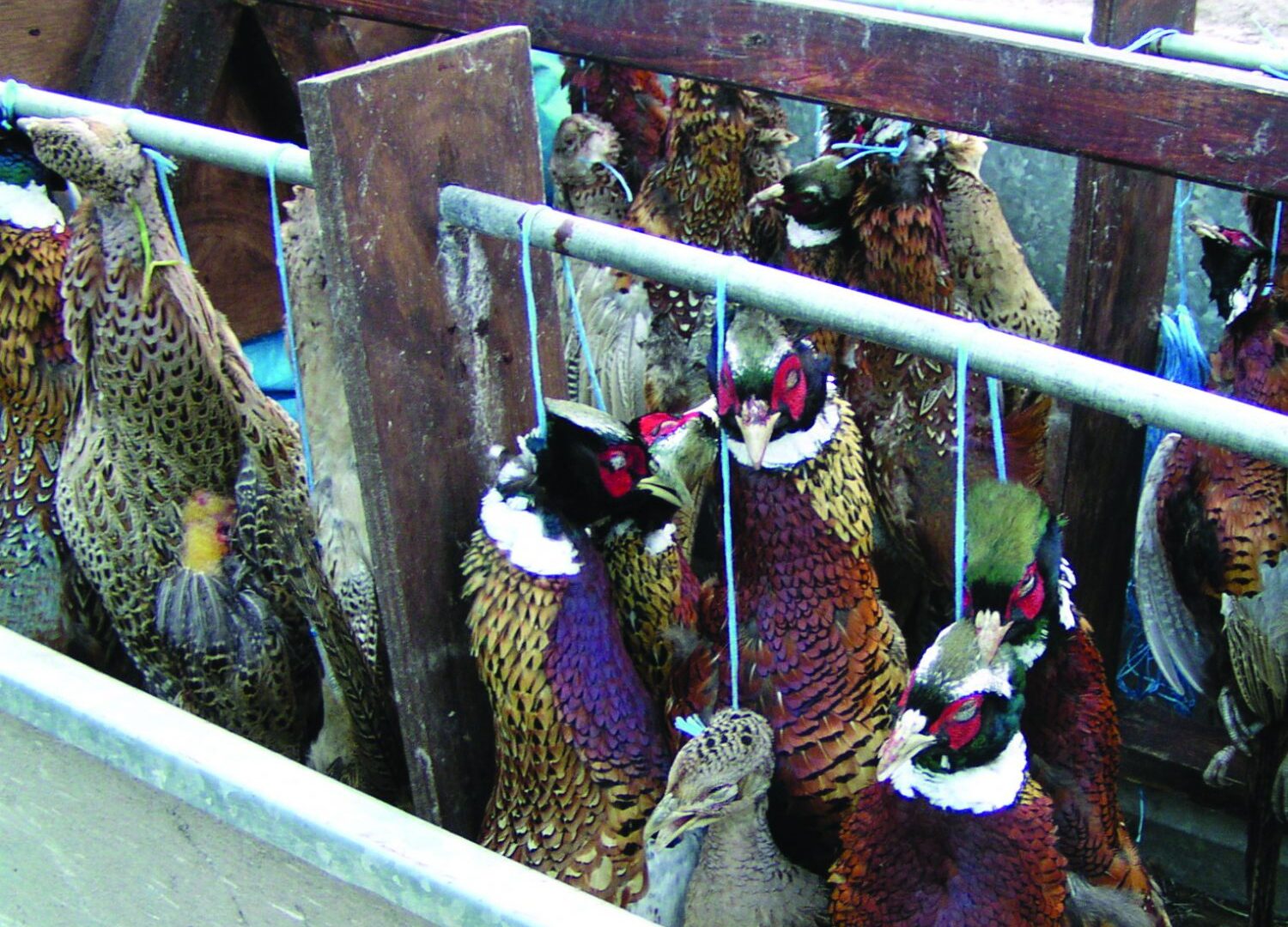
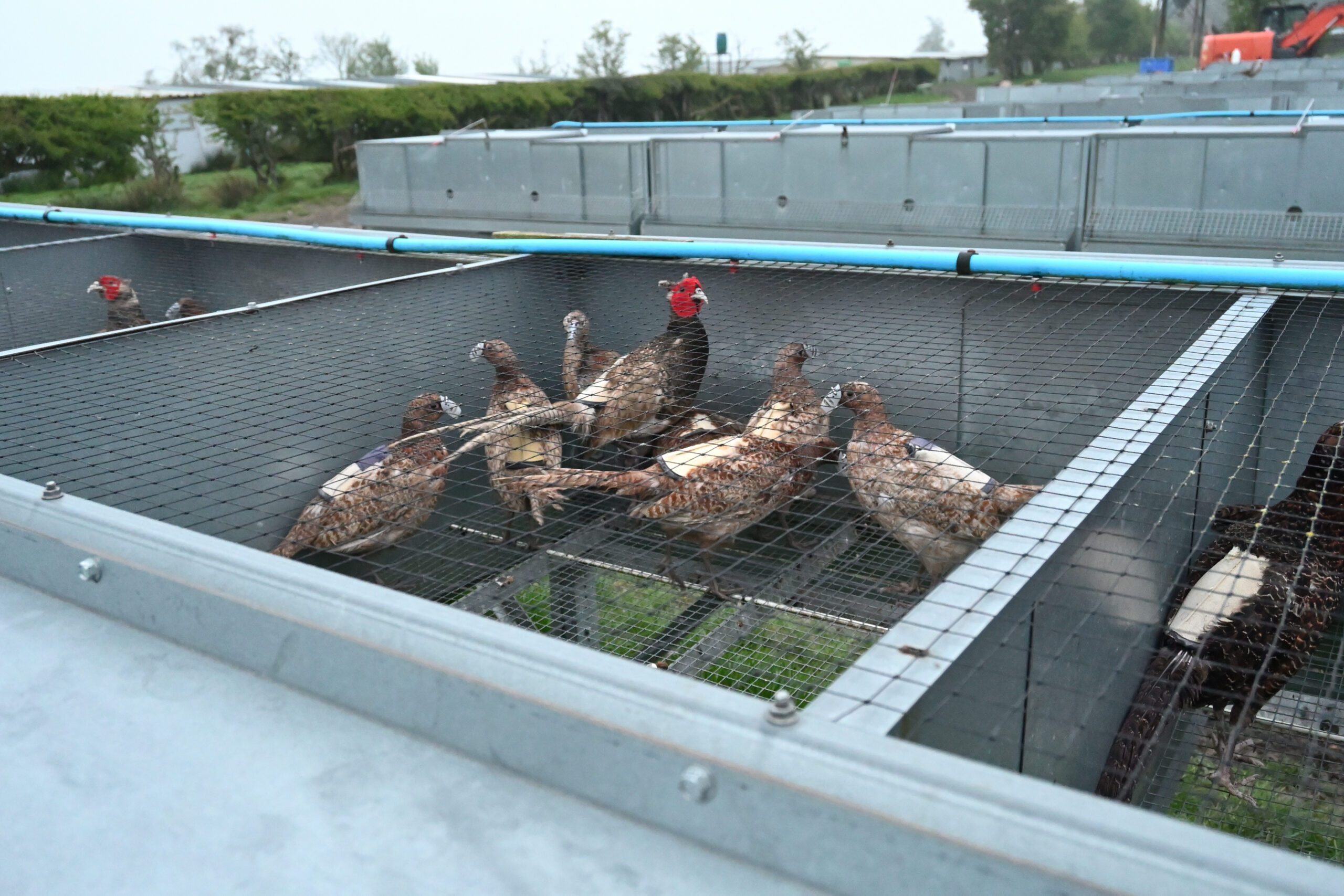
Evidence submitted to Defra includes findings from investigations at breeding facilities across England and Wales. Investigators documented partridges confined in barren raised laying units, while pheasants at other sites were kept in similarly barren cages. Dead birds were found among living birds, with evidence suggestive of cannibalistic pecking. Female birds were fitted with restrictive plastic masks intended to reduce injuries associated with intensive confinement, while investigators recorded feather loss and breeding related injuries. Large waste piles close to bird enclosures also raised serious concerns about disease risk and biosecurity.
One of the most striking findings emerging from our work is the consistency of these concerns. Similar conditions, housing systems, welfare issues and biosecurity risks were documented repeatedly across locations and spanning more than a decade.
Looking beyond the breeding cages
Defra requested evidence not only on ‘animal welfare’, but also on the wider environmental, wildlife and social impacts of the shooting industry.
Animal Aid’s submission highlights what it describes as the industrial scale of the sector. Between 40 and 60 million pheasants and red-legged partridges are estimated to be released into the British countryside each year. At their peak in August, released pheasants and red-legged partridges account for around 52.5% of the total bird biomass in Britain, exceeding the biomass of all native wild bird species combined.
Yet despite their vast numbers, these birds are rarely viewed as individuals. They are sentient living beings, subjected to suffering from the moment they hatch. Our investigations repeatedly show birds trying to fly through the wire roofs of their cages, injuring themselves in apparent attempts to escape confinement.
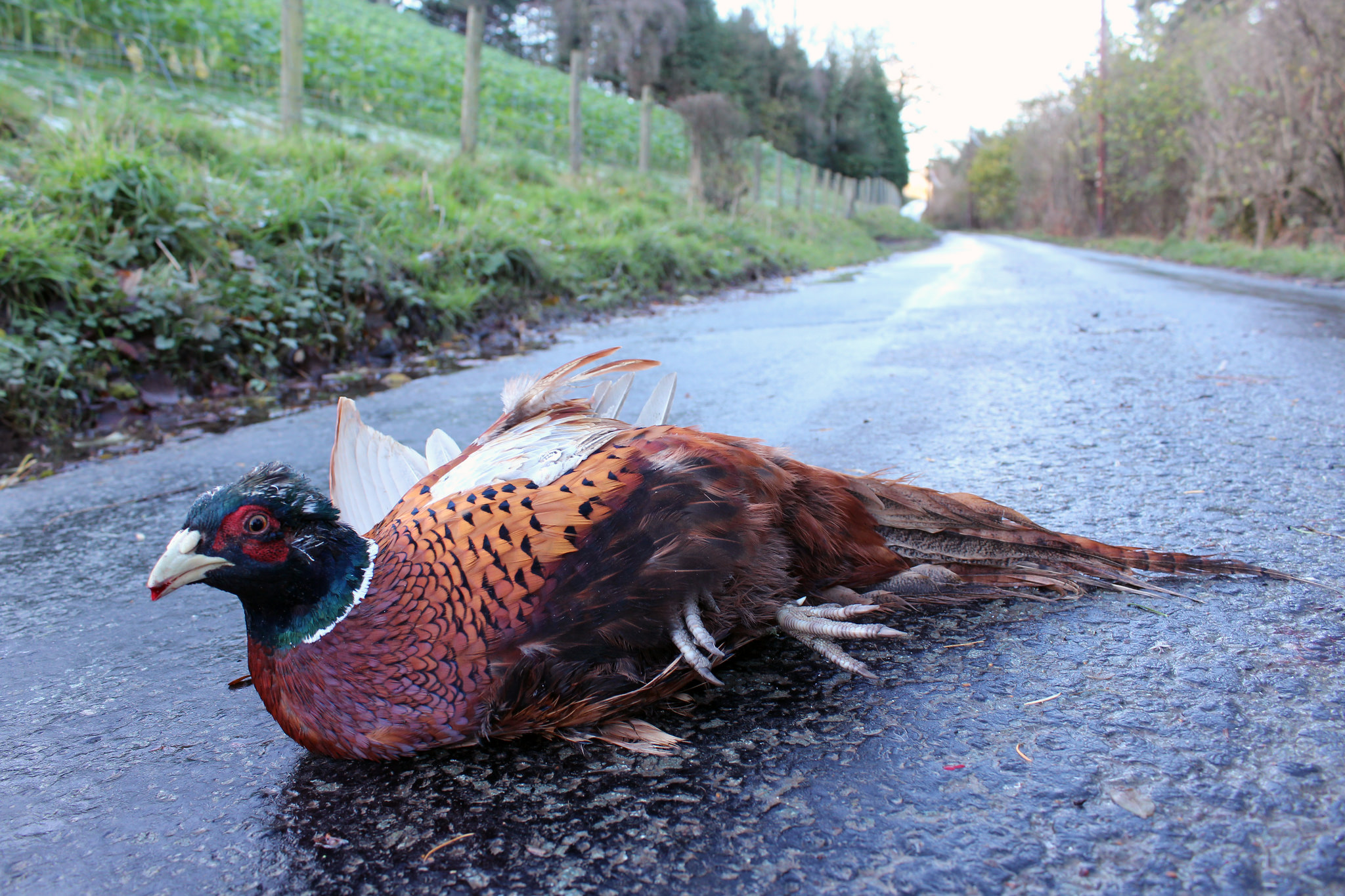
For them, life begins in a cage and ends with the pull of trigger.
Overall, the submission brought together evidence concerning the industrial-scale breeding and rearing of birds, the suffering experienced within intensive production systems, the trapping and killing of wild birds in the interests of the industry, disease and biosecurity risks, antibiotic use, environmental pollution and the wider ecological impacts associated with releasing millions of ‘gamebirds’ into the countryside every year.
We also highlighted the fact that concerns identified during investigations were consistently reported to regulators and government bodies and despite years of engagement, many of the same issues continued to emerge in subsequent investigations.
This review represents an important opportunity to ensure that the interests of animals affected by the shooting industry are considered in future policy decisions.
Help keep up the pressure
After years of investigations exposing the realities of the shooting industry, we’re pleased to have had the opportunity to place this evidence directly before Government.
The evidence shows that these are not isolated incidents but systemic problems that have been documented across multiple facilities over many years.
We hope this review is not simply an exercise in gathering information, but the beginning of a process that leads to meaningful reform and, ultimately, an end to the breeding, release and shooting of millions of birds for ‘fun’ each year.
Take action
Please help our campaign by writing to your MP, bringing much-needed attention to this cruel industry.