Something radical is happening to rivers everywhere.
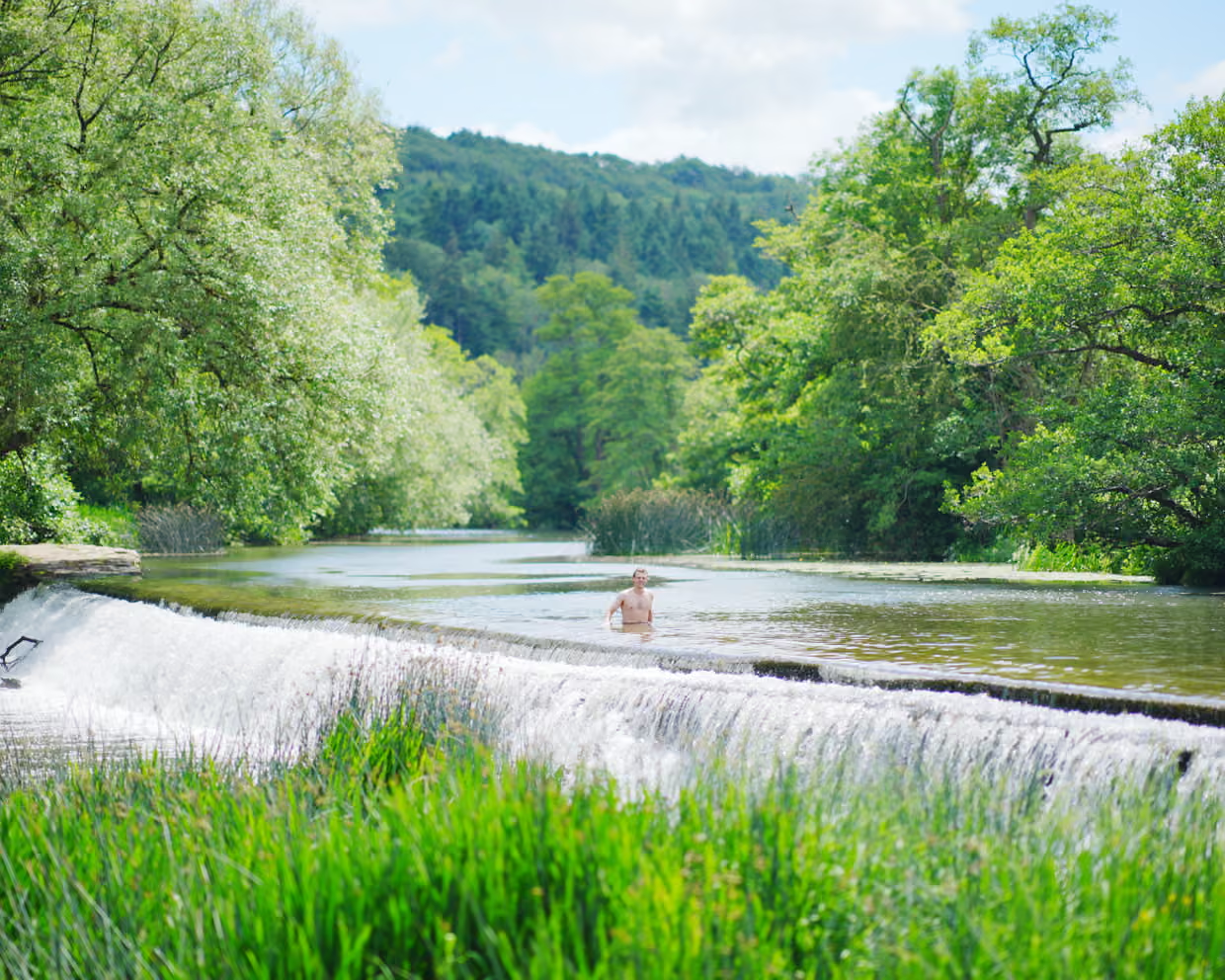
Earlier this month, Bristol’s River Avon became the latest river in Britain to be granted a charter of rights. The charter protects the river’s right to exist, thrive, to perform its natural functions and be free from pollution, and has been endorsed by nine local councils.
The charter isn’t legally binding but the idea behind it is striking. Instead of simply asking how we can better manage the river, the charter considers what the river itself needs.
More than 30 rivers in the UK are now pursuing charters of rights and they’re not alone: rivers from Colombia to Aotearoa New Zealand have been recognised through various forms of legal rights while Ecuador’s constitution recognises rights belonging to nature itself.
For those of us campaigning for animal rights, it’s difficult not to ask the question are we really extending rights to rivers before animals?
There is much to celebrate in the Rights of Nature movement.
At its most exciting, it challenges the deeply embedded belief that everything beyond our own species exists as a resource to exploit. Traditional environmental protections often remain fundamentally human-centric: we might protect a river because we need clean drinking water, because people enjoy swimming, or because pollution damages nearby property. The same goes for animals: we extend them legal protections because consumers expect certain standards or because high welfare labels mean higher price points.
These protections never address the underlying belief that animals and nature exist for us to use – only rights can challenge this assumption.
To say that a river has a right to thrive is to suggest that its continued existence and flourishing matter in their own right. The question moves from what value does the river provide us? to what does the river need? That profound change in perspective feels remarkably familiar to the animal rights movement where, for centuries, animals have been understood through their usefulness as food, clothing, research tools, entertainment, labour, companions, or property.
Why is nature getting there first?
The Rights of Nature movement is encouraging but there’s an important distinction. While animals are sentient, nature is not. A river does not experience captivity; a forest cannot anticipate her own death; a mountain doesn’t have desires, fears, or loved ones.
But animals do.
We know that British law already explicitly recognises animals as sentient and that the public care deeply about animals. So why are rivers getting there first?
One uncomfortable reason might be that while a river with enforceable rights could stand in the way of industrial development and extraction, hitting large corporations the hardest, animal rights means direct behaviour change. Recognising an animal’s right to thrive doesn’t only ask governments and industries to behave differently, it challenges behaviours that are deeply woven into everyday life, from the food on our plates to the entertainment we consume. While it’s possible to support the right of a river to flourish without fundamentally reconsidering your relationship with the sandwich you ate at lunch, recognising the rights of the chicken inside it is considerably more disruptive.
Read about our work to address this challenge.
What lessons can we learn?
A lesson we can take from the Rights of Nature movement, is that rights do not have to look the same for everyone who holds them.
This is important because one of the most persistent caricatures of animal rights is that recognising rights for other species means pretending they are human – but a chicken doesn’t need the right to vote any more than a river does. What matters is recognising that different beings have different interests, and that those interests place limits on what others are entitled to do to them.
A greyhound’s ability and desire to run doesn’t mean that humans are entitled to exploit and profit from her, just as a river’s ability to provide clean drinking water doesn’t entitle us to unregulated extraction and pollution. Taking rights seriously means considering what freedom looks like to the rights-holder, and that’s exactly what the Avon Bioregional Charter of River Rights (ABCRR) achieves by prioritising the river’s right to flow, evolve, and remain unpolluted.
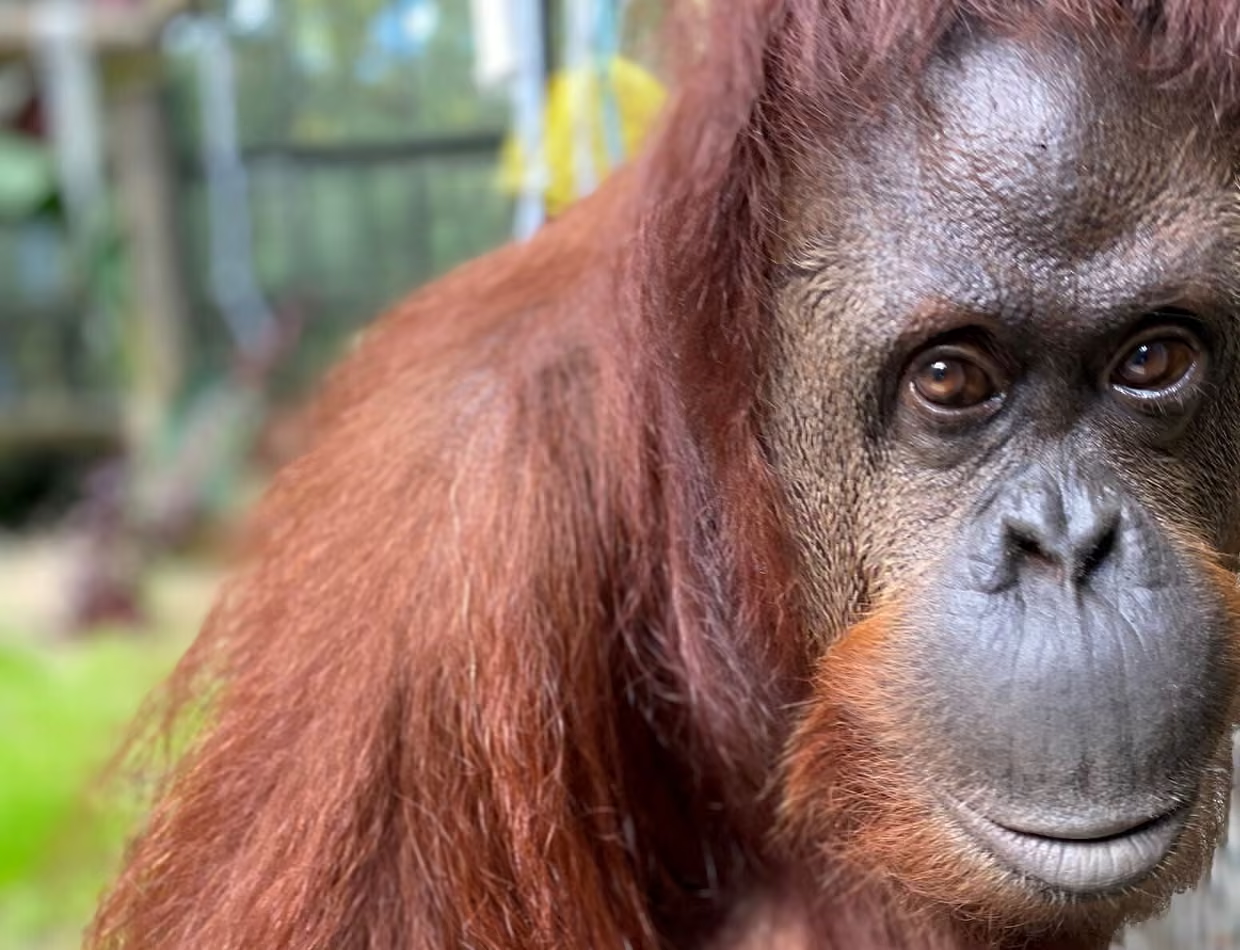
There are already glimpses of this thinking in law. A landmark ruling in 2015 declared Sandra, a 33 year old Orangutan, legal personhood. A year later Cecilia, a Chimpanzee, was declared a “non-human legal person” with “inherent rights” which led to her release from solitary confinement in a zoo enclosure and transfer to a sanctuary. In 2016, the Nonhuman Rights Project filed the first habeas corpus lawsuit on behalf of an animal, Happy, an elephant being confined in Bronx Zoo. These examples test the long-standing division between humans as rights-holders and animals as property. While they may still be exceptional, it wasn’t so long ago that a river possessing rights seemed exceptional too.
That’s why optimism is another lesson that animal advocates can take from the growing Rights of Nature movement. Rights for rivers asks society to make a profound conceptual shift: away from a world in which humans are the sole measure of value, towards one in which our power over the lives and environments around us rightfully has limits. Every time we recognise that someone doesn’t need to belong to us, resemble us, or be useful to us, in order to matter, our circle of compassion grows a little wider. It might start with rivers, forests, or mountains, but it’s only a matter of time before it encompasses animals too.
If we can recognise that a river should be allowed to flow and flourish for its own sake, then surely it’s time to extend that thinking to the individuals who swim beneath its surface, fly above it, and live along its banks – and to the billions of animals whose lives remain governed almost entirely by what humans want from them.
The most important lesson here is not that rivers are somehow leapfrogging animals in the queue for rights, it’s that the queue itself is beginning to break down. If we are ready to accept that truth for a river, why not an animal?