
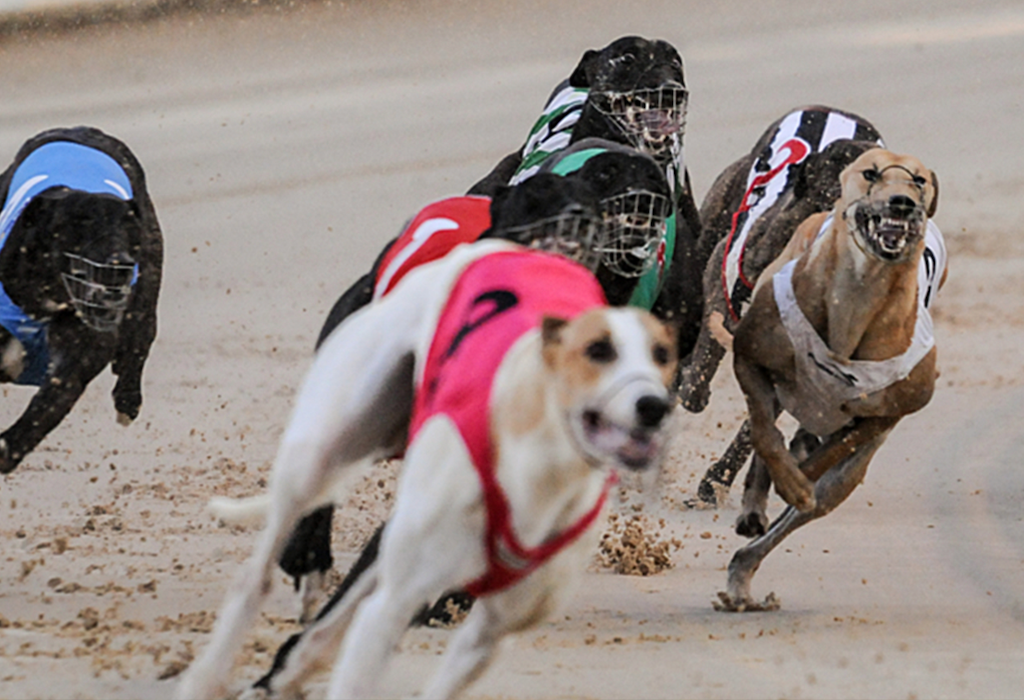
In a new study, researchers from the University of Melbourne used AI to analyse the records of over 31,000 greyhounds and more than a million race starts between 2022-2026.
The study found:
1. Increasing death rates
The rate of on-track deaths increased by 30% between 2022 and 2024 despite the number of race starts falling. Reporting methods used by the industry obscured this increase, creating the impression that dogs’ welfare was stable when, in reality, more dogs were dying relative to the number of races being run.
2. GBGB’s welfare strategy isn’t working
More than two greyhounds have continued to die on UK racetracks every week since the introduction of the industry’s welfare strategy in 2022. Whatever the GBGB is doing, isn’t working. Where greyhounds are bred, trained, and forced to race, injuries and deaths are inevitable.
3. Major gaps in transparency
Researchers noted that while on-track fatalities are reported, there is no publicly accessible system that tracks what happens to individual dogs after they sustain injuries or leave the industry. With around 40% of greyhounds leaving the industry every year, and its increasing reliance on Government funding to plug a gap in public support, we believe the public deserve to know what happens to these dogs. Visit our own Greyhound Watch, launched in May for exactly this reason.