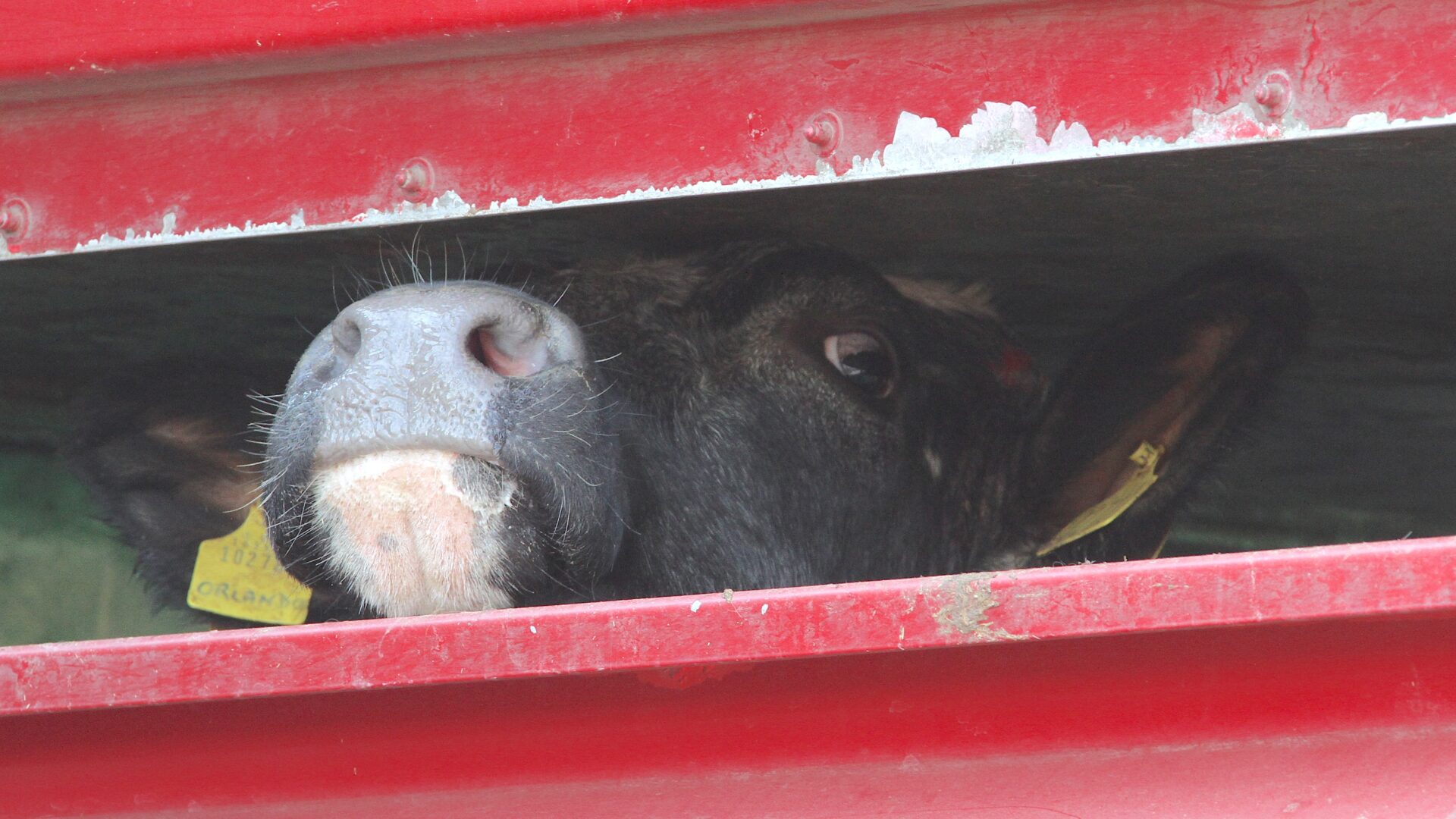
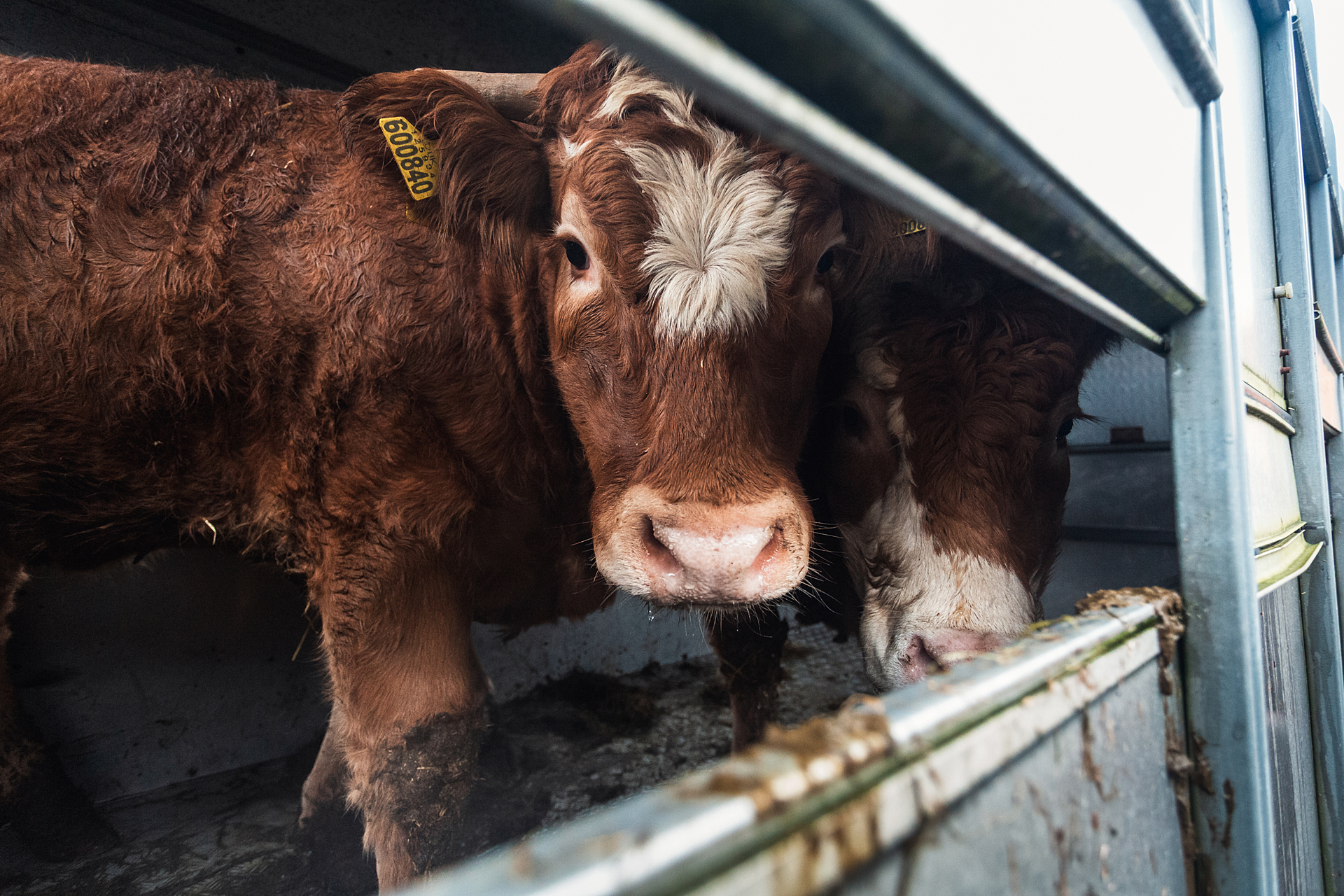
When we exposed the Food Standards Agency (FSA) audit records for ABP Guildford in late 2025, the data painted a terrifying picture of major animal welfare failures.
One year on, newly released data reveals an even more horrifying truth: the facility has actually gotten worse.
A direct comparison of the official FSA audits from June 2025 to June 2026 shows that over 12 months of official government oversight, 12 audit areas deteriorated resulting in an increased non-compliance severity, escalating to 8 Major and 19 Minor Non-Compliances.
ABP Guildford is a textbook case study demonstrating that regulation does not protect animals, it simply documents their abuse while keeping the assembly line moving.
Key areas of deterioration (2025 vs 2026)
The FSA audit questions that dropped into non-compliance or escalated to Major non-compliances over the last year include:
Personnel failed to demonstrate an appropriate level of competency, including Certificates of Competence.
Failure to follow restraining procedures to ensure the welfare of animals is protected.
Building structures failed to safeguard animals from adverse weather, lacking adequate ventilation or proper lairage conditions.
Non-compliances for the scheduled arrival / waiting times to safeguard animal welfare.
Non-compliances relating to CCTV cameras that failed to provide a complete and clear image of all areas where live animals are present (including killing and related operations) and being incapable of producing images of good quality for inspection.
Plus, they still continue to flag major compliances for:
Animals exposed to avoidable pain, distress or suffering during the killing process
Improper handling and movement of animals, including risks from misuse of instruments
Tom Woollard / We Animals
Deconstructing the industry myths
These audits routinely disprove the key excuses used by the meat industry to justify animal slaughter:
The industry routinely claims that animals are handled by skilled, certified professionals. Yet over the past year, ABP Guildford saw staff competency collapse into Major Non-Compliances. When workers are tasked with killing hundreds of terrified individuals an hour, “competence” is discarded in favour of speed.
CCTV cameras in slaughterhouses are heavily marketed to the public as a guarantee of transparency. Yet the audit shows the CCTV at ABP Guildford failed basic quality standards for inspection. CCTV doesn’t stop violence, it merely watches it happen, assuming the cameras even work.
From waiting times in transport lorries to the physical restraint devices holding animals before their throats are cut, the audit shows systematic failures at every step. Restraining a sentient, terrified animal who is fighting for their life is inherently violent.
Slaughterhouses are built specifically to carry out violence on a mass scale. No amount of regulation can change the fact that killing thousands of terrified individuals every single day is an inherently brutal and unnecessary process.
Alex Harman, Campaign Manager
Regulation cannot clean up industrialised killing
Animals are not units of production, and they do not want a “better” slaughter process. They want to live.
ABP Guildford is just one facility, but it reflects a national system where over 99% of UK slaughterhouses fail compliance checks. Audits mean nothing to the animals trapped inside. The only ethical answer to this structural horror is the total abolition of animal agriculture and an immediate transition to a plant-based food system.
Whistleblow for animals
If you have witnessed animal cruelty or suspect that there is illegal activity happening in a specific location please use our contact form to get in touch. All information will be treated with strict confidence.