Race to the bottom: Challenging the language of horse racing

Horse racing has been cleverly marketed as the ā€˜sport of kings’ buoyed by a PR machine that works overtime to mislead and distract the public.

When we talk about horses, the words we choose matter.Ā 

When picturing a horse, many peopleĀ immediatelyĀ think of a ā€˜racehorse’ –Ā that’s how pervasive theĀ racing industry’s narrative has been.Ā 

But ā€˜racehorse’ is not an identity. They are individuals, mothers, friends,Ā someone.Ā Ā 

Our Year of the Horse campaign is reconnecting the British public with horses

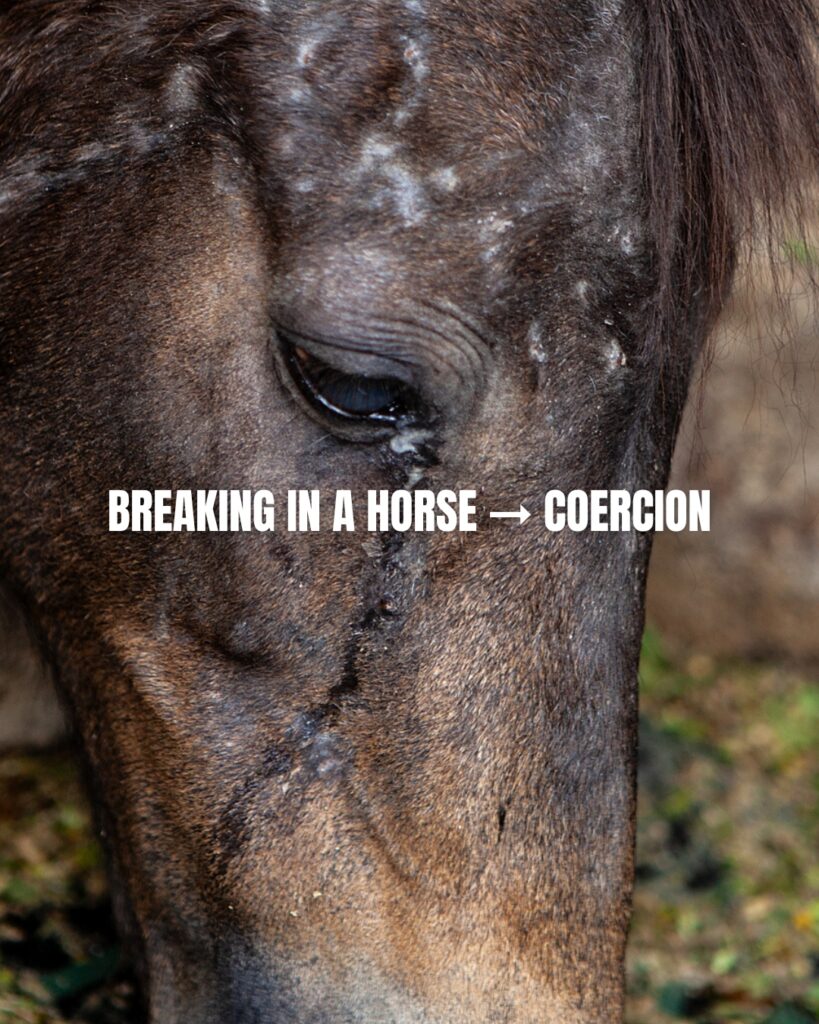
With huge marketing budgets and ā€˜tradition’ on their side, the racing industry presents itself as one of prestige, care, and mutual partnership between horse and human. Terms like ā€œwell cared forā€ and ā€œathleteā€ are repeated until they become unquestionable, reinforcing the idea that horses are willing participants rather than individuals coerced and controlled.Ā Ā 

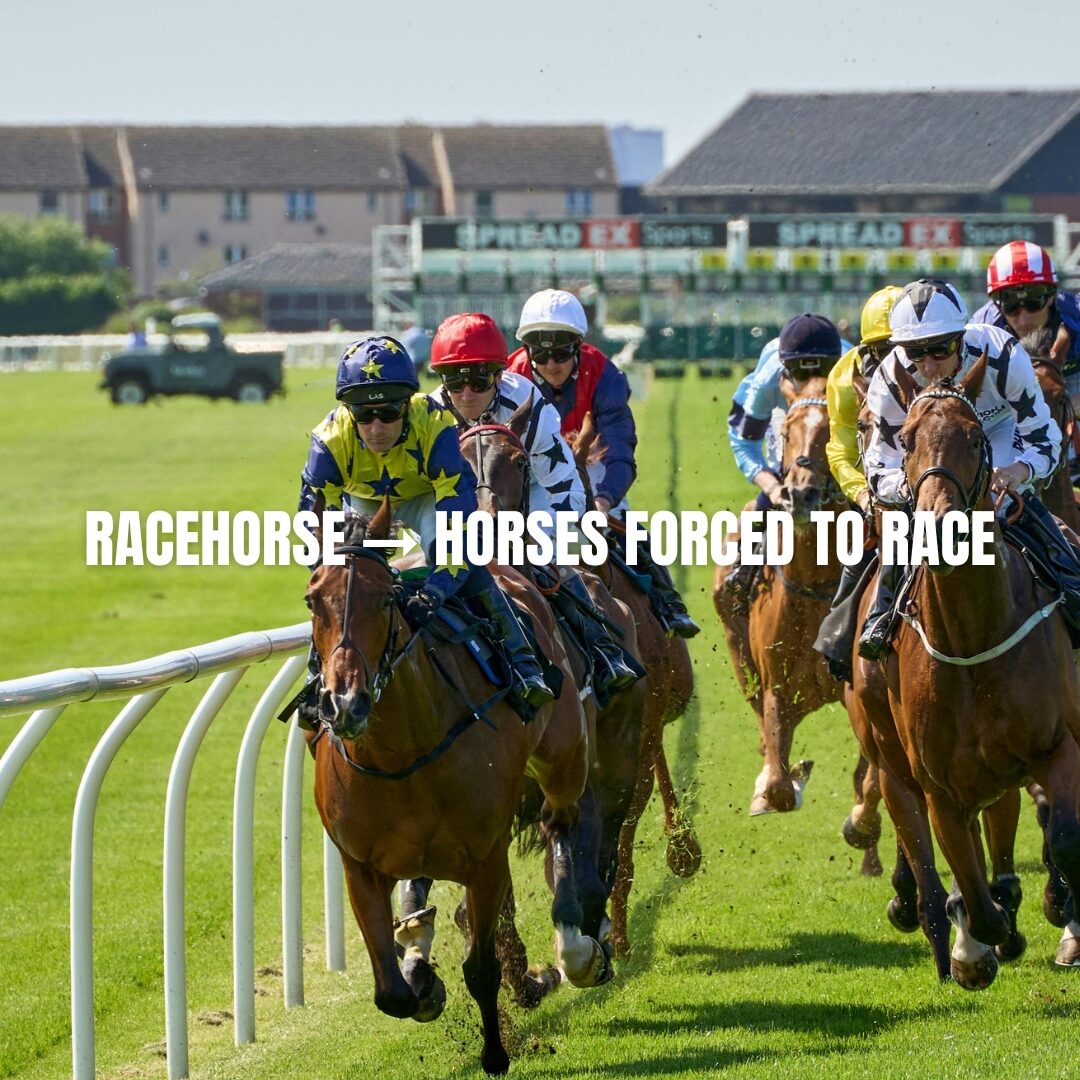
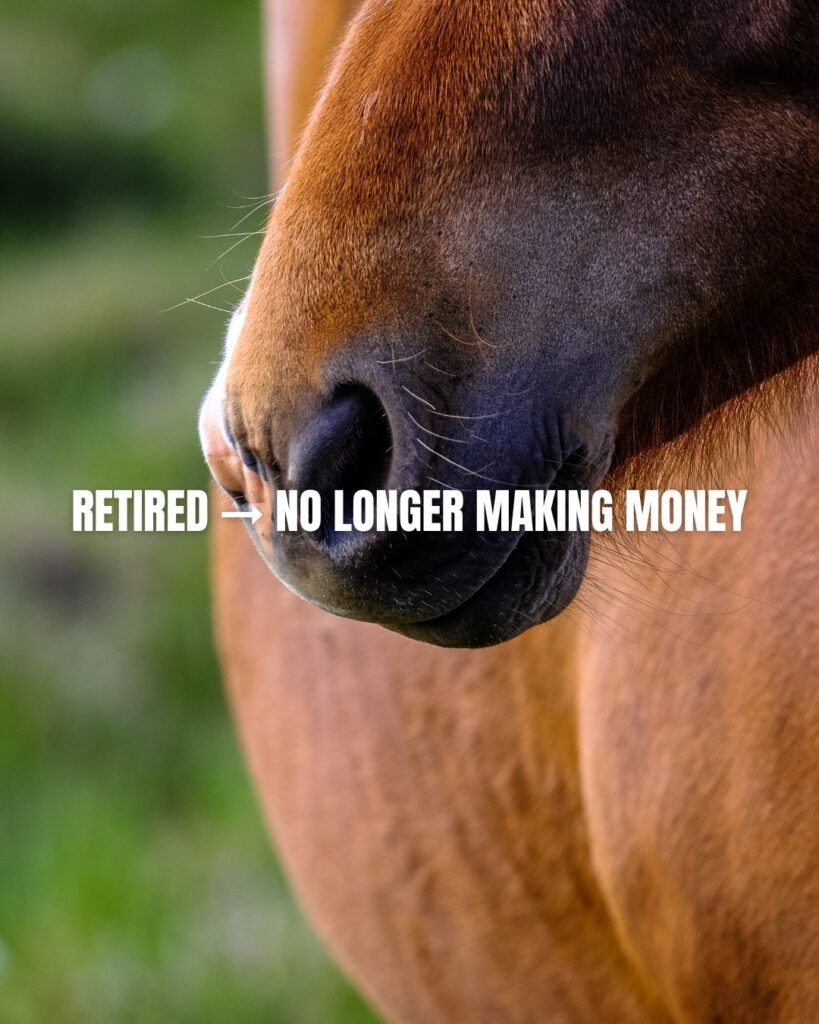
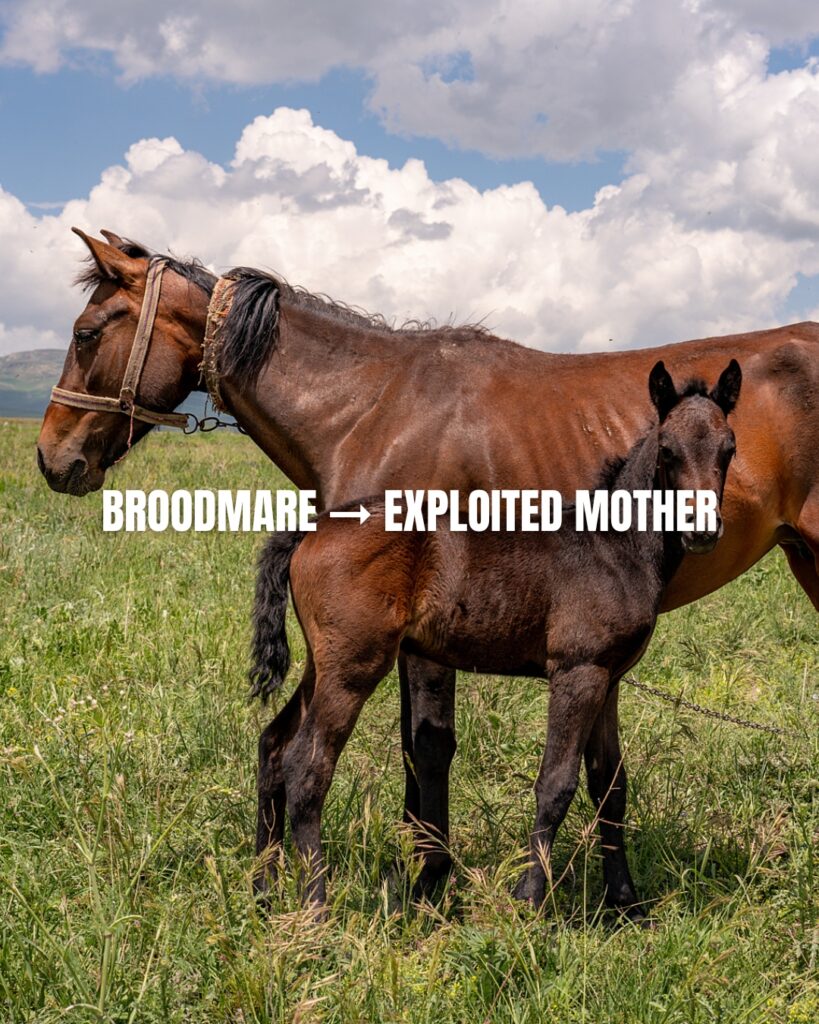
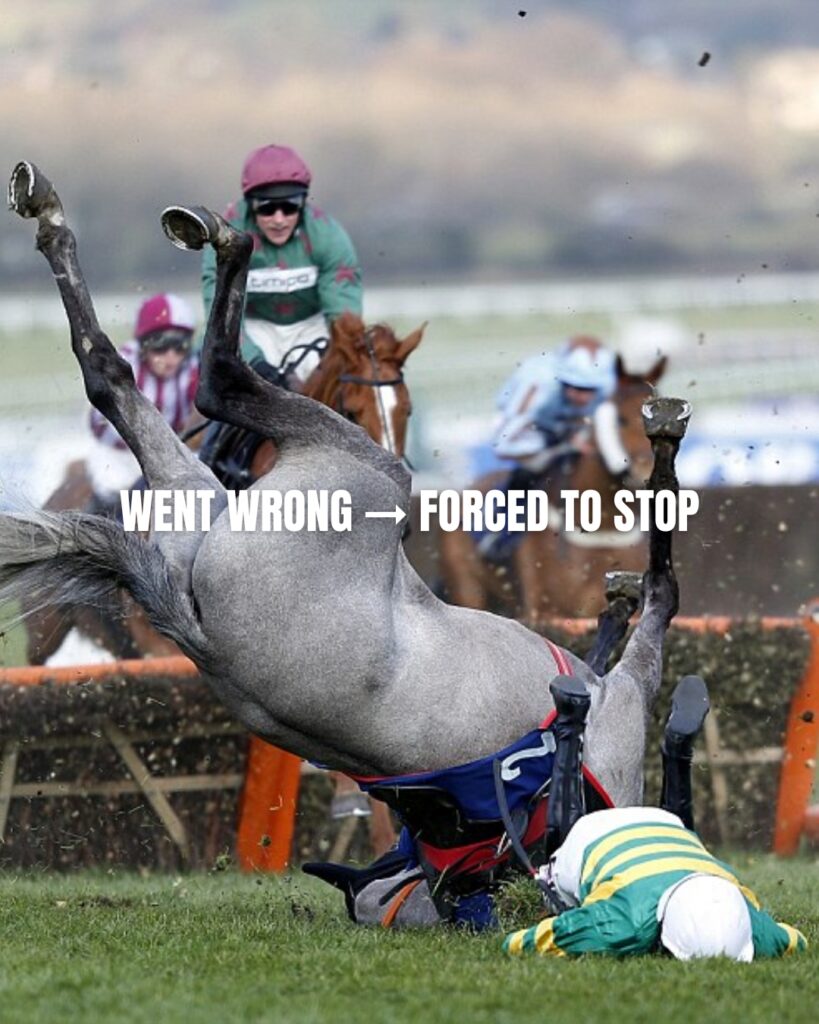
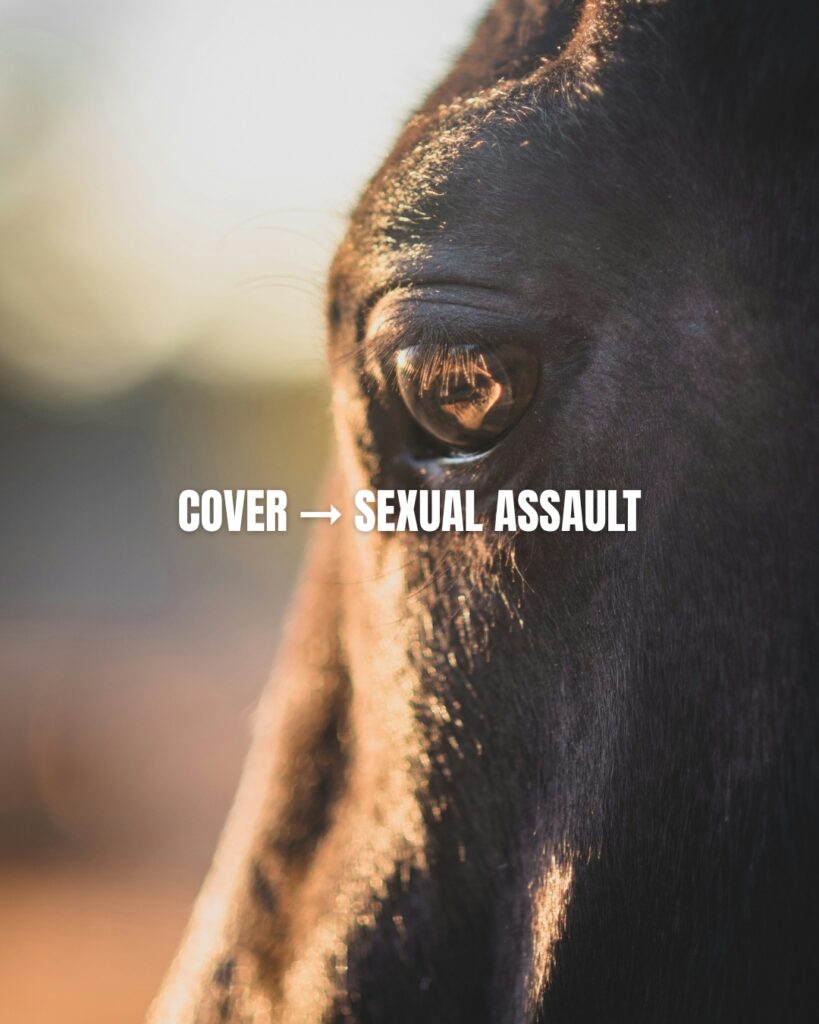
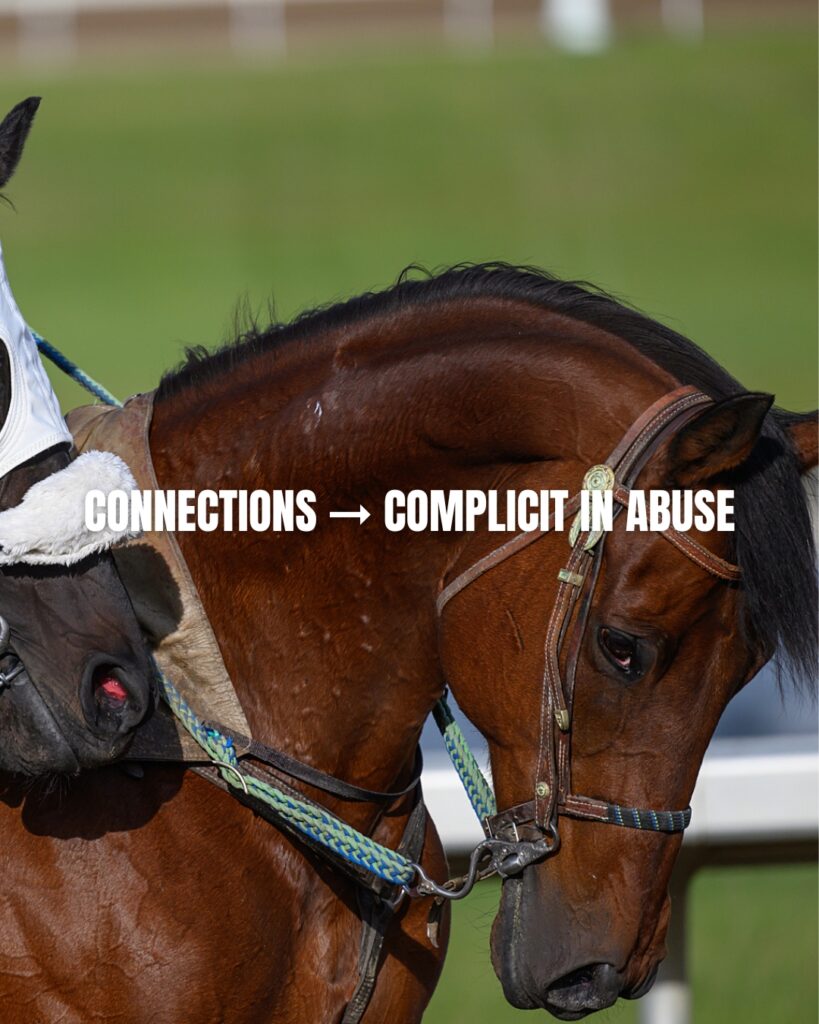
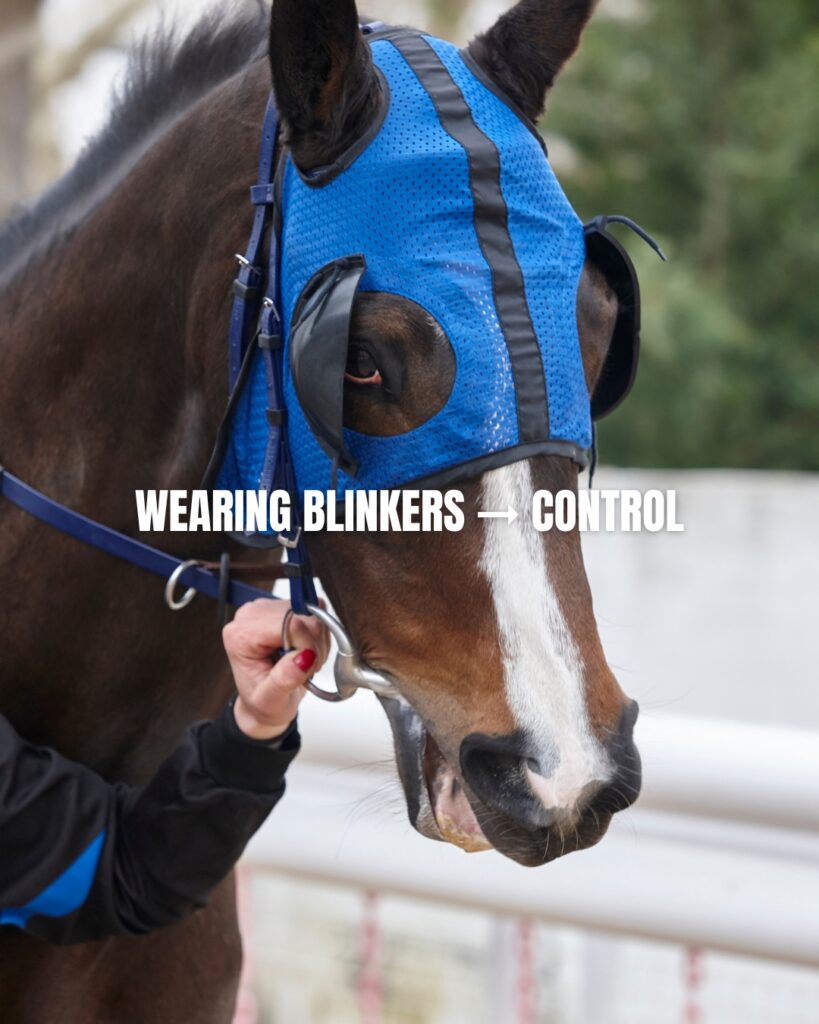
The industry hides behind euphemisms, but weĀ won’tĀ let them:Ā 

In the examples pictured above, see how the animal disappears? A mother becomes a “broodmare”, her stolen child is called a “weanling”.

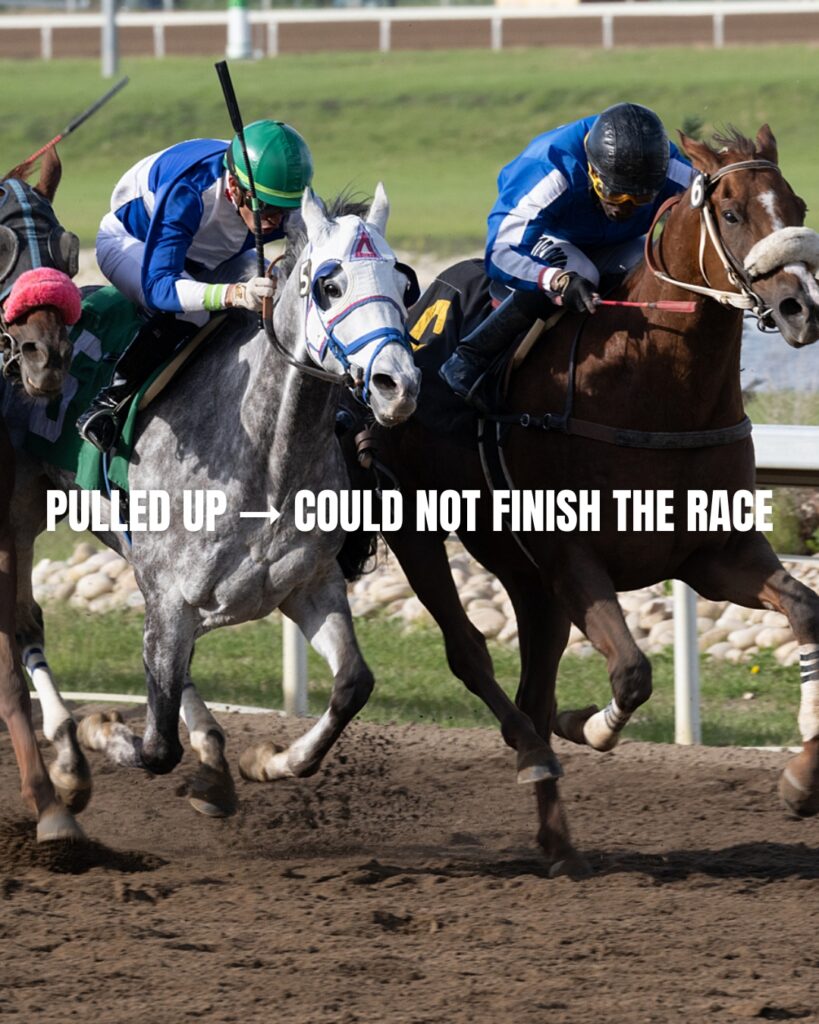
During races, commentators use euphemisms like “encouraged” instead of whipped, and “pulled up” to hide the fact that a horse could not finish a race, rarely explaining why.

Beyond words, imageryĀ is equally deceptive:Ā green pastures, attentive grooms, and celebrated winnersĀ createĀ a comforting story. By centring heritage, glamour, and tradition, the industry deliberately distracts you from the injuries, stress, and disposal of these beautiful animals.Ā 

But forcing animals to race is not something to be admired. It should be scrutinised for the abuse it is – and then dismantled.Ā 

Can you spare five minutes?

Animal freedom begins with small but powerful actions. From petitions to pledges, help make a difference with these quick actions for animals.