International War Animals Day (Feb 24) is an opportunity to reflect on a part of military history that is too often minimised, sentimentalised, or simply ignored: the use of animals in human conflict.
While memorials often speak of loyalty and bravery, they rarely tell the whole story: that animals have been conscripted into wars they did not start, for causes they could not understand, and in circumstances they could not refuse.
Remembering the animals of war
For centuries, animals have been treated as tools of warfare.
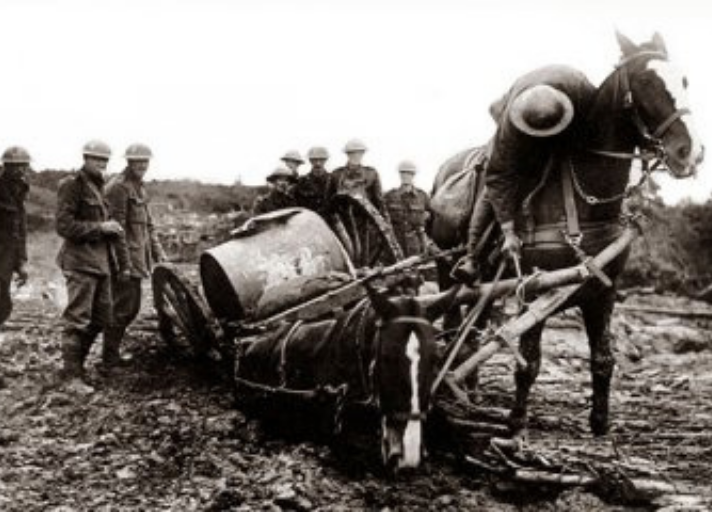
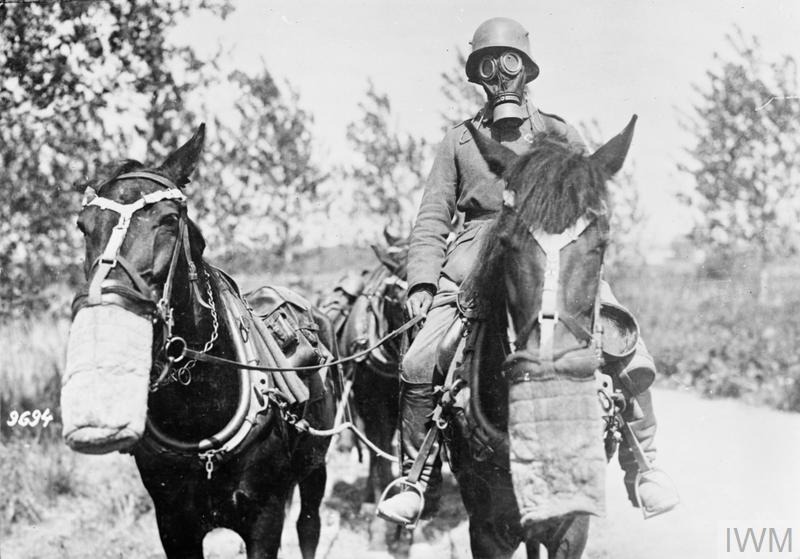
- Horses and donkeys carried soldiers, weapons, and supplies across battlefields, frequently collapsing from exhaustion and disease or dying in shellfire. Around 8 million horses died in WWI alone.
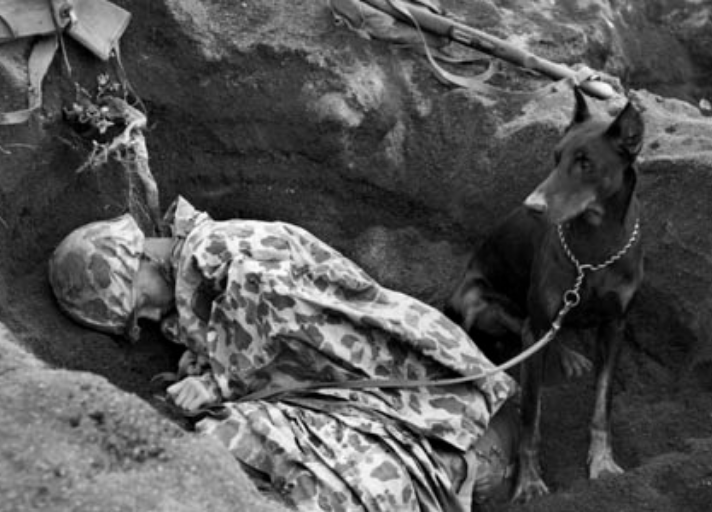
- Dogs have been used to track people, carry messages, detect explosives, and even to intimidate or attack. In WWII, dogs were even trained to run under enemy tanks with explosive strapped to their backs.
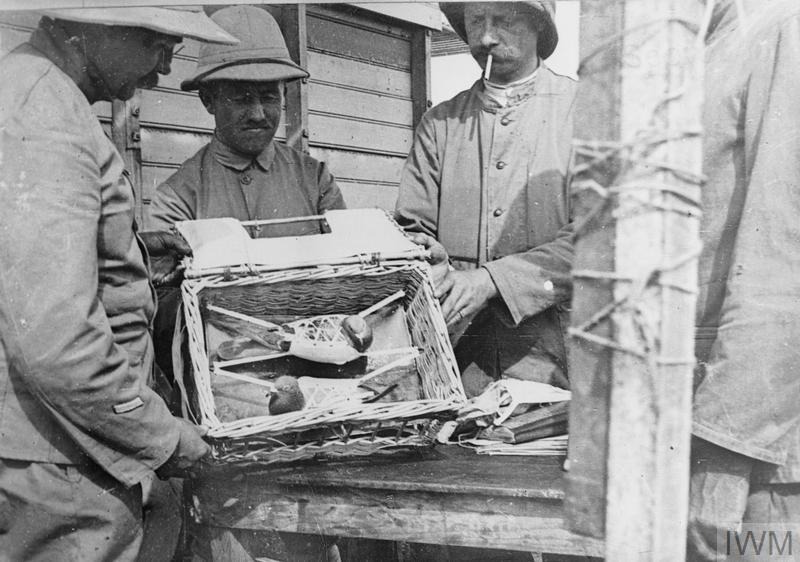
- Close to 1 million pigeons have been deployed to deliver conflict communications. Our gratitude has been to reduce them to the status of ‘pests’ in modern towns and cities.
Even as warfare has modernised, animals have not been spared: they can still be found in combat zones and are used in experiments to develop nerve agents, chemical or biological weapons, and even simulated blasts. There are currently more than 500 dogs in the UK’s Ministry of Defence “canine catalogue” while the U.S. has used more than 30,000 dogs since 1942. Navies around the world even rely on the sonar capabilities of dolphins and sea lions to detect underwater threats.
While methods may change over time, the underlying logic that animals are tools, equipment, collateral damage, remains the same – and is even set to grow, with demand for “military animals” projected to increase by 7.8% by 2020.