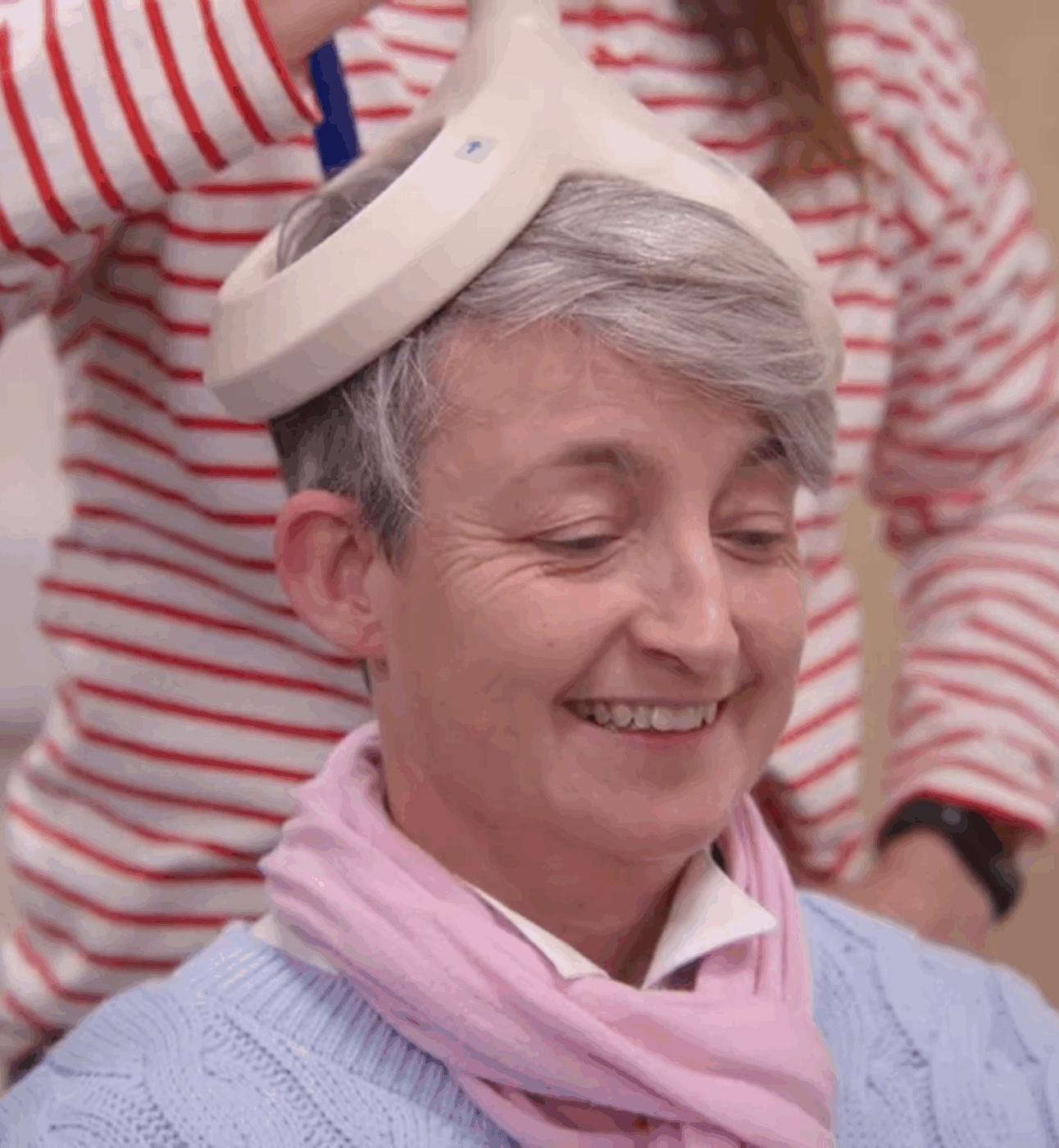
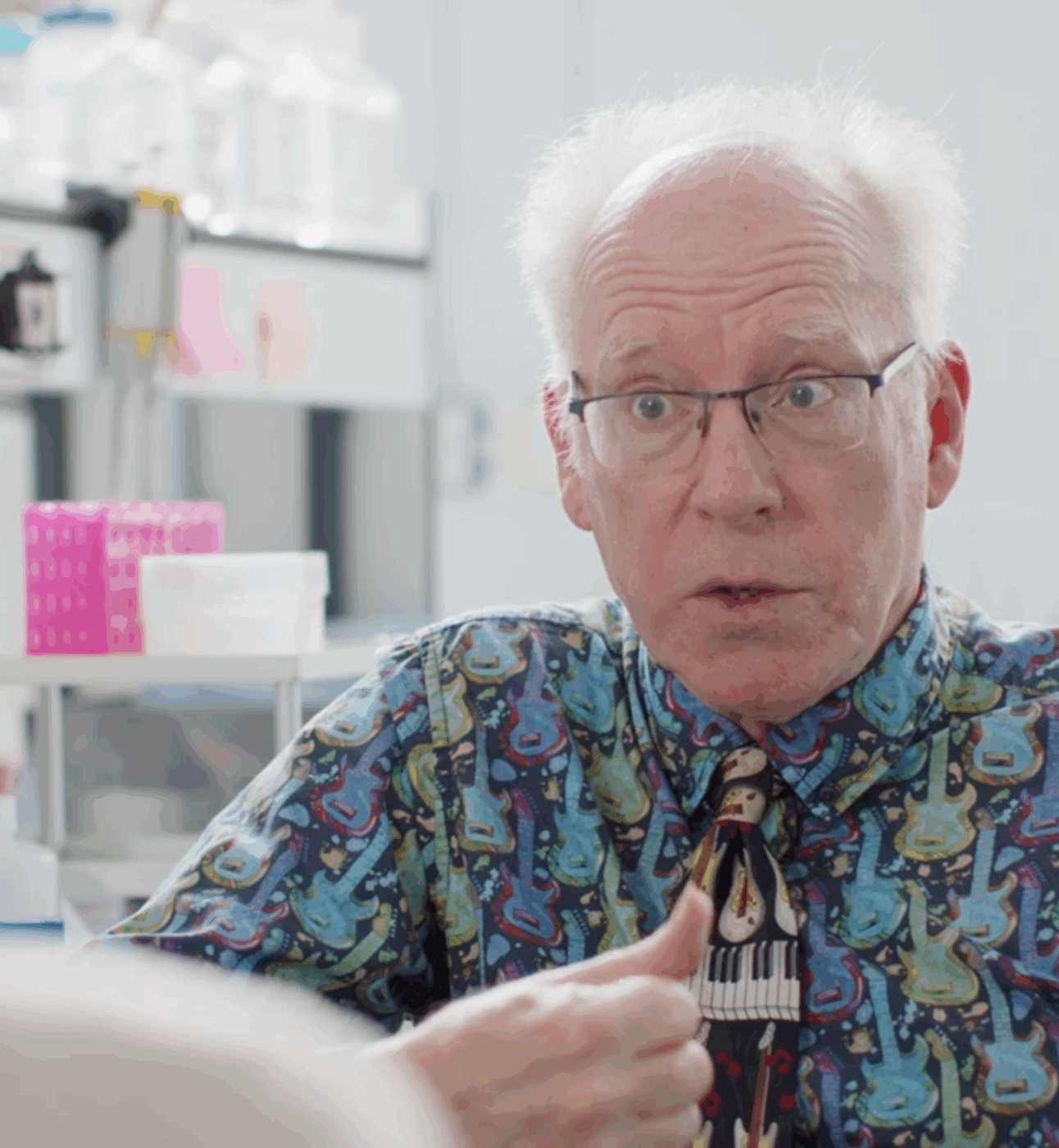
This screencast of a PowerPoint talk on animal rights includes two Animal Aid education films Their Future in Your Hands and Veganism with Carl and Rupert.
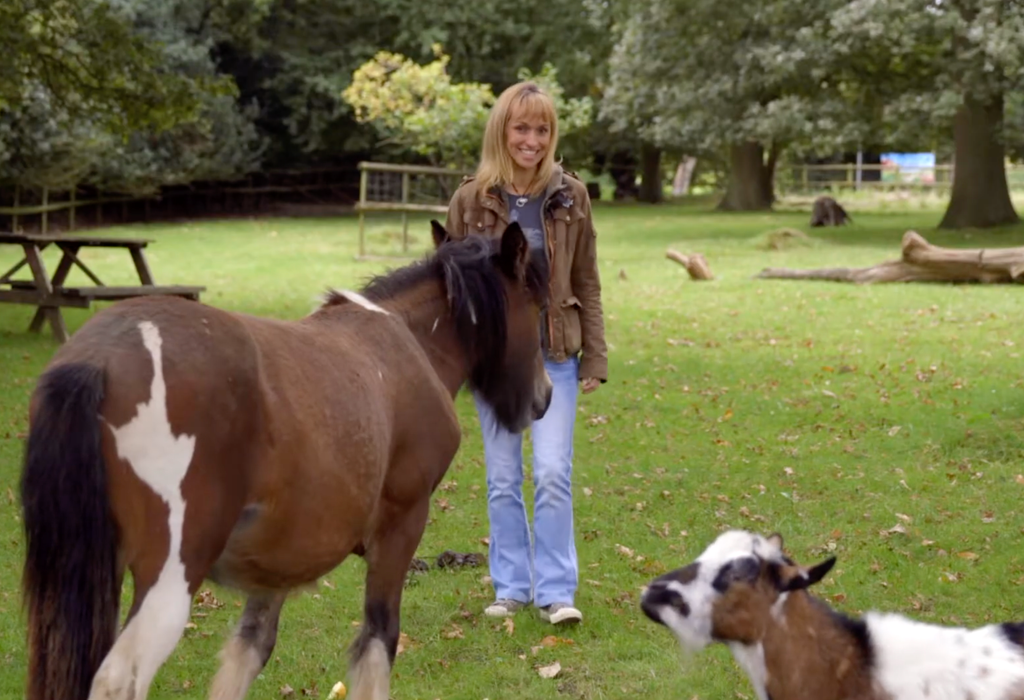
Curriculum-linked film presented by BBC TV’s Michaela Strachan in three short sections.
Download the AnimalKind film (1.5GB)
This screencast of a PowerPoint talk on animal rights includes two Animal Aid education films Their Future in Your Hands and Veganism with Carl and Rupert.
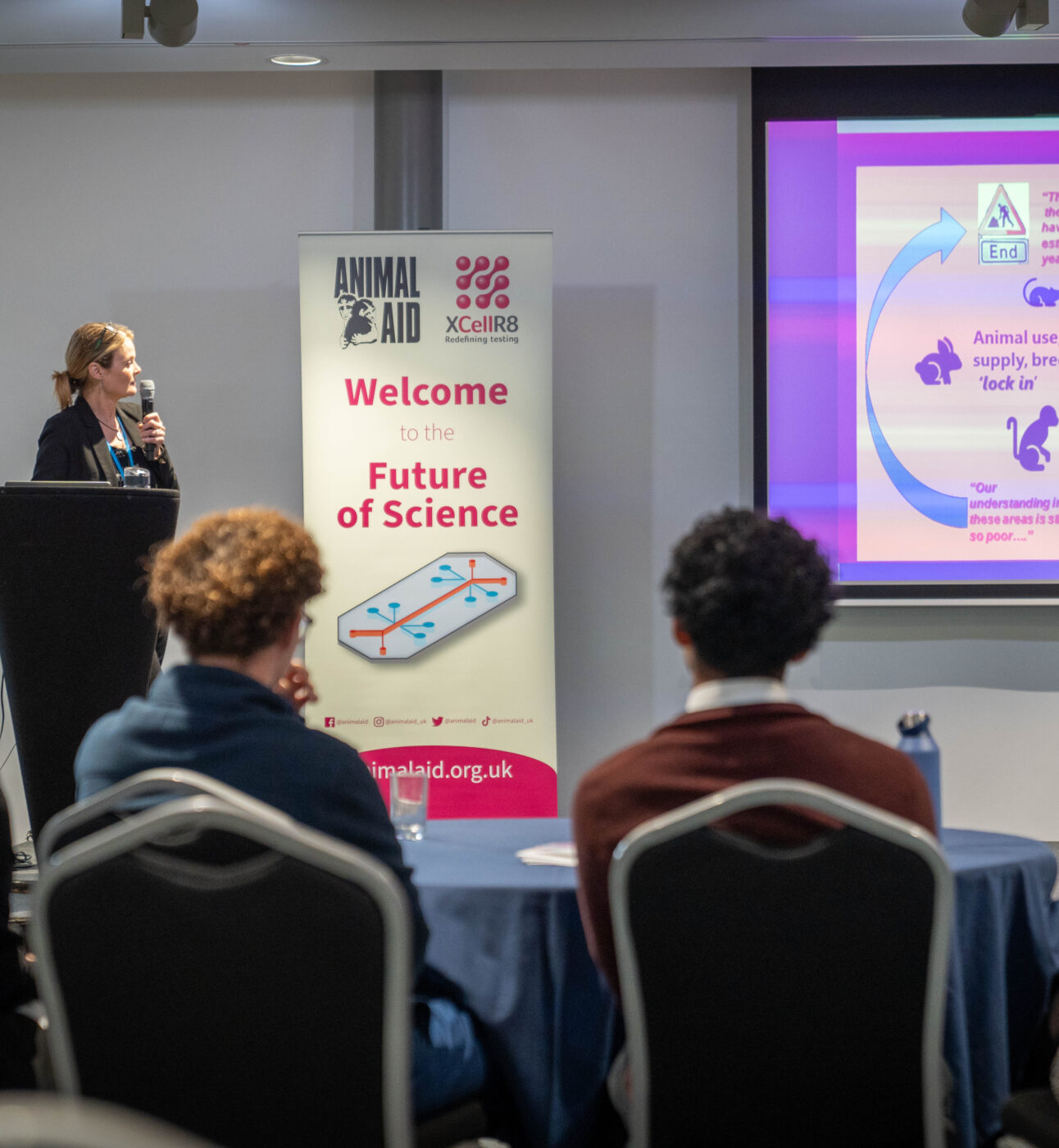
An Inquiry into Animal Experiments
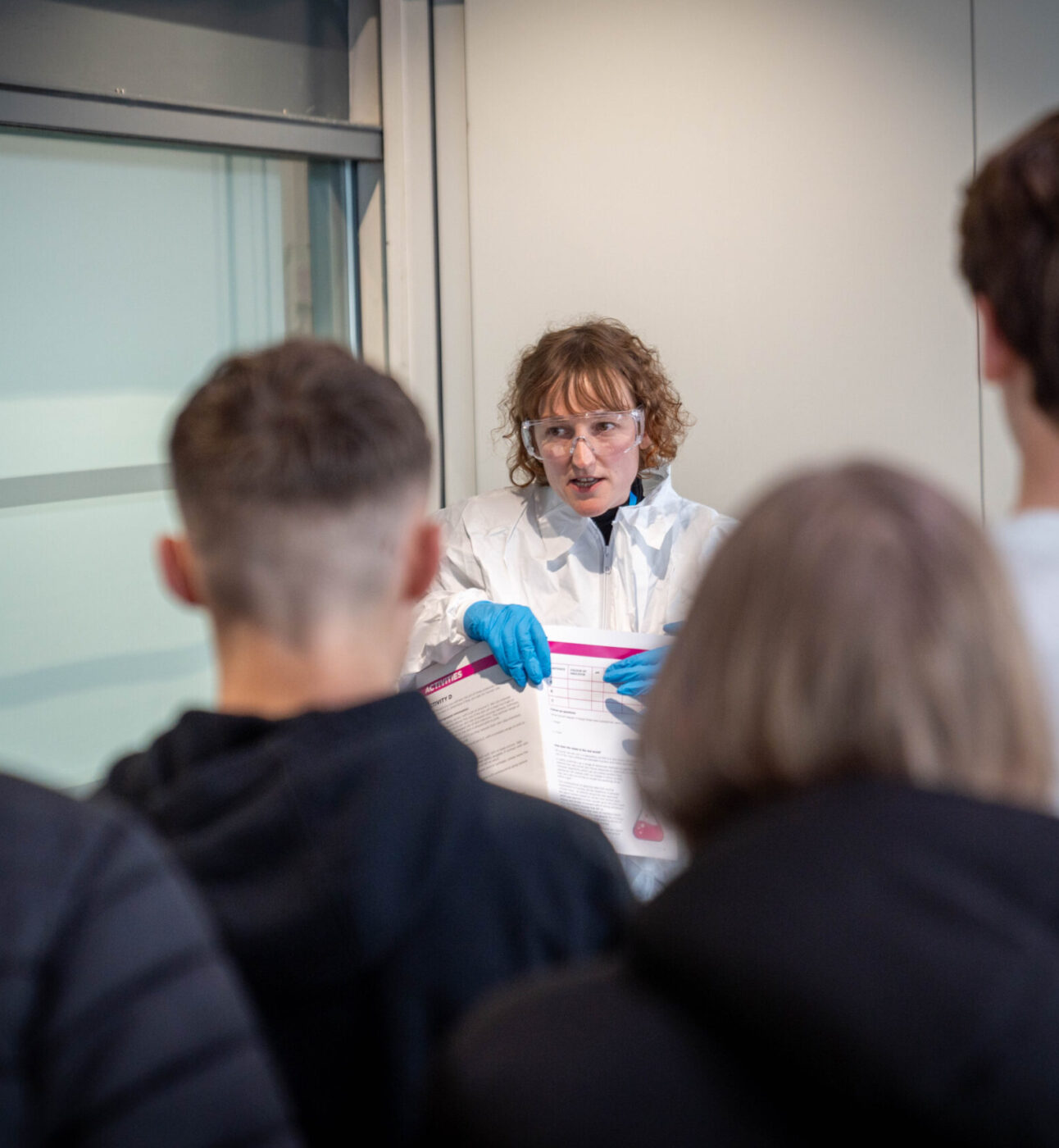
Stem Cells in Medicine

Investigating the Brain
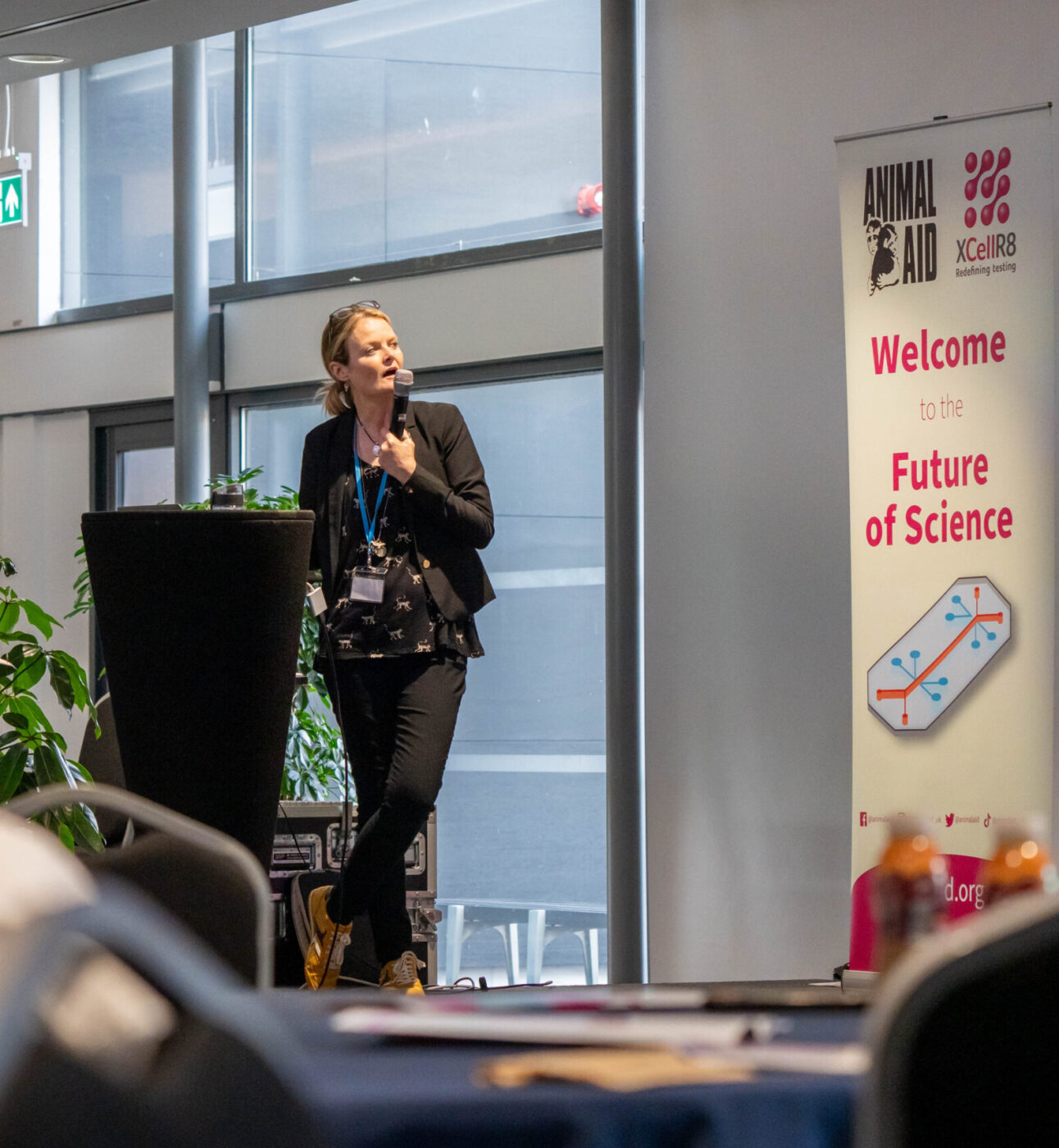
Evaluating the Drug Development Process.
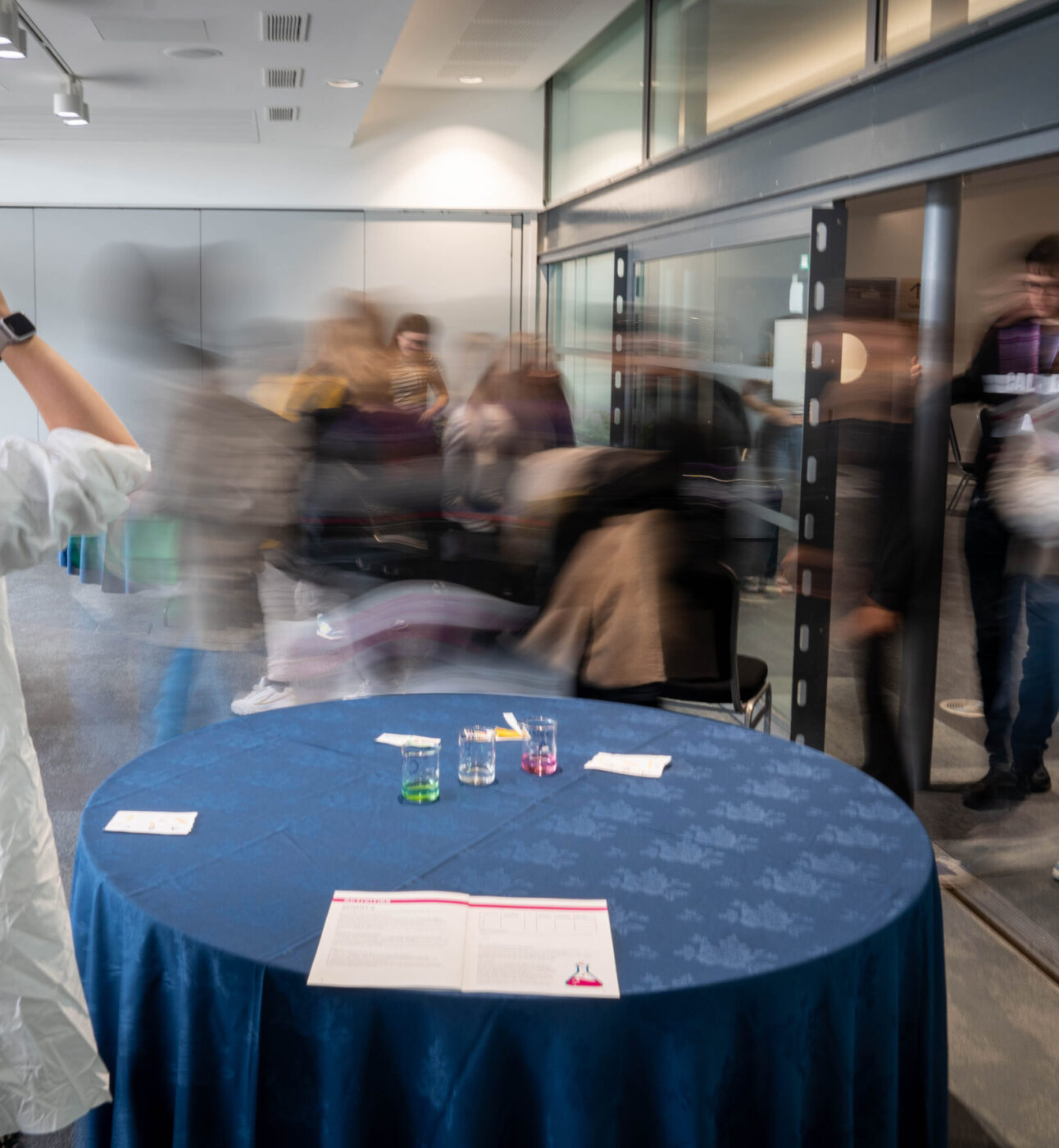
Safety testing using pH
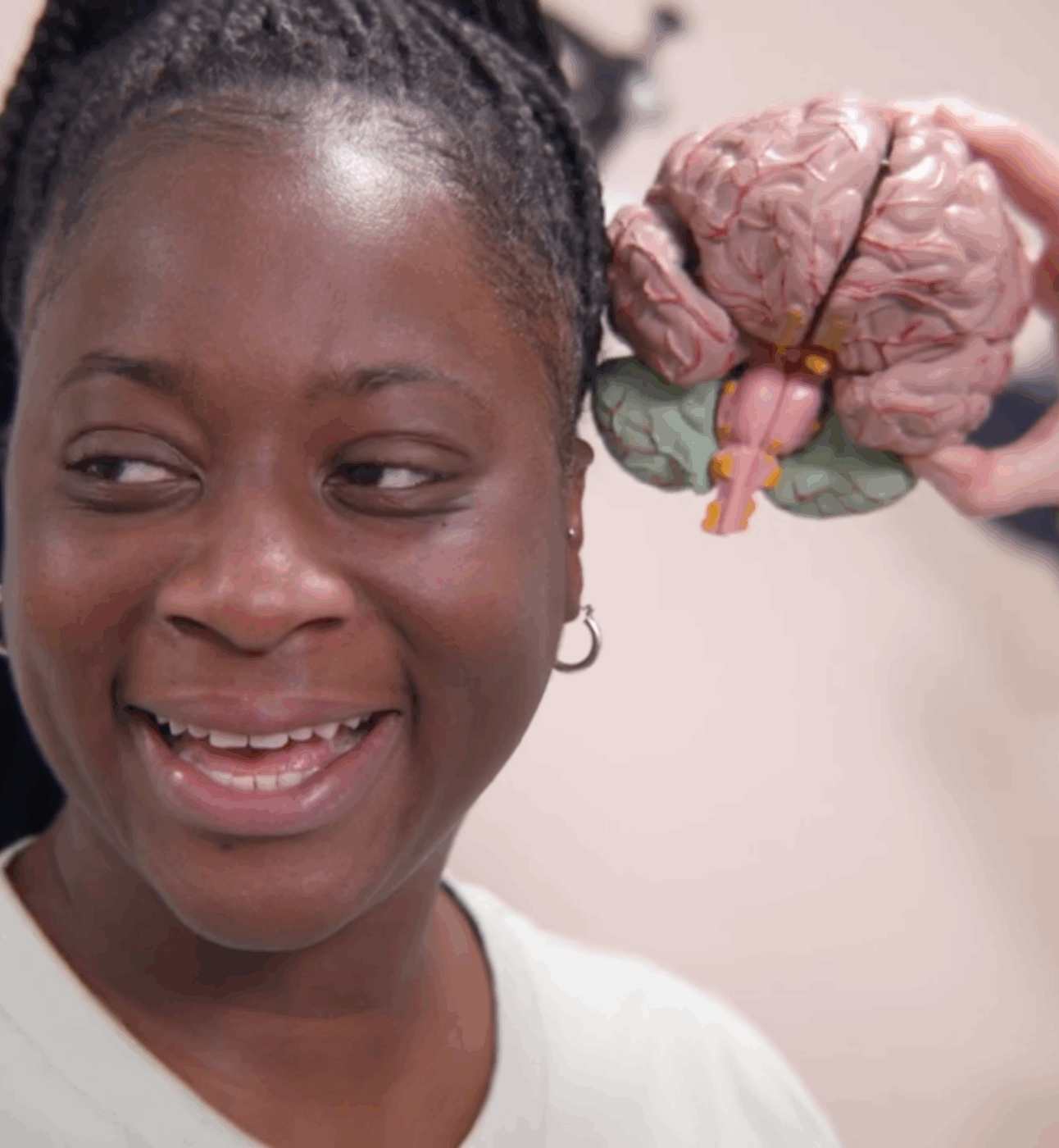
Immerse your students in the innovative world of animal-free research and discover The Future of Science!
This film is one of a series looking at animal-free research methods.
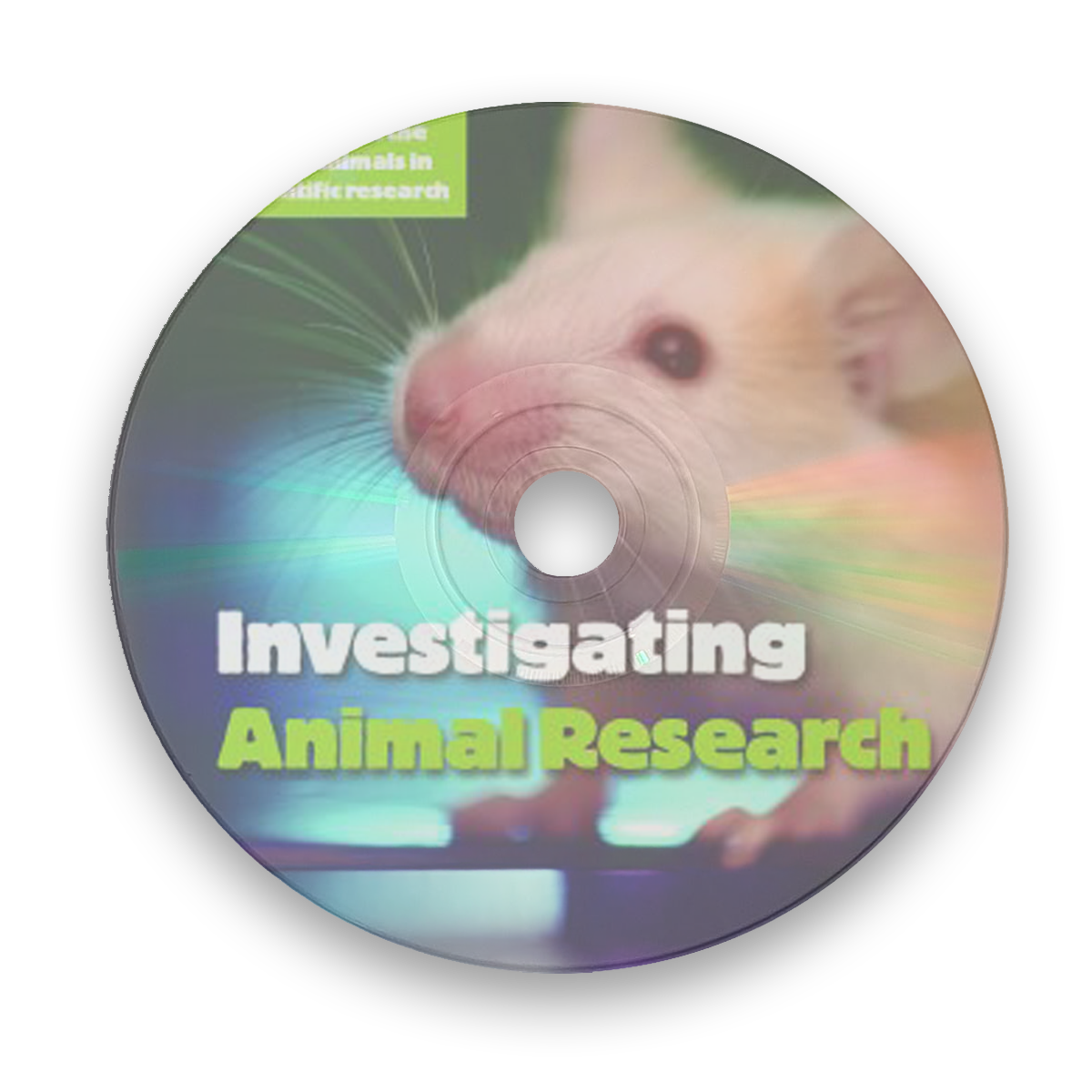
A short introduction to investigate animal use in scientific research
Companion resources to the Wasted Lives film (forerunner to Investigating Animal Research)
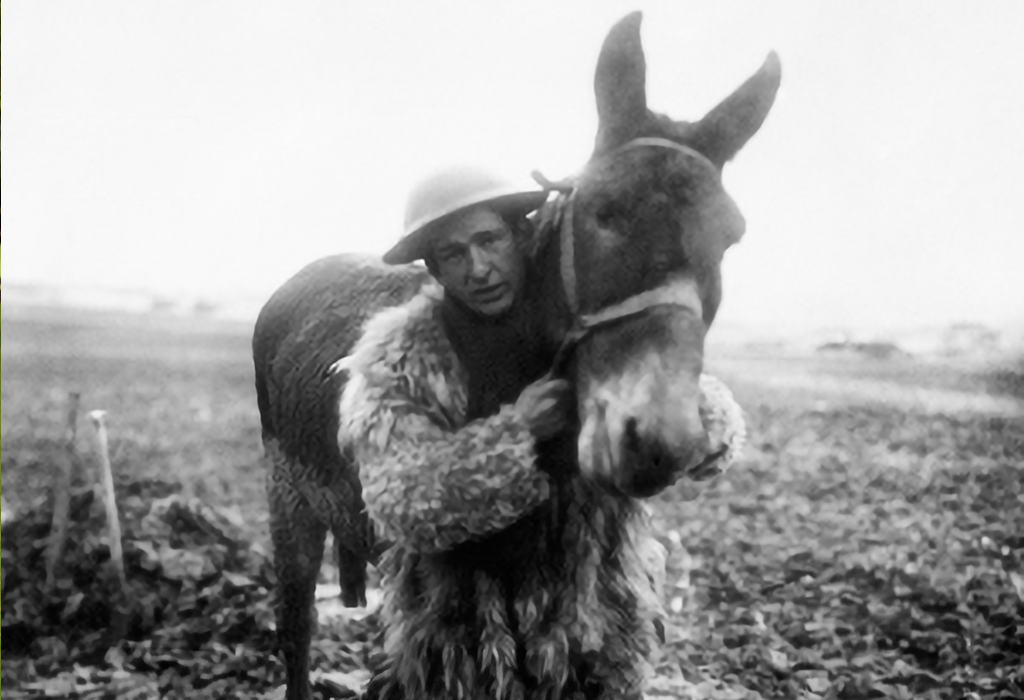
The recent Centenary of the First World War provides an ideal opportunity to look at the role of animals during that time.
These personal accounts accompany The Animals’ War lesson plans for History KS3.
The recent Centenary of the First World War presents an ideal opportunity to look at the role of animals during that time.
These historical documents accompany The Animals’ War lesson plans for History KS3.
These KS3 lessons make use of a wide range of sources such as photographs, letters, historical documents and personal accounts.
Many millions of animals, including horses, mules, donkeys, camels, dogs, pigeons and canaries were used by the armed forces in the war.

KS3 resource, primarily aimed at Year 9. Animal Writes English student activity.

What do you think about animals? student activity sheet. Ideal for stimulating balanced debate about animal issues. Activity duration 15 – 20 minutes.

Animal rights true or false quiz.

Animal rights crossword puzzles.
Animal rights quiz.
Learning to identify common animals and appreciate the diversity of life on Earth
To identify the parts of the body of both animals and humans that are associated with the senses.
Learning about the needs of companion animals such as cats and dogs, and our responsibilities to animals in our care.
To learn about the needs of companion animals such as cats and dogs. To appreciate that we have responsibilities towards animals who are in our care such as companion animals.
Considering how we feel about some types of animals and whether we should regard them in a more positive light; appreciating aspects of homelessness and discrimination.
To learn about the needs of companion animals such as cats and dogs. To appreciate that we have responsibilities towards animals who are in our care such as companion animals. A lesson plan for year 1 Citizenship & PSHE and English.
To find out about and describe the basic needs of animals.
Learning to identify common animals and appreciate the diversity of life on Earth
To consider how to meet the needs of animals in their care.
To understand that the local environment (school grounds) affords a variety of habitats that meet the basic needs of a range of animals and plants, which depend on each other in an interconnected way called an ecosystem.
To design a survey to gather statistical information to answer a question concerning the source of pet animals and use data gathered to further insight and understanding.
To think about the experiences of animals in zoos.
To understand the various ways in which we could help animals we see around us.
To consider the needs of wild animals in captivity
To consider what makes a good home for a companion animal. To learn about the role of animal rescue centres.
To develop an awareness of what makes a balanced meal. To understand that foods contain different nutrients in varying amounts.
To write a persuasive piece of writing to say why a dog should be saved
To consider what it was like to experience life in the trenches during WWI. To reflect on whether it is right for animals to be used in war.
To find out about and describe the basic needs of animals. To appreciate that we have responsibilities towards the animals in our care.
Learning will include comparing the characteristics of people and other animals
Learning to interpret a range of historical sources concerning the role of animals in WWI.
To consider what makes a good home for an animal and encourage responsible pet keeping
Learning about how animals and plants in different habitats are adapted to their environment.
Curriculum-linked resource for primary students, that teaches respect and compassion for all creatures.
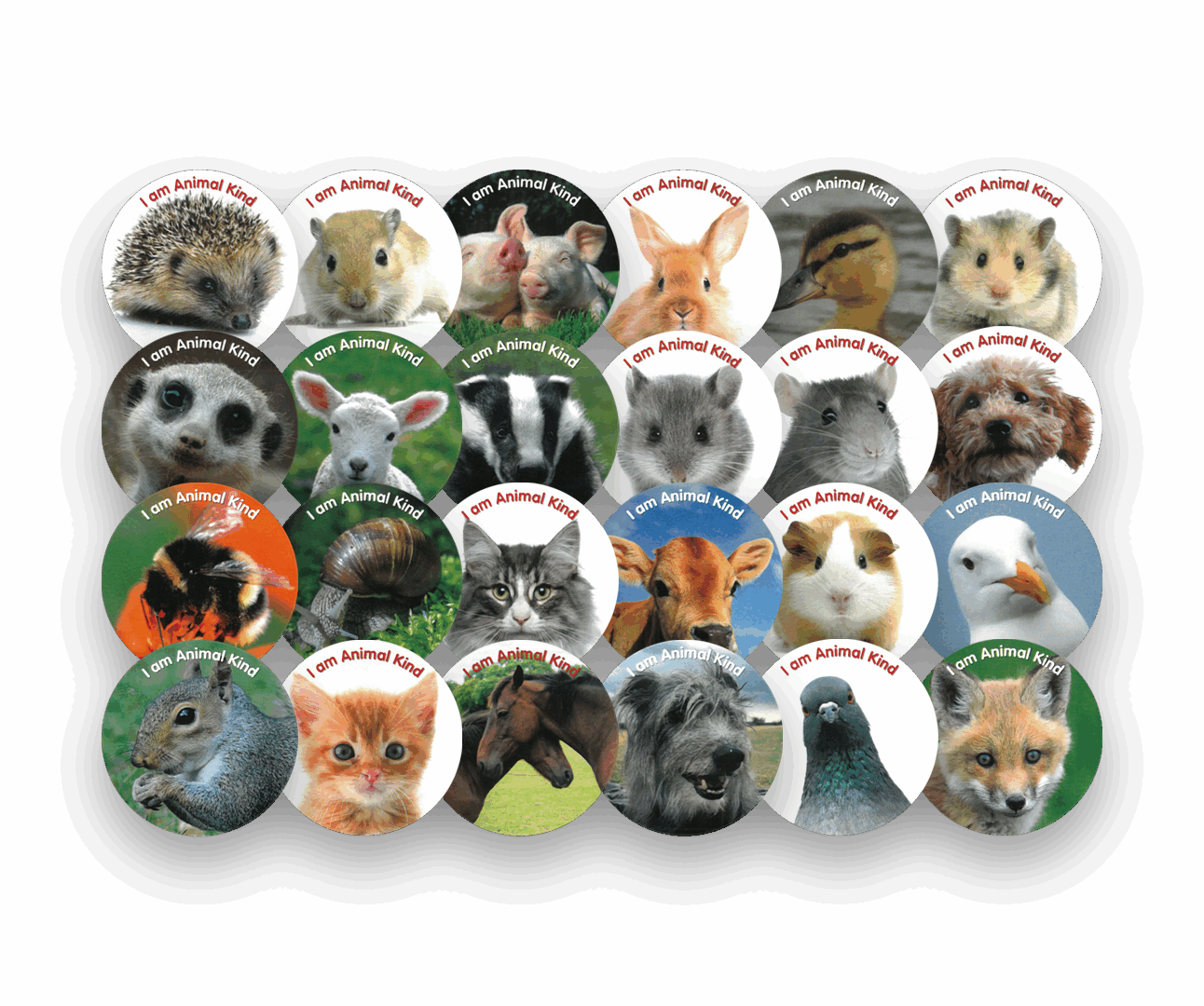
Sheet of 24 circular stickers depicting wild and domestic animals. Use to add to letters, envelopes, bags, folders etc.
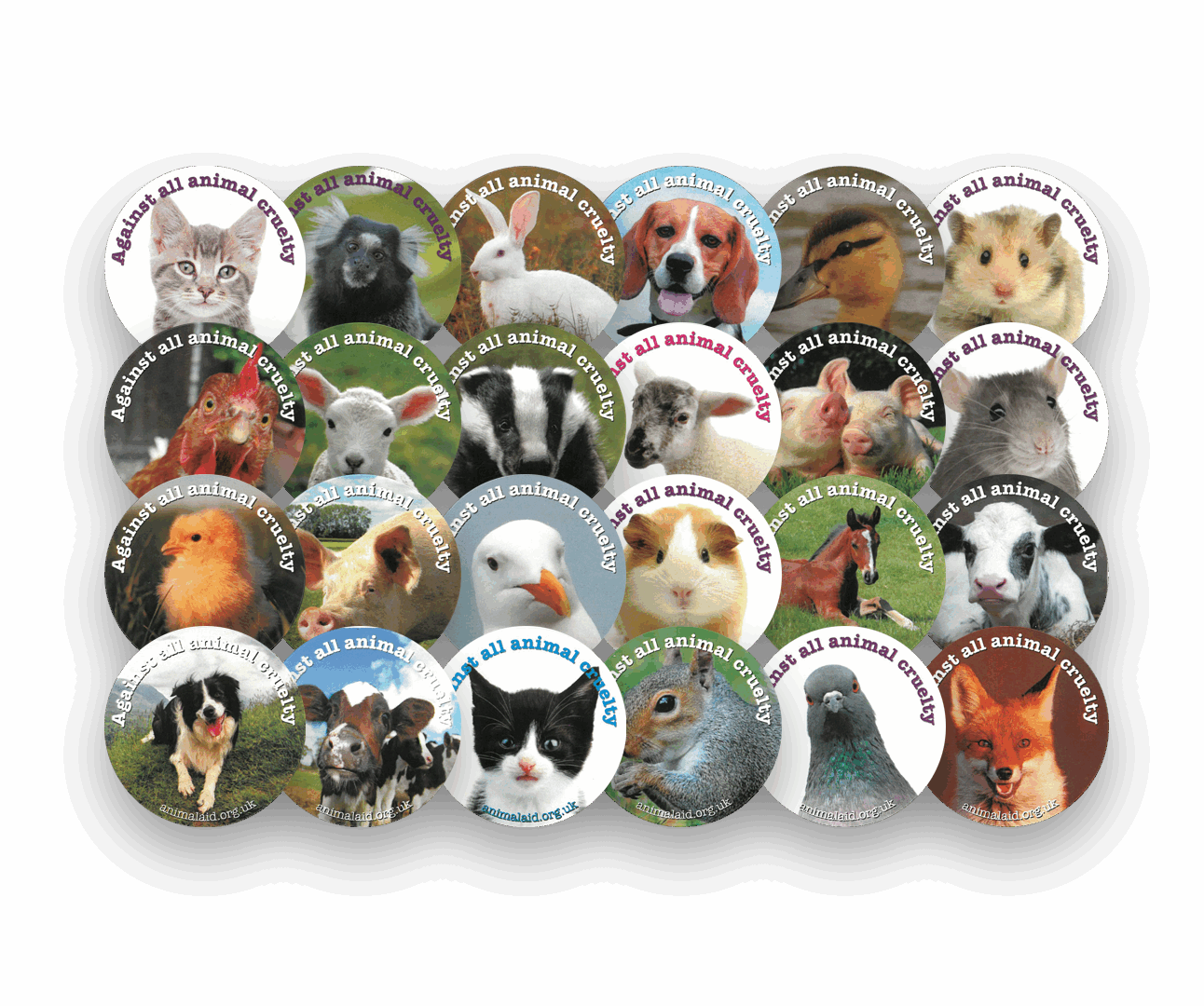
Sheet of 24 circular stickers depicting wild and domestic animals. Use to add to letters, envelopes, bags, folders etc.