The irony of eating lambs at Easter
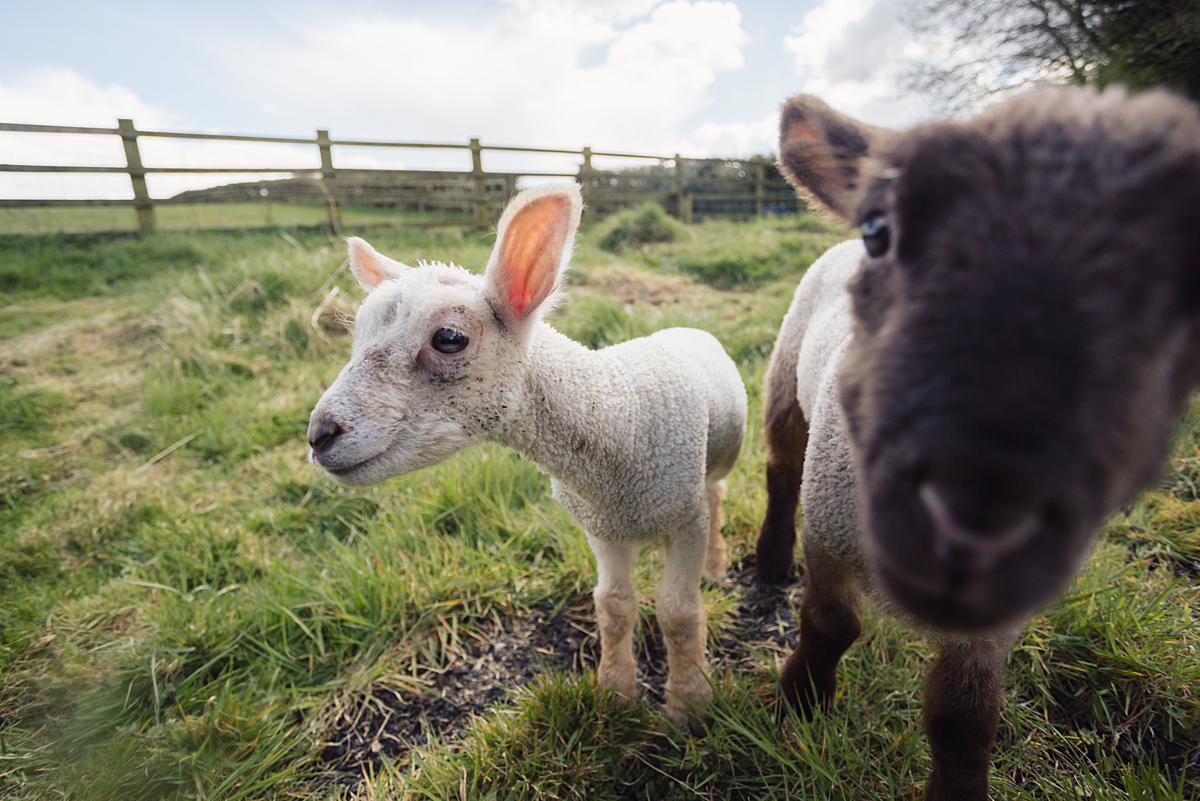
Eating ‘lamb’ on Easter Sunday is a traditional but ironic way to celebrate a holiday that’s all about new life. Because how do we humans celebrate new life? By eating it.
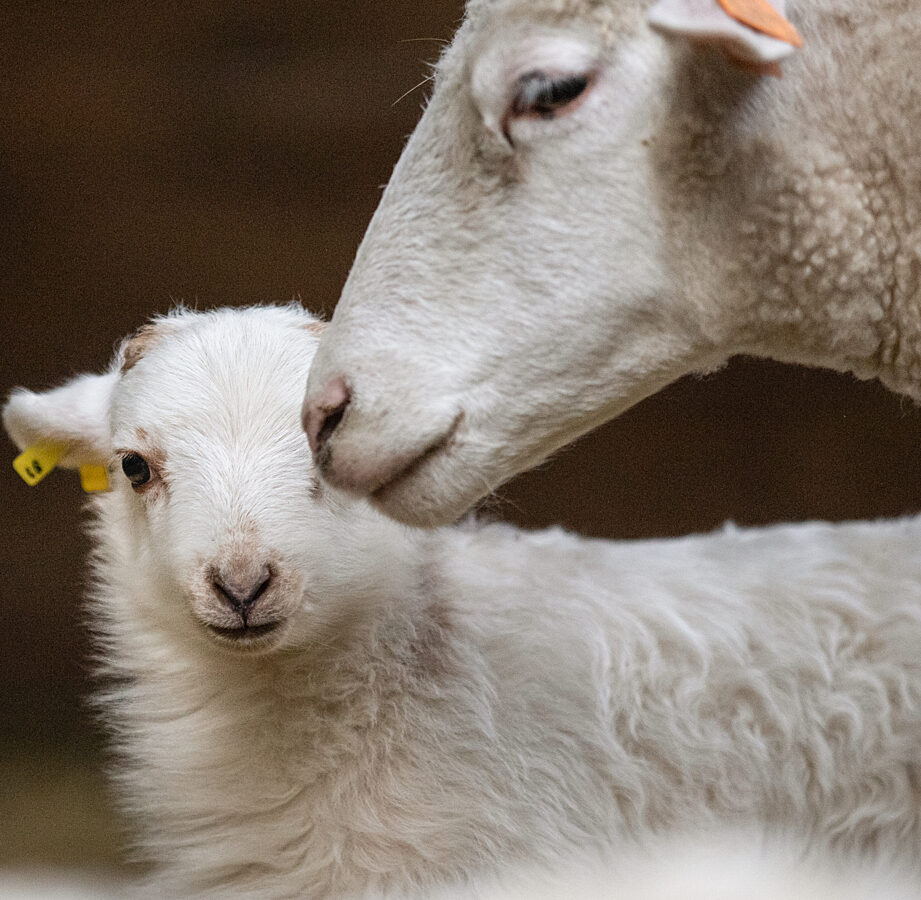
Most people don’t realise that to supply the lucrative Easter market, many lambs are born in the depths of winter, when cold and unpredictable weather causes more than 10% of lambs to die within their first month of life. Those who survive will be slaughtered around 4 months of age – just in time for Easter.
Like all farmed animals, lambs’ lives are short and brutal, but the industry doesn’t want consumers to know this.
For example, the industry claims that castrating lambs soon after birth is necessary to reduce unplanned breeding, yet lambs are slaughtered before reaching sexual maturity. The real reason is that castration encourages weight gain and therefore more money come slaughter-time. Similarly, tail docking is claimed to be the “only practical means” of managing fly infestations and yet populations of wild sheep have exist just fine without having their body parts removed. How far will the industry go to keep up the charade of Easter ‘tradition’?
Traditions that cause unneccesary harm and suffering should not continue.
Commercialised cruelty
Dating back to ancient times, the egg symbolised new life and fertility. Like with lambs, it’s ironic that the consumption of eggs actually prevents new life from being born.
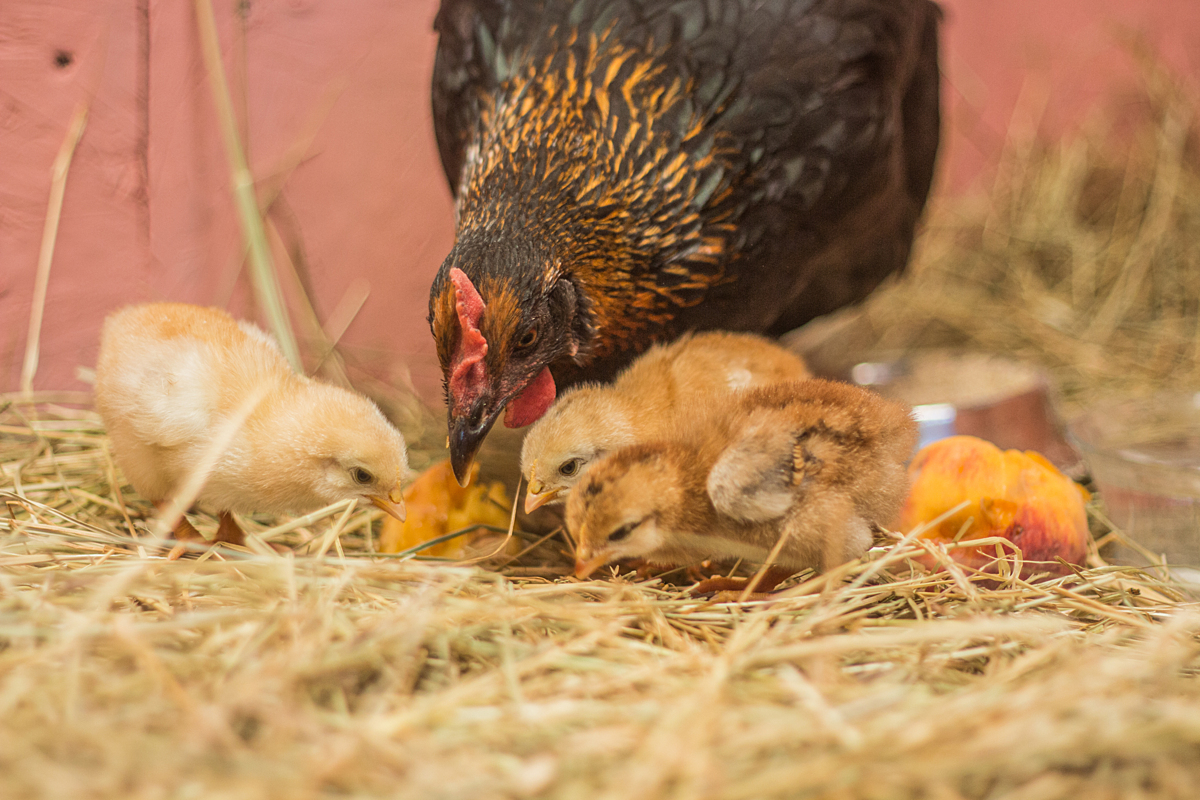
In natural conditions, a mother chicken would take great care of her unhatched eggs, even using a special call to communicate with the chicks inside. But on commercial egg farms, hens and chicks never meet. Instead, chickens destined for egg production are hatched inside industrial incubators. Female chicks will replace their mothers as ‘layers’ while male chicks, who cannot lay eggs, will be killed for being economically ‘useless’. 40-45 million of these newly hatched chicks are macerated or gassed in hatcheries each year, on their very first day of life.
A fresh start for all
The suffering of animals at Easter doesn’t end with the animals on our plates. Here are more issues to be aware of, and how you can help:
- ‘Lambing events’ allows the public to visit farms and watch sheep give birth, sometimes even interacting with the newborn lambs. Such events are stressful for animals and perpetuate the idea that animals are commodities to be looked at and exploited for education or profit (or both!) even at their most vulnerable. Get in touch if you’d like advice on speaking to event organisers.
- As many as 90 million Easter eggs will be sold in the UK this year, most of which contain the milk of a mother cow. Yet most people don’t realise just how cruel the dairy industry truly is. Read our latest stats on the number of calves killed in 2025.
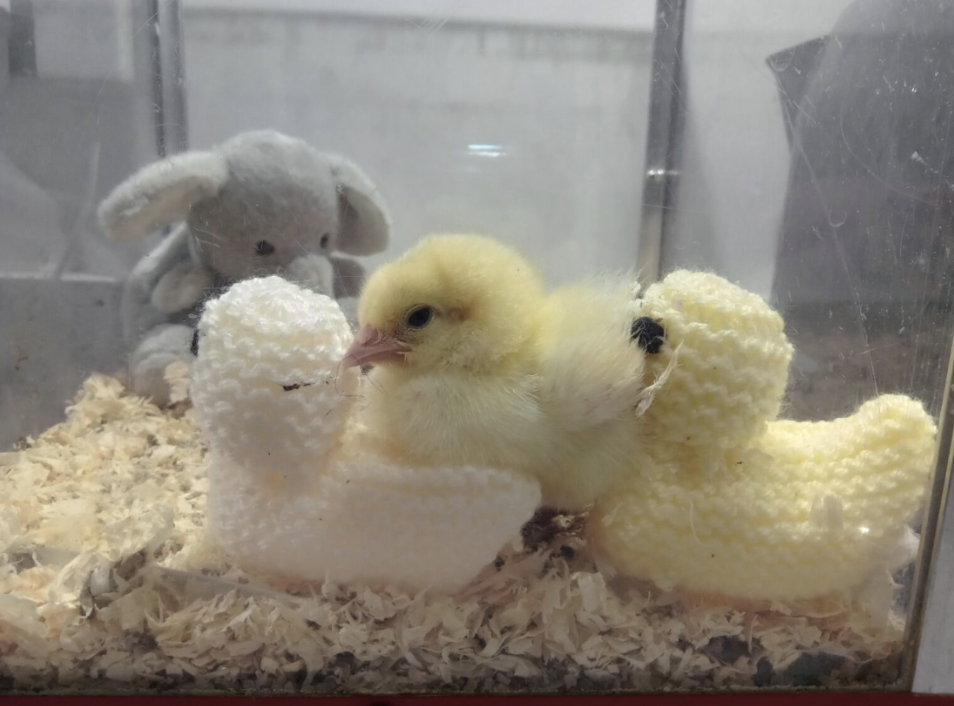
- ‘Hatching projects’ take place in schools under the guise of teaching children about life cycles, but most people are unaware of the animal suffering involved and how these projects impact children’s perception of animals. Schools rarely have the knowledge or resources needed to provide adequate care for chicks, instead teaching children that animals are disposable. Learn more.