
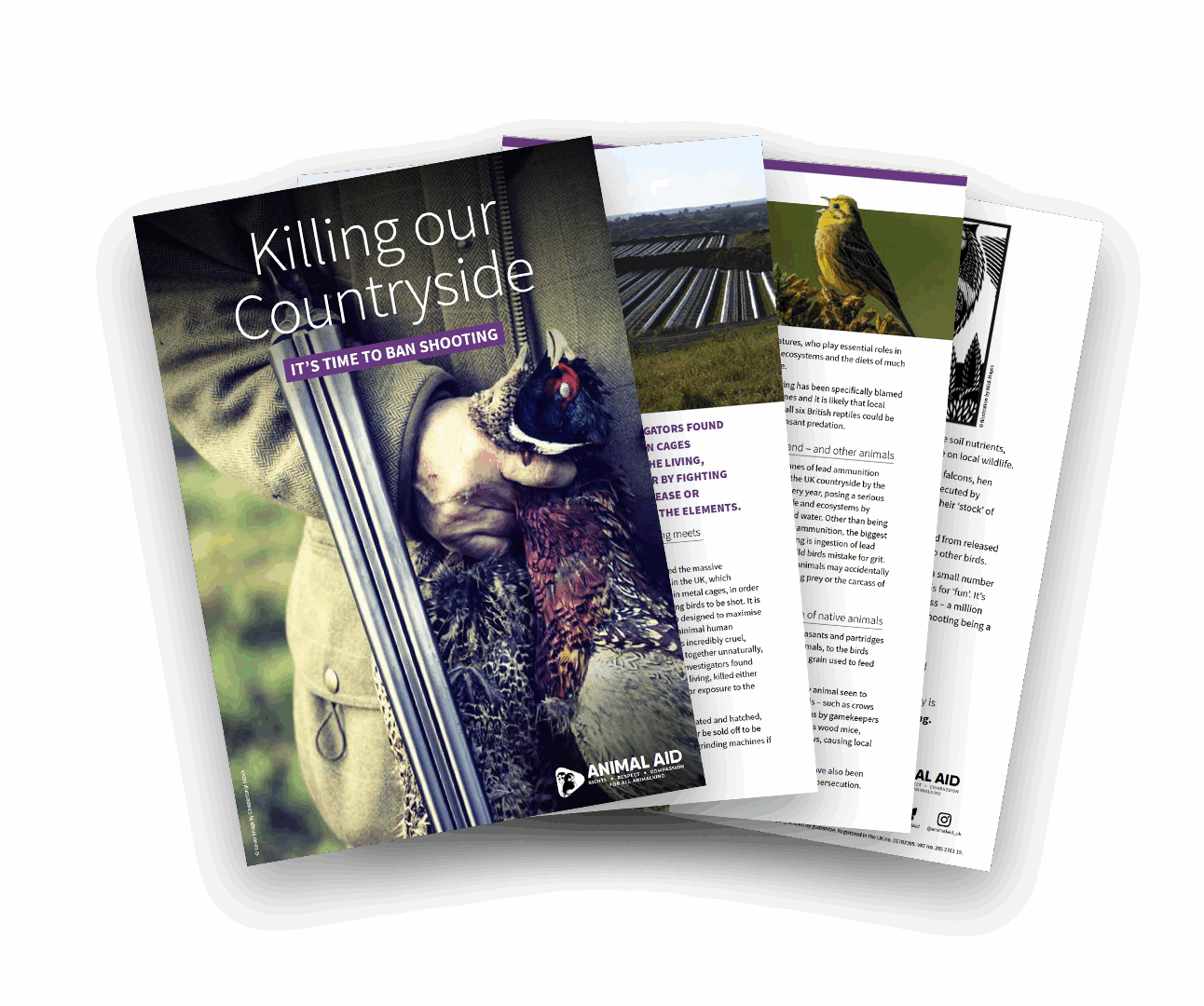
Available to order for FREE, this leaflet covers both the intensive animal abuse and environment damage caused by the shooting industry.
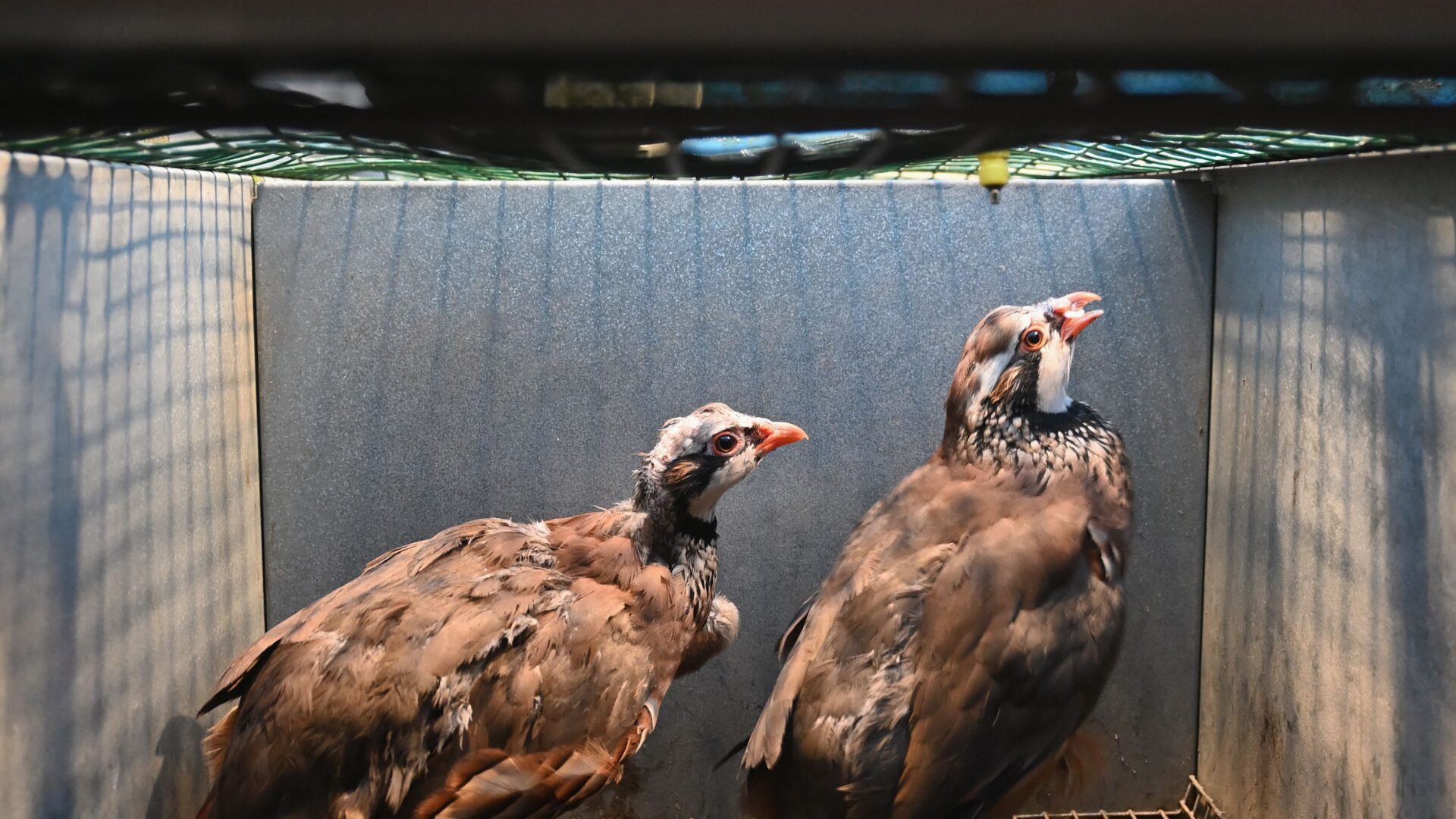
Our 2026 investigations on game farms have revealed the all too familiar scenario of suffering and neglect. Read more and pledge to take action.
Across the country, hidden from public view, tens of thousands of partridges and pheasants are incarcerated on game farms. Used for breeding, their chicks will be reared, released and then shot from the skies in their millions – all for “sport”.
Even amongst people who care about animals, these poor birds often slide to the bottom of the list of priorities – but they are every bit as worthy of our help, because each and every one of them is an individual with a life to live and who can suffer pain and unhappiness.
Our 2026 investigations on game farms have revealed the all too familiar scenario of suffering and neglect.
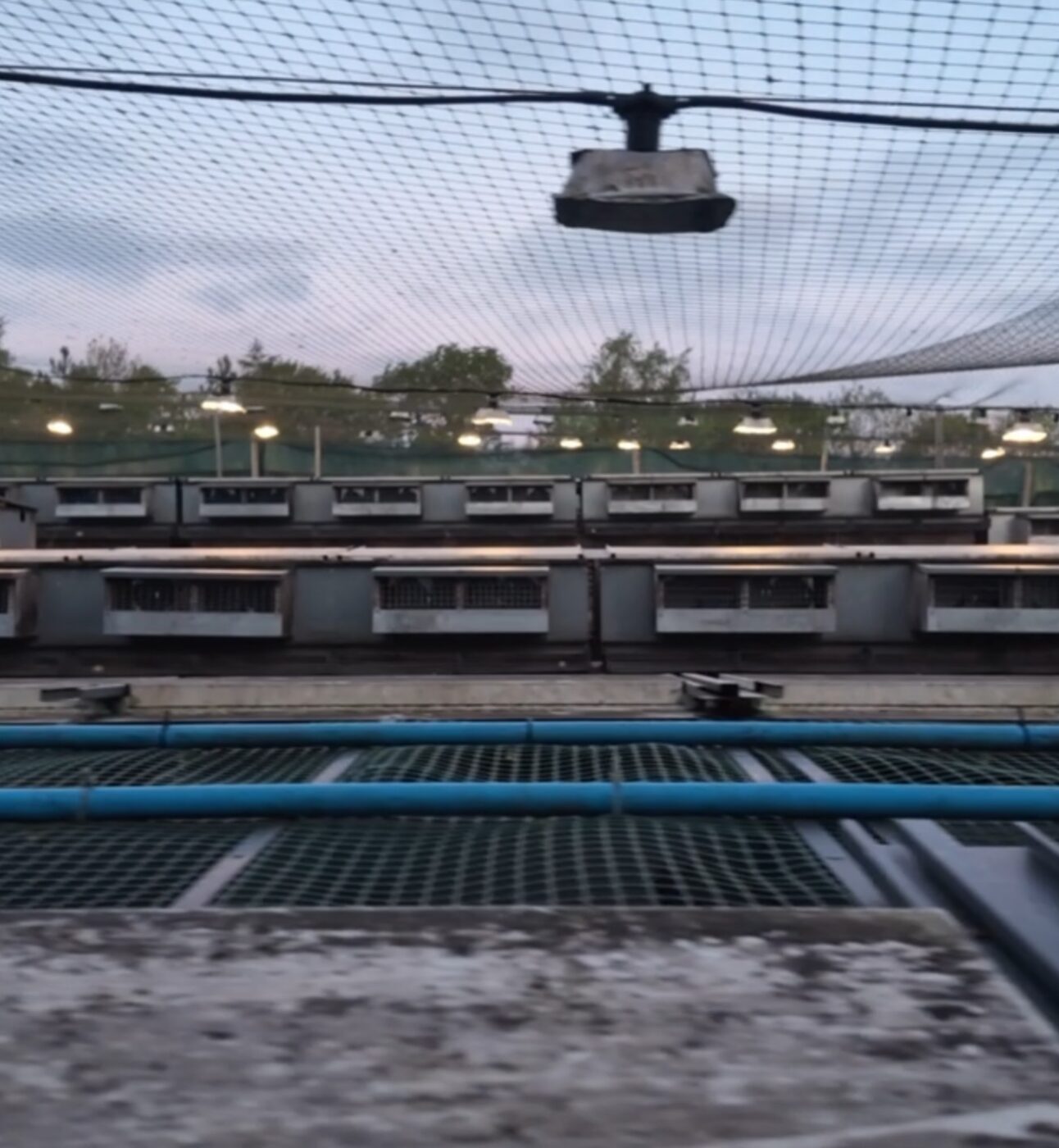
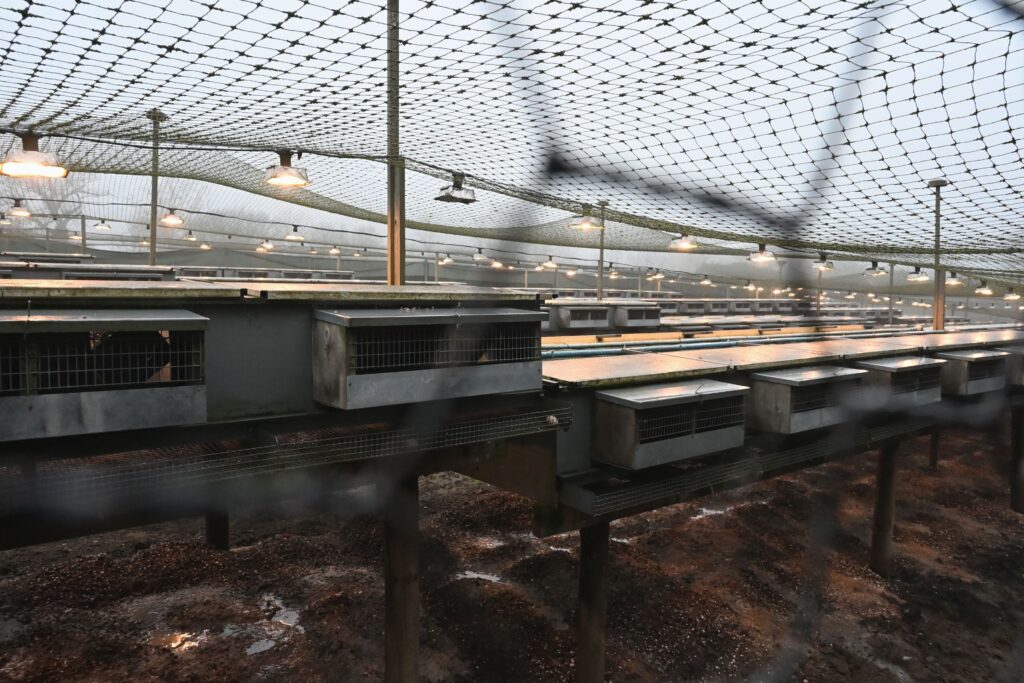
At one site, red legged partridges were held in raised, barren, laying units – against the guidance in the government’s own Code of Practice. At another location, again, pheasants were imprisoned in barren cages. There, we also found that around half of the female pheasants had masks fitted and that many of the females had large bare patches of skin on their backs from mating injuries. The use of masks is not supposed to be common practice, but the reality is that it happens routinely. The birds have these restrictive devices forced onto them to prevent them injuring and killing each other. The masks are a key indicator of the stress that the birds endure through their confinement and total lack of privacy.
While we complain about increasing heatwaves and struggle to stay cool, thousands of birds used by the shooting industry were suffering inside metal boxes, unable to escape. To the shooters, they are nothing more than commodities. This is best exemplified by the enormous rubbish heap we found at one location, which contained sawdust, droppings and other waste – as well as the discarded bodies of dead birds, crawling with maggots. We have reported the farm in question to the relevant authorities – as this contravenes regulations on disposing of animal by-products and is potentially an avian flu threat – but the sad reality is that whilst authorities take biosecurity seriously, reports relating to the suffering of animals never receive as swift or as robust a response.
The pictures below are a small selection from this year’s investigation – we shall be providing Defra with images and data relating to our investigation from this year when they launch their call for evidence into ‘game’ farms next year.
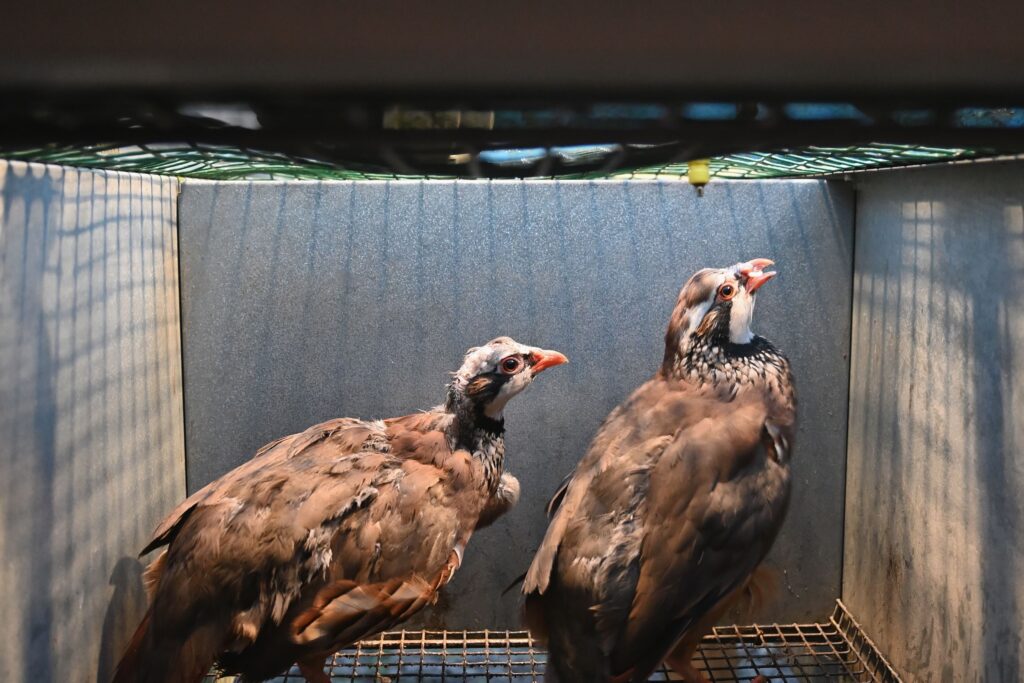
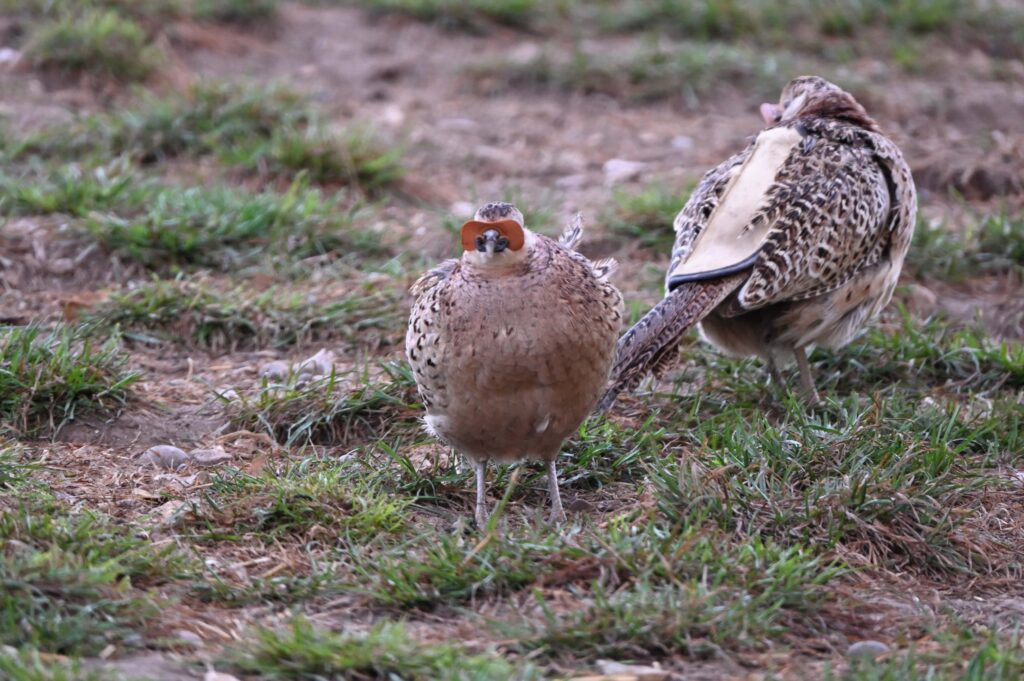
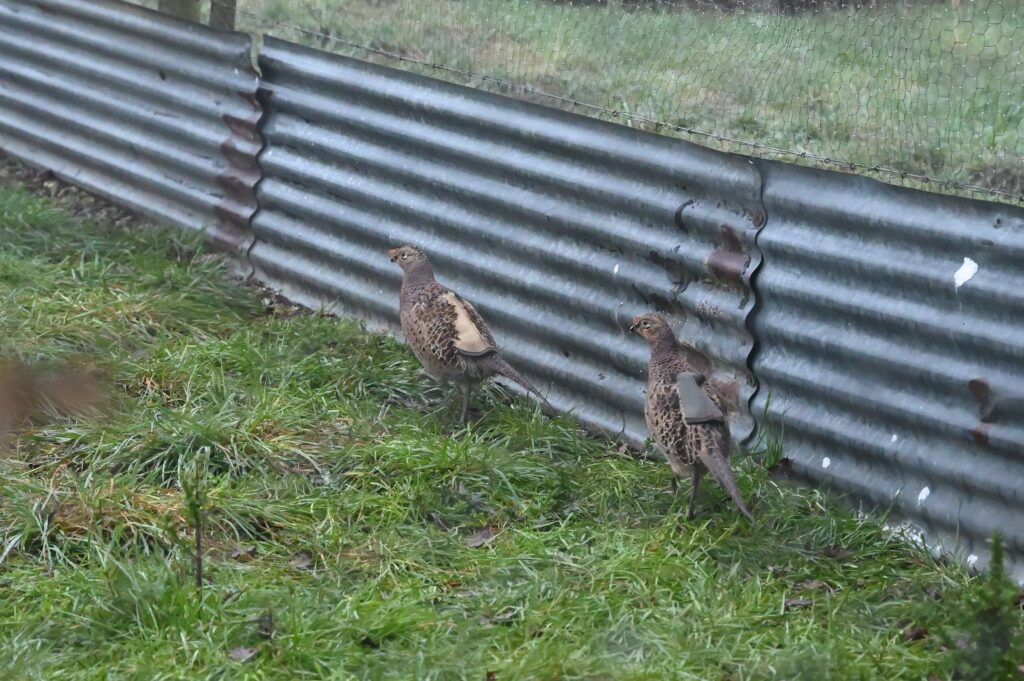
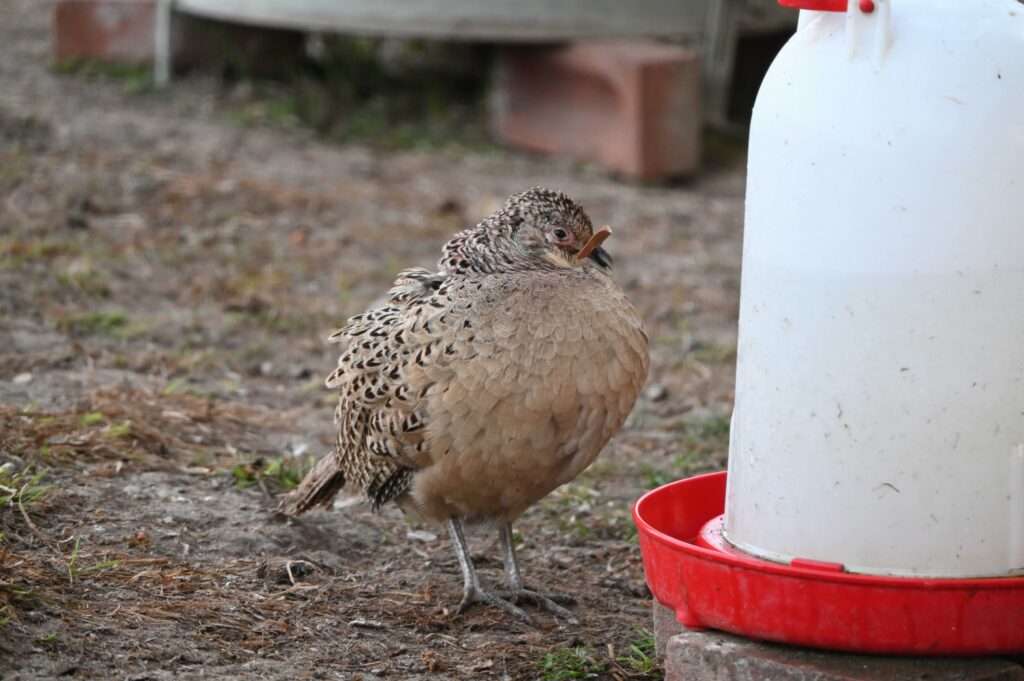
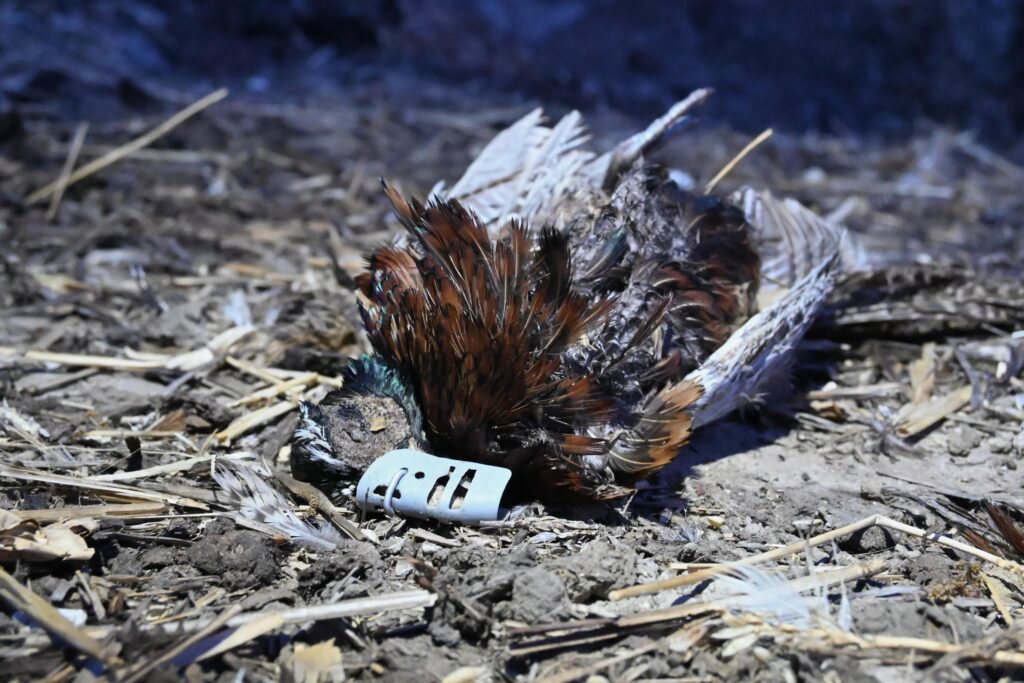
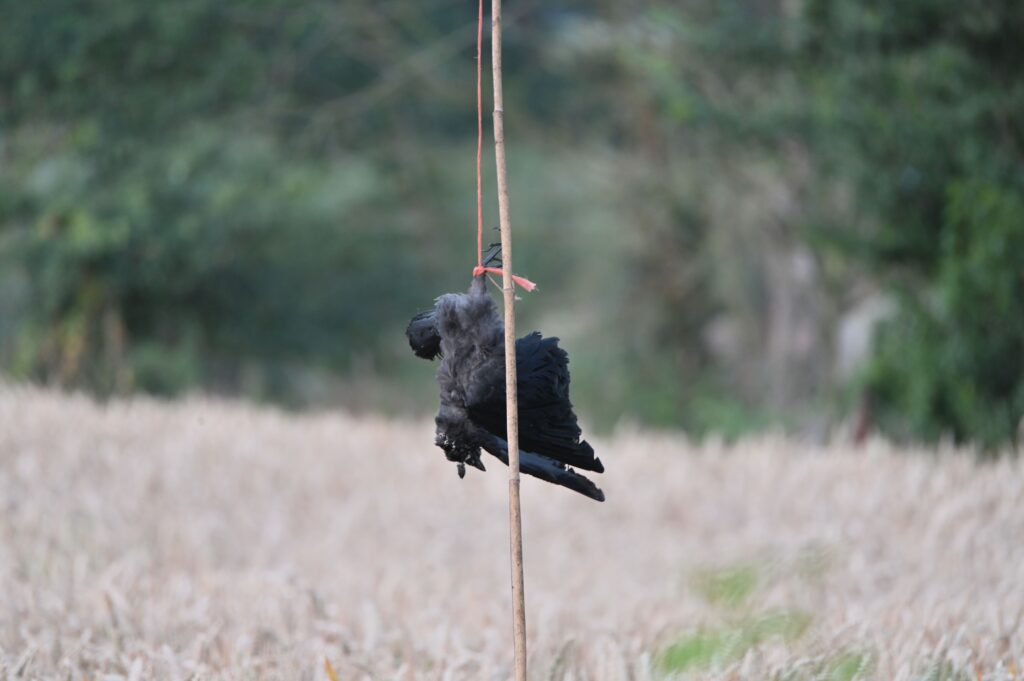
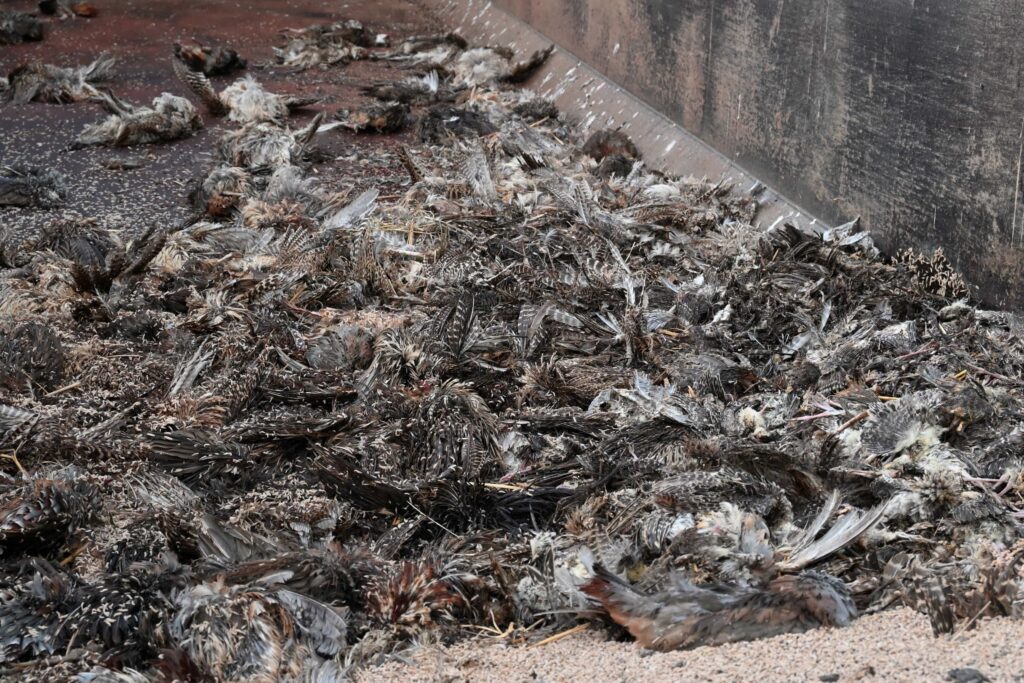
With the shooting season due to start again soon (September for partridges and October for pheasants, as well as August for grouse), going anywhere in the countryside often becomes an unpleasant experience. Quiet roads are running with frantic pheasants; the dead avian victims litter the verges; beautiful walks are peppered with ‘keep out’ signs; and the peace and quiet is ruined by the sound of gunshots.
But we know that most people oppose this disgraceful treatment of birds, and do not participate in it. In fact, polling revealed that 85% of people thought that the UK should end the killing of animals for sport. We need to harness that opposition and turn those people into active defenders of wildlife.
You can help. Please take action, order leaflets, run a street stall, leaflet in your town centre – and let people know that we need to fight against those who are hellbent on killing the countryside.
Available to order for FREE, this leaflet covers both the intensive animal abuse and environment damage caused by the shooting industry.
Organise an event or join in – click here to find out more.
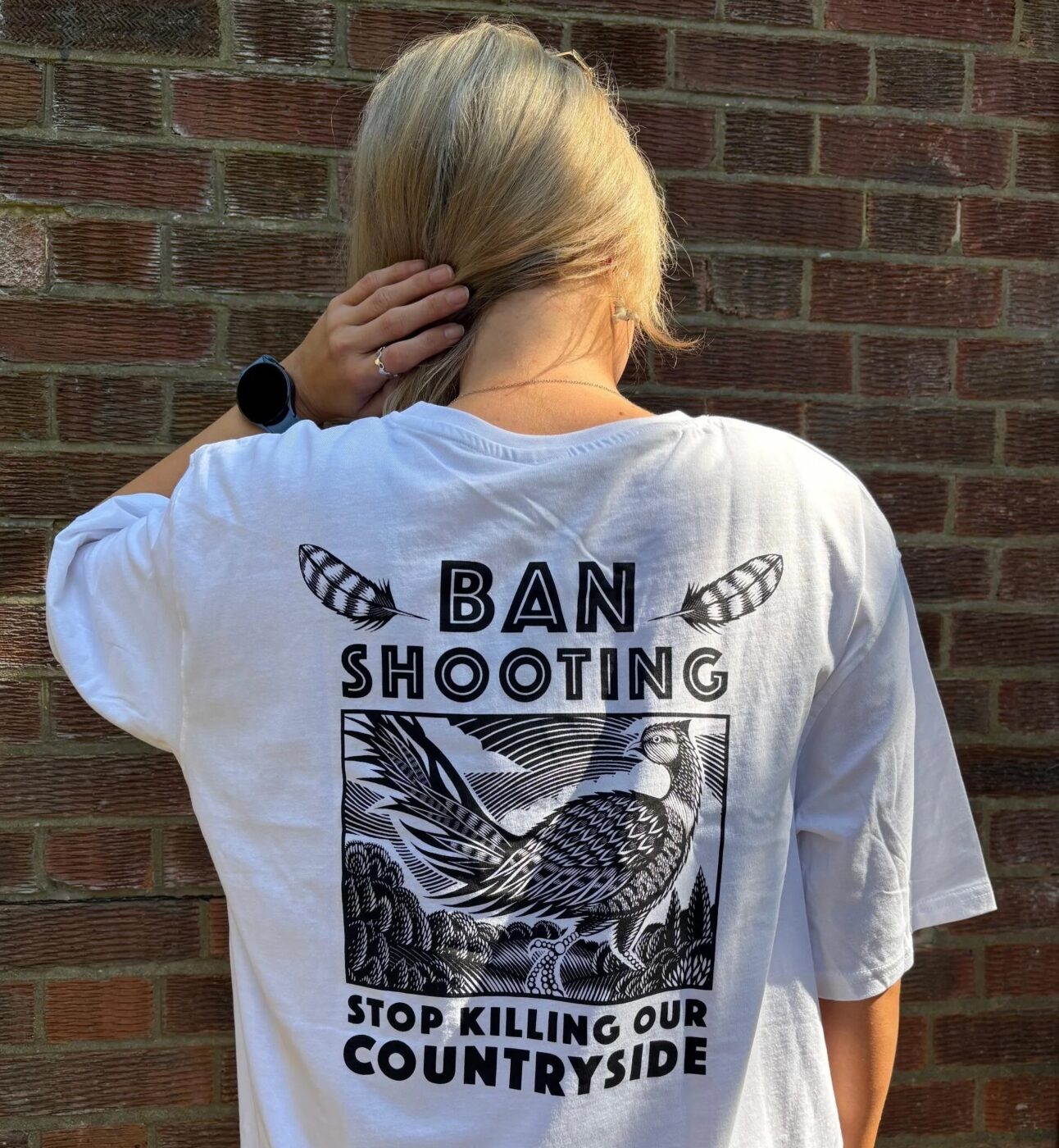
Wear your support with this stunning t-shirt designed by our friend, writer and artist, Nick Hayes.