Words aren’t neutral. They’re designed that way.
Industries that profit from animal abuse don’t just rely on systems, supply chains, and outdated practices. They also rely on language because words can be a powerful tool for connection but they can also keep us disconnected from our animal cousins, so that we don’t question their industrialised suffering – nor our own complicity.
Language as a shield
When something is uncomfortable, violent, or morally complicated, we make it more palatable by softening our language. We might wrap it in technical jargon or drain it of emotion, not because we’re bad people but because we’ve been taught to. Think about how often you’ve heard words like:
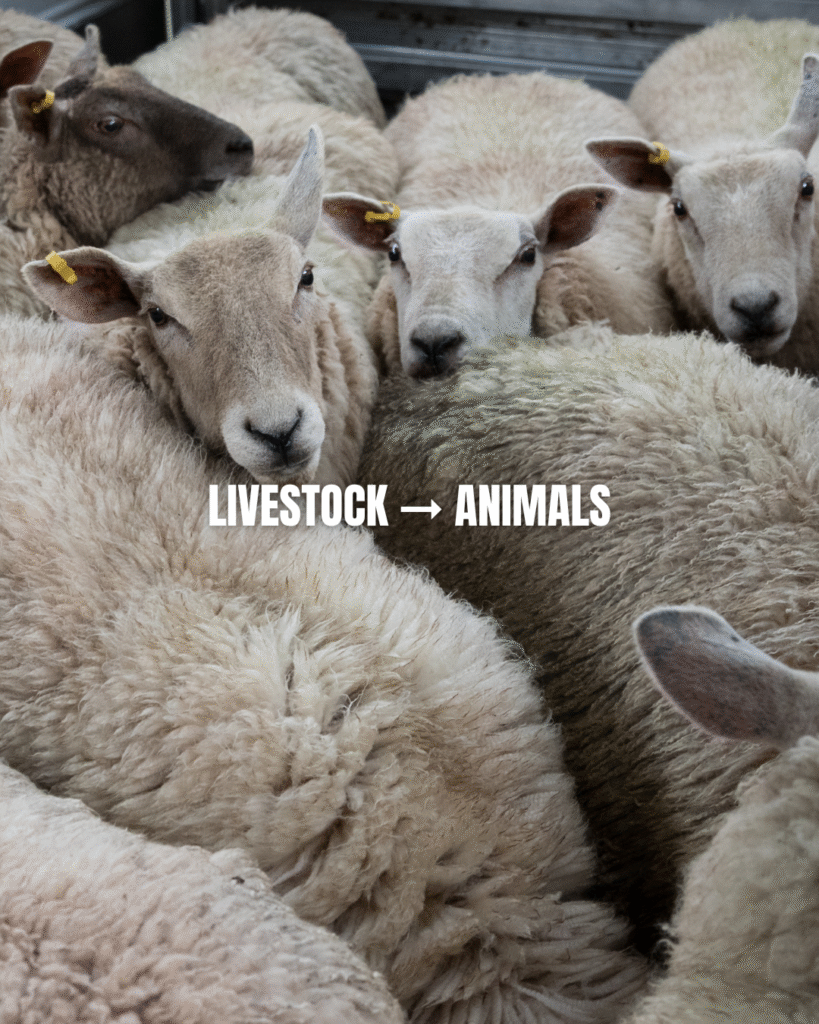
Livestock ⟶ literally translates to ‘stock’ that is ‘living’
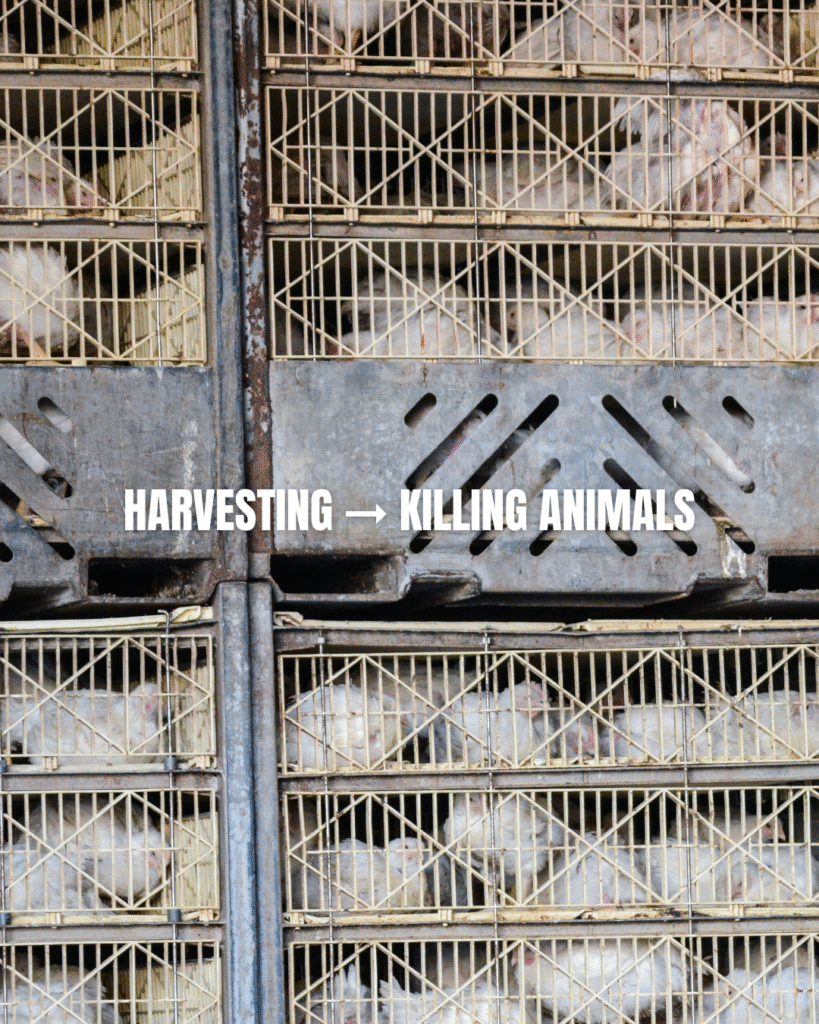
Harvesting ⟶ borrowed from crop farming to sanitise the killing of animals
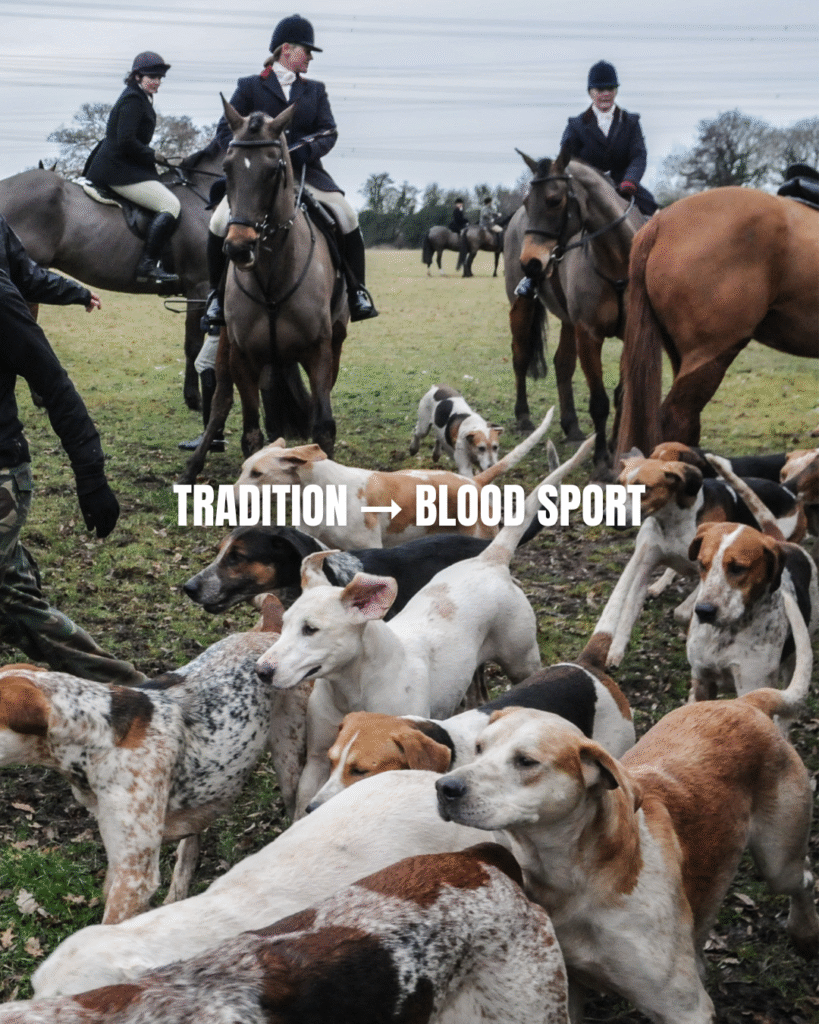
Tradition ⟶ used to justify and normalise harms that have no place in modern society
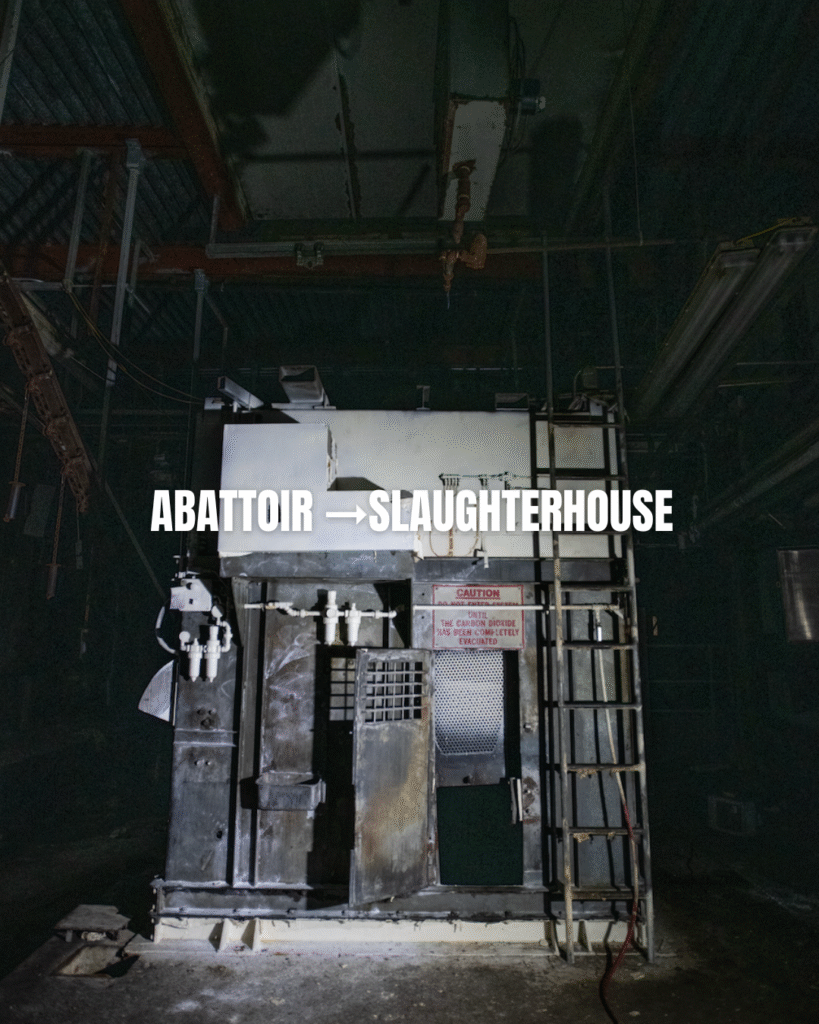
Abattoir ⟶ used to soften the reality of slaughterhouses
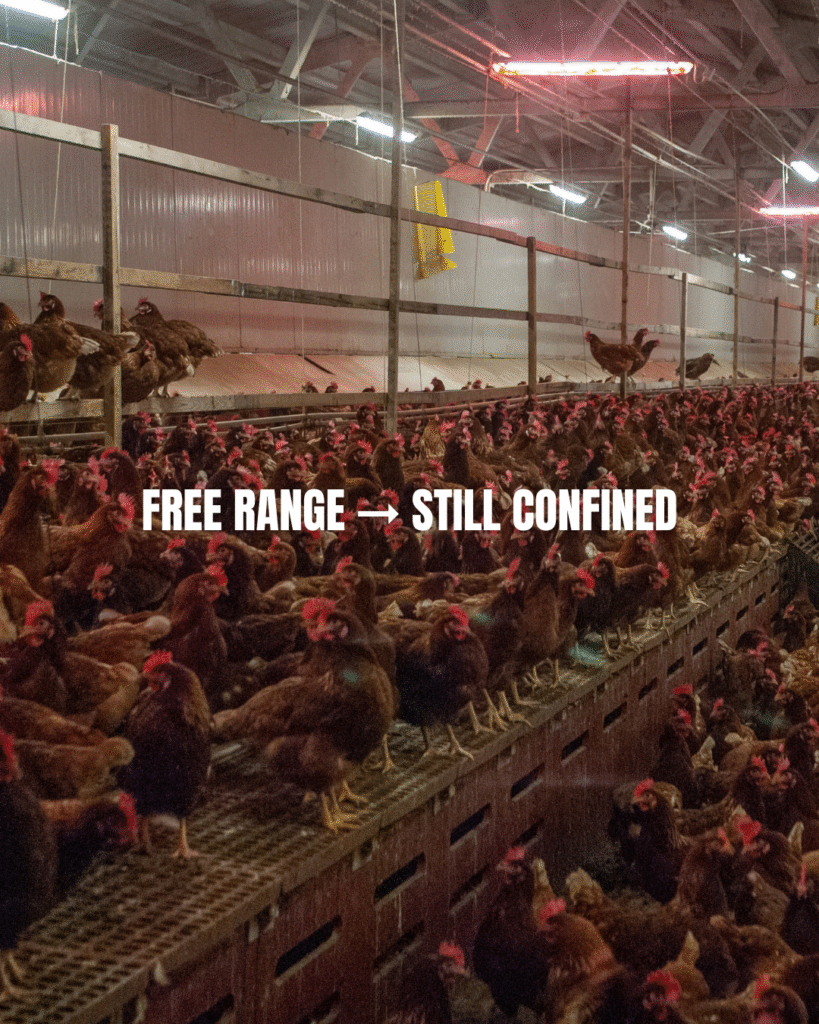
Free range ⟶ an industry term that continues to trap and confine animals
Culling ⟶ used to disguise mass killing of animals
Humane ⟶ a welfare term that implies ‘kinder’ exploitation is acceptable
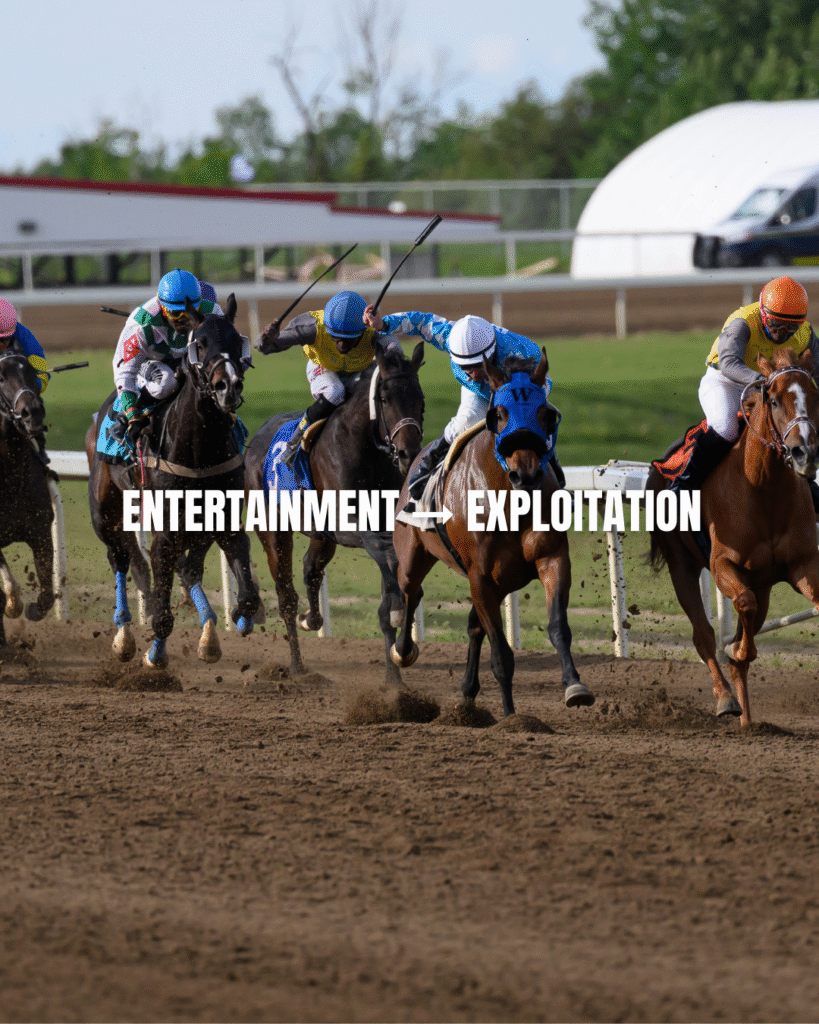
Entertainment ⟶ hides the coercion and abuse involved in sport and entertainment
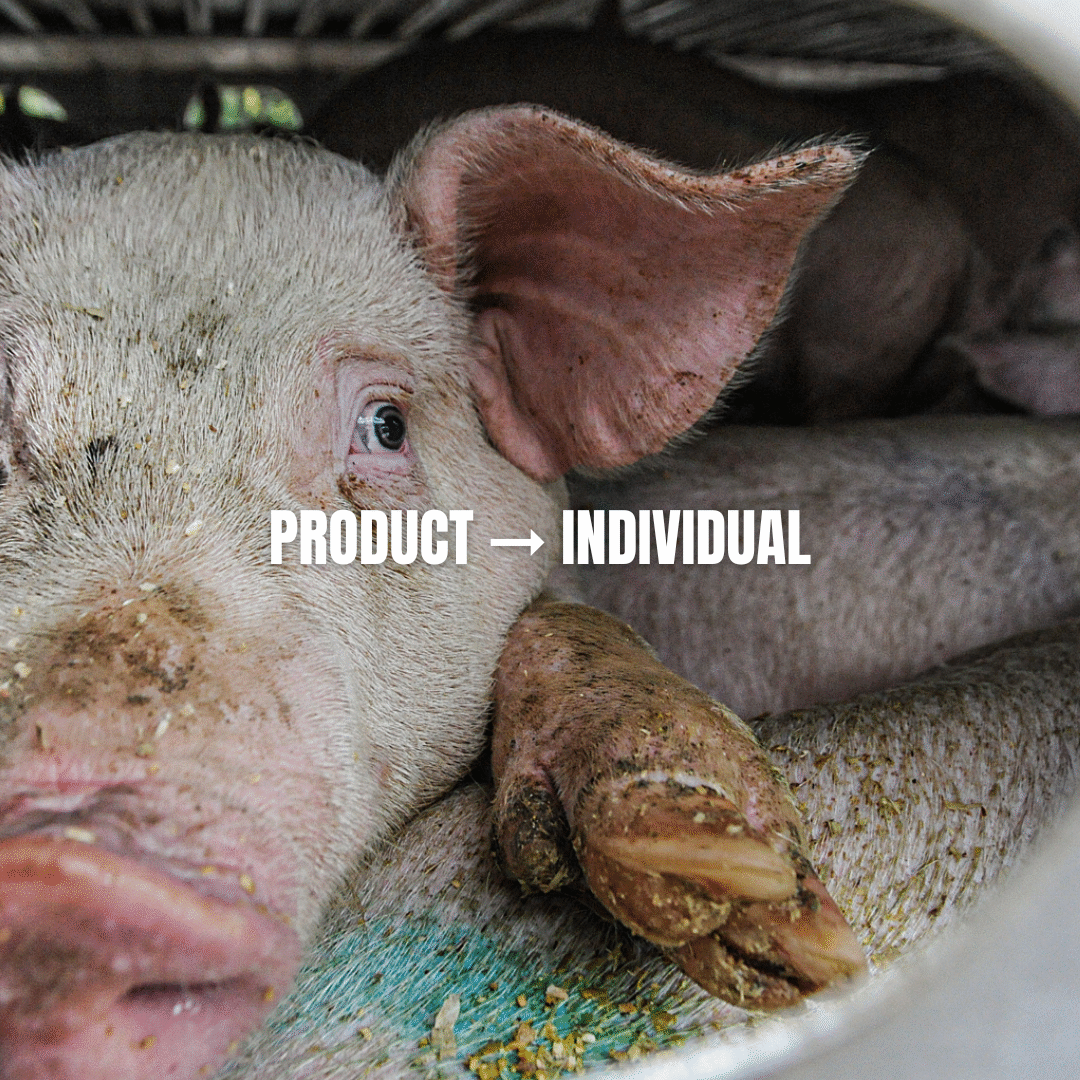
Product ⟶ erases an animal’s identity
Testing ⟶ clinical term for painful and unnecessary experiments conducted on animals
These words, many of them borrowed directly from industries that exploit animals, are meant to sound practical, efficient, neutral.
But neutrality isn’t the same as truth.