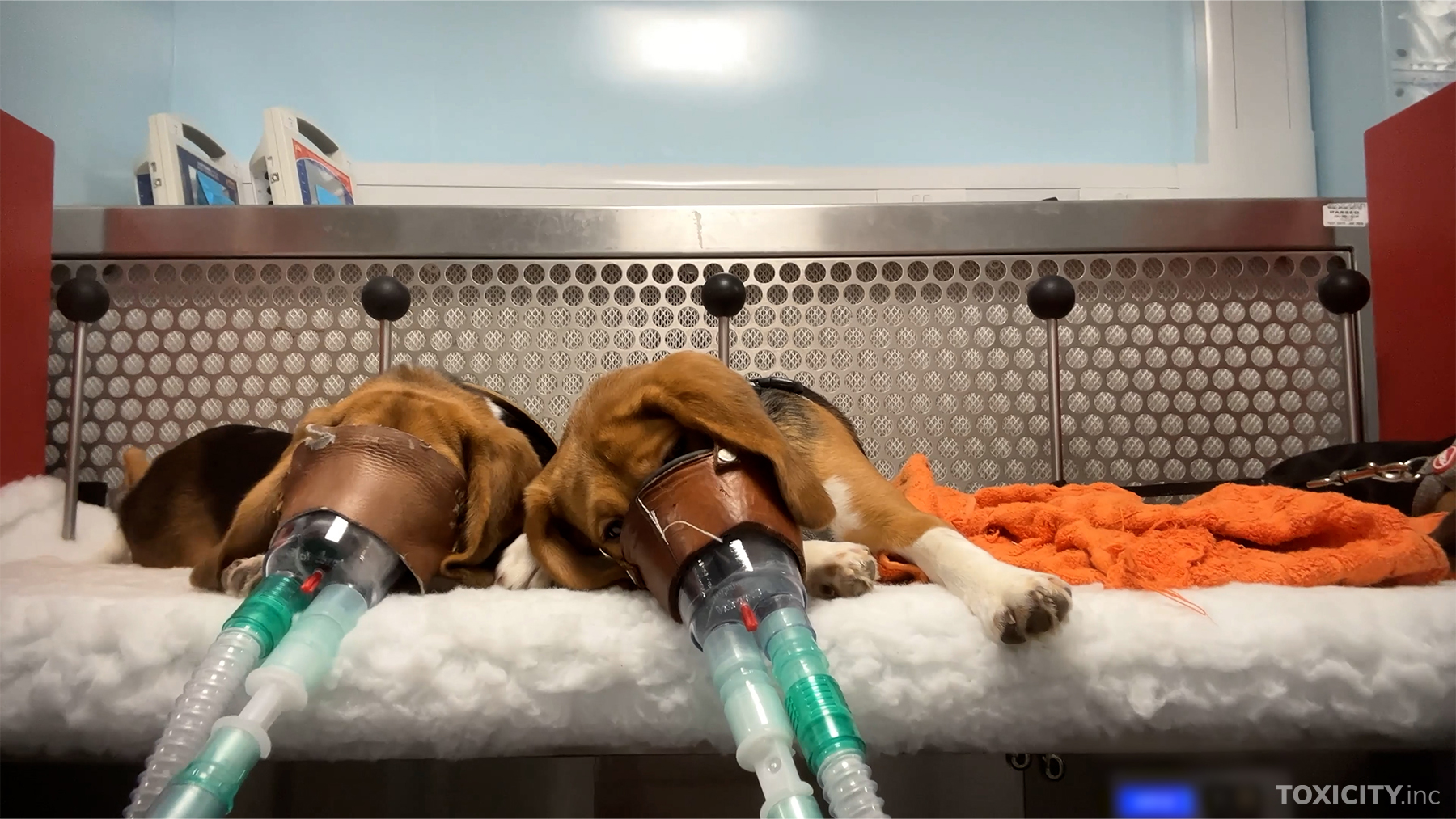
Today, the Home Office published its annual statistics on animal experiments in Great Britain. Behind the numbers are millions of animals harmed and, in most cases, ultimately killed in laboratories. The figures reveal troubling increases in the use of several species, including birds and specially protected animals. We are shocked and appalled by these statistics, highlighting the level of cruelty and suffering endured by these animals in 2025.
A total of 2.54 million scientific procedures involving living animals were carried out in Great Britain in 2025. The Home Office also recorded 2.46 million animals used in procedures for the first time.
The use of birds rose by 14%, making birds the third most-used group of animals in experimental procedures for the first time. The number of procedures involving dogs increased by 9%, cats by 11%, non-human primates by 15%, and horses by 5%. The number of horses entering scientific procedures for the first time also increased sharply, from 60 to 100 animals.
2025 key statistics
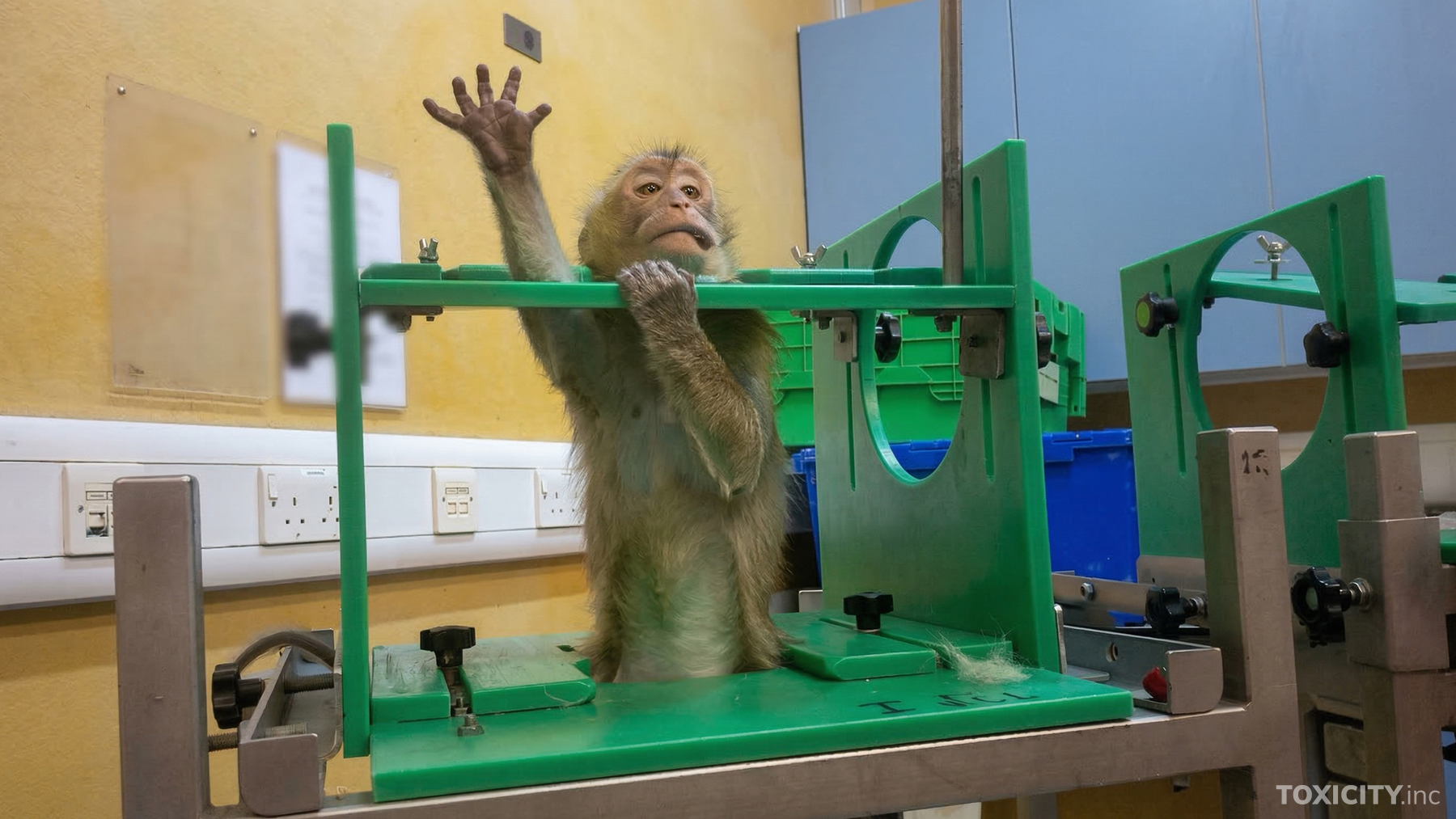
- 1,845 primates were used for the first time. Of those, 1,755 were Cynomolgus monkeys. There were 1,959 procedures specifically for regulatory tests – similar to those seen in April’s exposé*. Monkeys shrieked in fear before being force-fed substances (known as oral gavage) and who spun and struggled whilst restrained in ‘macaque chairs’, forced to inhale substances against their will.
- 5,284 rabbits were used in experiments. 4,005 procedures were regulatory tests. The exposé showed pregnant rabbits restrained in transparent containers with only their ears exposed. This allowed substances to be slowly injected into the vein in her ear.
- One of the most shocking images from the exposé was of a pig with 8 excruciatingly deep square wounds cut into the flesh on their back. The raw exposed flesh was seen being flushed with a substance leaving the terrified animal squealing and writhing in agony and terror. 2,355 pigs were used and 1,360 were harmed for regulatory procedures.
- 1,640 beagles were harmed in 2025. 2,101 tests were regulatory tests, similar to those in the exposé – young dogs tried desperately to shake masks from their faces (masks which delivered substances they must inhale) or had a tube was forced down their throat into their stomachs and substances pushed down the tube.
- 125,202 rats were used in laboratories last year. These intelligent and inquisitive creatures can be ‘gavaged’ or held in tubes, unable to turn or reverse, their noses exposed to chemical vapours in an ‘inhalation tower’, where they may be held for hours. Of the number of rats used, 77,678 procedures were regulatory tests
Monkey restrained in 'The chair' during Toxicity test
Animals International
11,213 procedures were the notorious LD50 (Lethal Dose 50%) and LC50 (Lethal Concentration 50%). The LD50 test, originally designed in 1927, involves giving live animals increasing doses of a substance until half of them die.
The reality of what happens to these sentient individuals inside British laboratories is an absolute betrayal of compassion. To force terrified monkeys into restraint chairs, slice deep wounds into the backs of pigs, and pump toxins into the stomachs of young beagles is a form of industrialised torture that should have been left in the dark ages.
Behind every single statistic in this report is a hidden victim who lived a short life of terror.
In the wake of April’s shocking toxicity testing exposé, today’s statistics are a stark reminder that millions of animals continue to remain trapped in British laboratories – while the move away from animal experiments remains far too slow.
Take action for animals in British laboratories
We're asking all MPs to support the call for a pause on new licenses, a review of all existing licenses, and for the Government to deliver on its promise to replace animals in science.