Dissecting the lies: The language of laboratories

The language of animal testing is clinical and cold, sanitising the true harm that takes place in laboratories. But who benefits from words sounding harmless, and who pays the price?

When we talk about animals in laboratories, the words we choose matter.Ā 

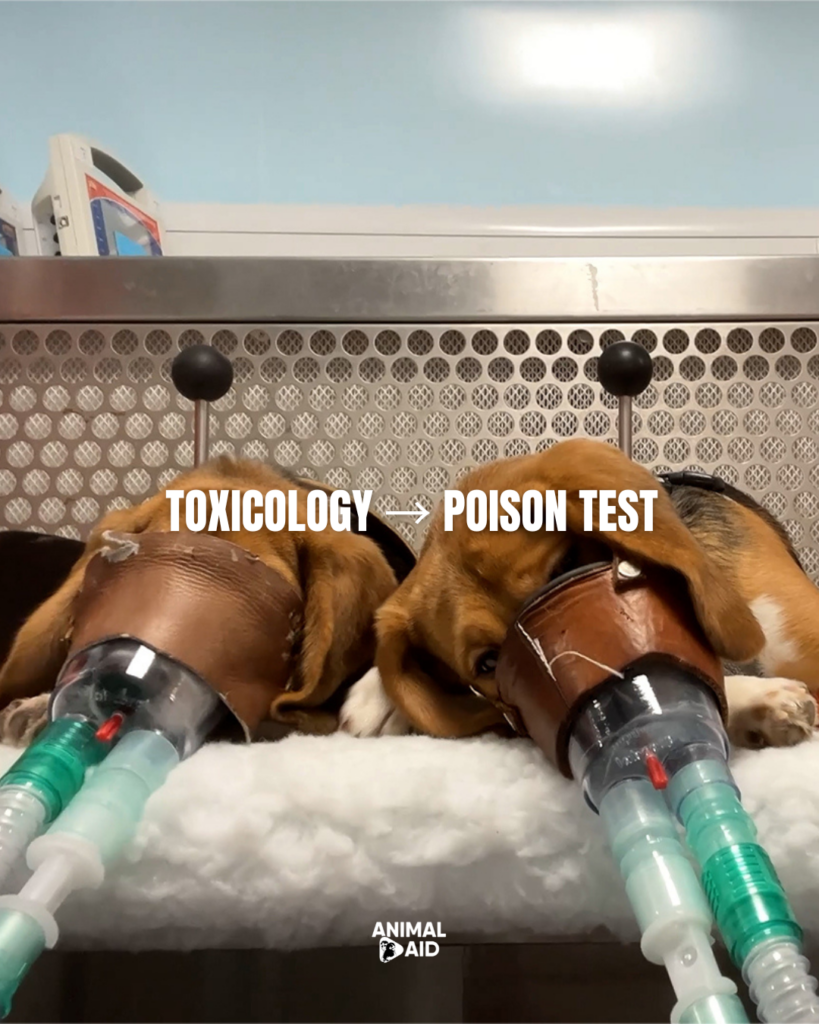
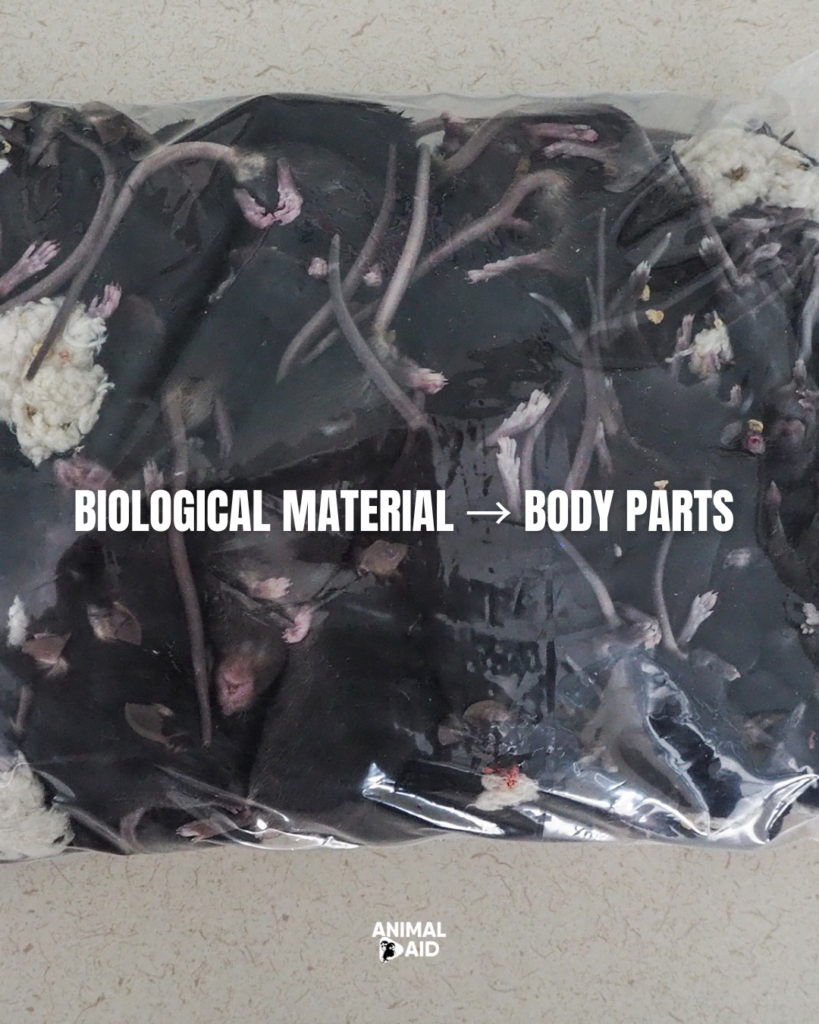
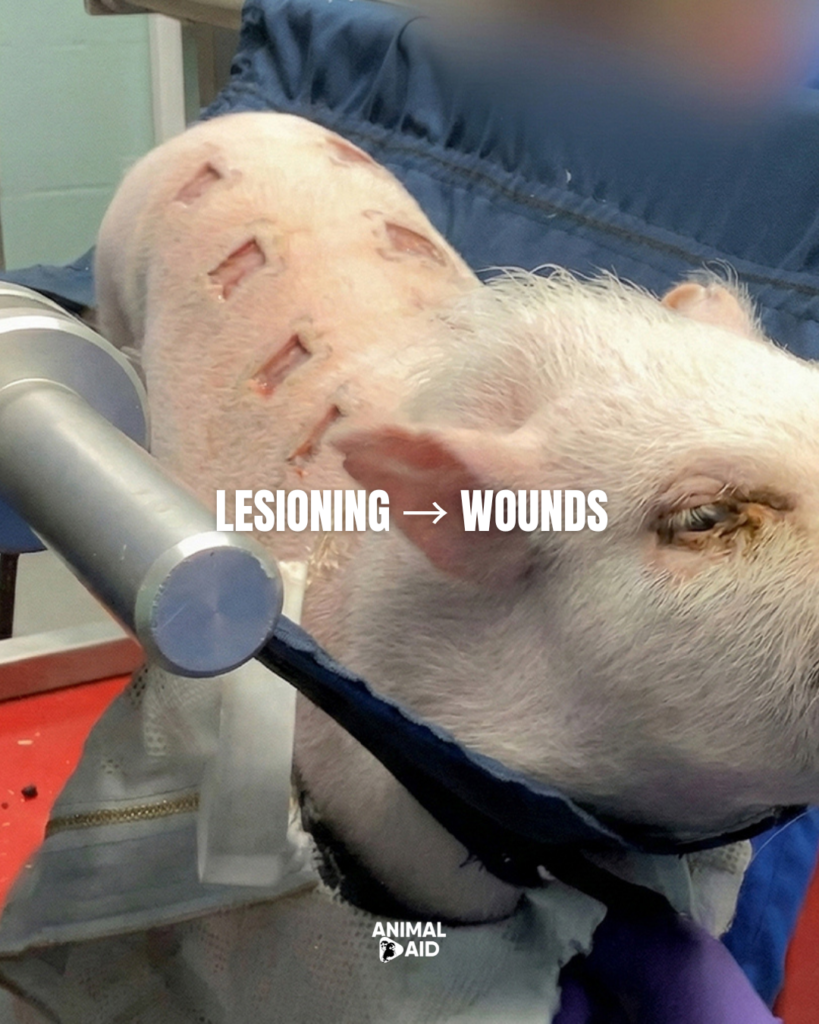
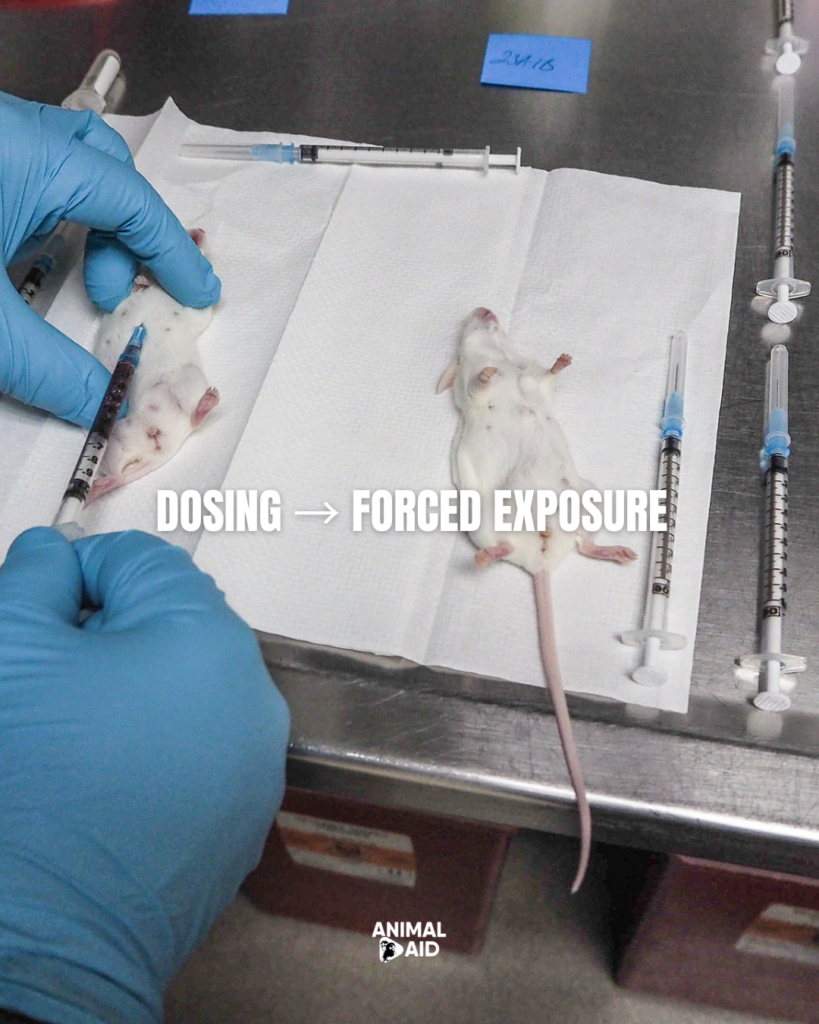
Phrases like ā€œanimal modelsā€ and ā€œtest subjectsā€Ā don’tĀ evoke the kinds of vivid imagesĀ we’veĀ all seen recently, with the release ofĀ new footage. Instead, these words create a cold, sterile distance designed to legitimise an industry that tells us animal testing is necessary – when it is not.Ā 

Unlike theĀ language of racing horsesĀ or theĀ deeply entrenched euphemisms of farming animals, the language of laboratories isĀ not deeply woven into the public imagination.Ā Ā 

That’sĀ because we know animal testing is wrong.Ā 

Because we know that dogs are not ā€œmodelsā€ and rabbits are not ā€œspecimensā€.Ā They are individuals who deserve so much better.Ā 

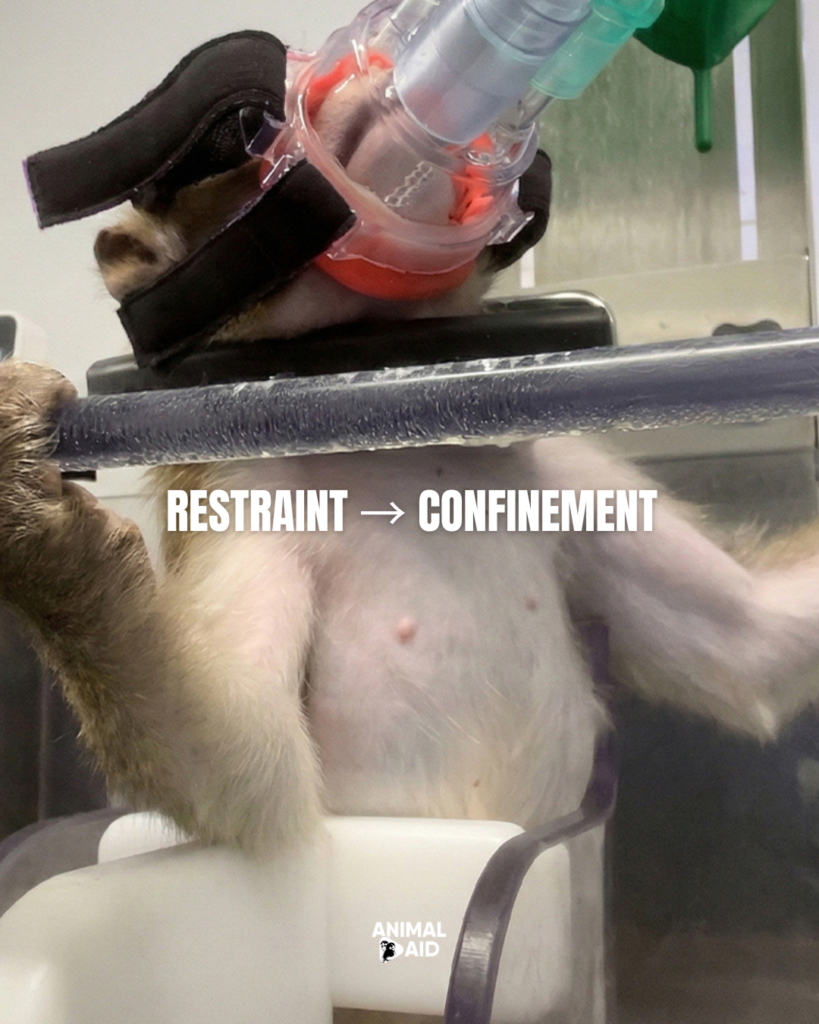
Even the most severe experiments are filtered through neutral, technical wording. The restraint of monkeys in ā€˜primate chairs’ may be called ā€œhandlingā€.Ā Imprisoning beaglesĀ inĀ ā€˜metabolic cages’ (designed for the collection of urine and faeces)Ā or confining rats in complete isolation for months, even years,Ā becomes simply “housingā€.Ā 

AsĀ new footage shows, laboratories are not the neutral, controlled environment they’d have you believe. Animals struggle and scream, they fight and some have even escaped.Ā 

For them, it’s always worth questioning what language is trying to hide.

Can you spare five minutes?

Animal freedom begins with small but powerful actions. From petitions to pledges, help make a difference with these quick actions for animals.