
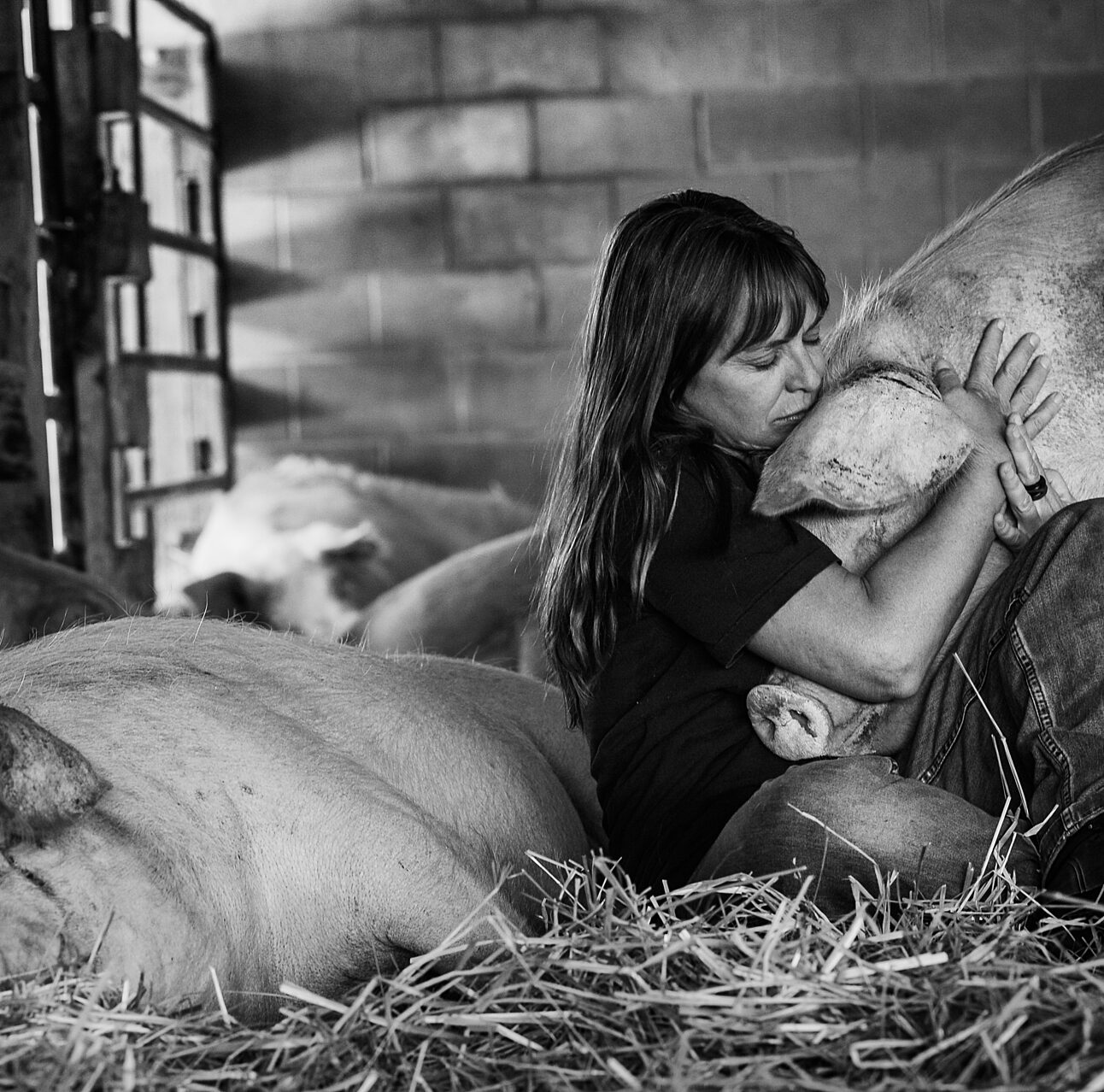
Words are never neutral. They shape how we think and how we see the world around us. When it comes to our animal cousins, language doesn’t just describe their reality, it creates it.
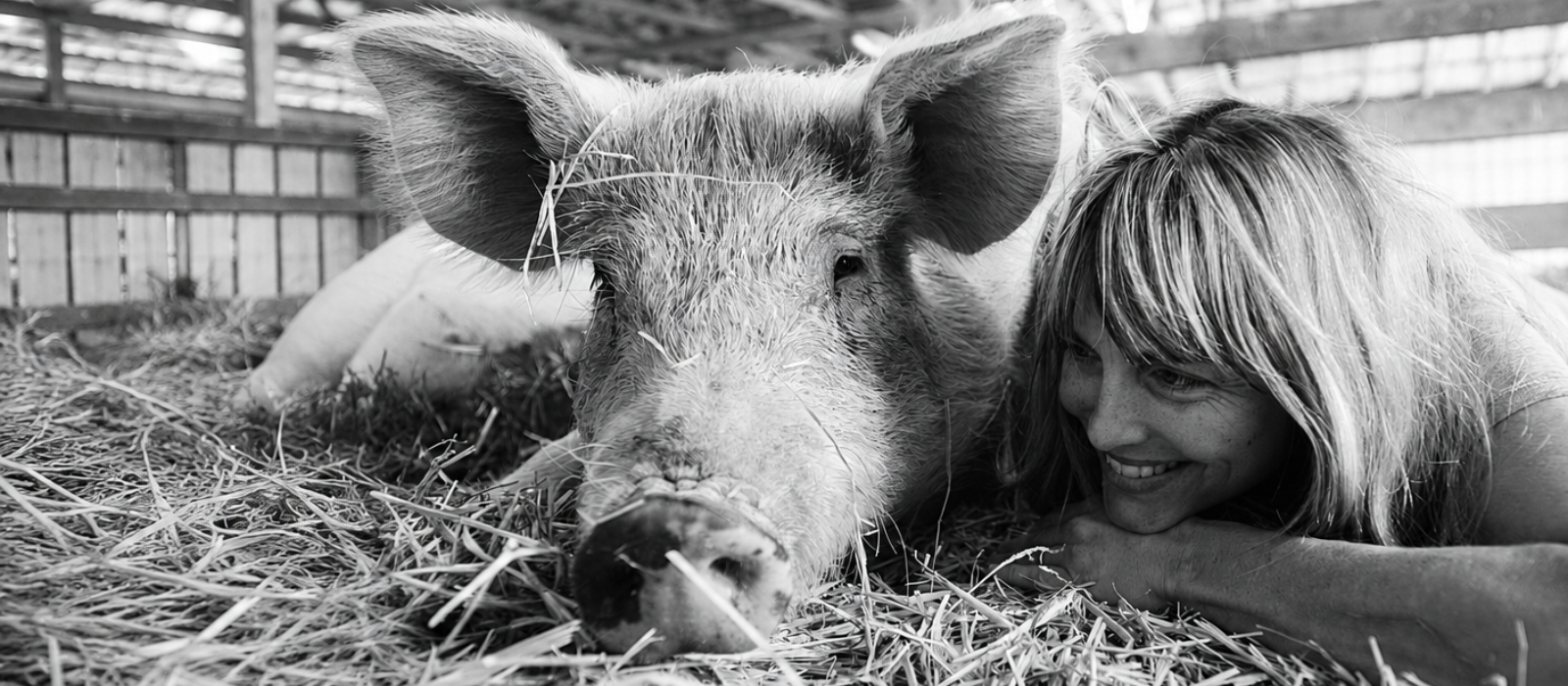
The words we use matter, and they might just be our most powerful tool for animal freedom.
Using terms like “livestock” or even “it” when talking about animals distances us from the individual and their experiences. Industry-specific language – like “poultry” “racehorse” or “test subject” – is used deliberately to obscure practices that most people would find abhorrent.
This is especially true for animals exploited by the farming industry, who rely on euphemisms like “processing” and “harvesting” to conceal the violence of slaughter. In laboratories, animals may be referred to as “models” reducing them to research tools or lab equipment. The language of racing is equally troubling, with terms like “retirement” and “athletes” used to mask the systemic exploitation of horses.
By examining how language is used across these industries, we can better understand how words have shaped our relationship with animals for millennia – and importantly how language may be the first step toward changing those relationships for the better.
The articles below shed more light on why the language we use matters.
Words are never neutral. They shape how we think and how we see the world around us. When it comes to our animal cousins, language doesn’t just describe their reality, it creates it.
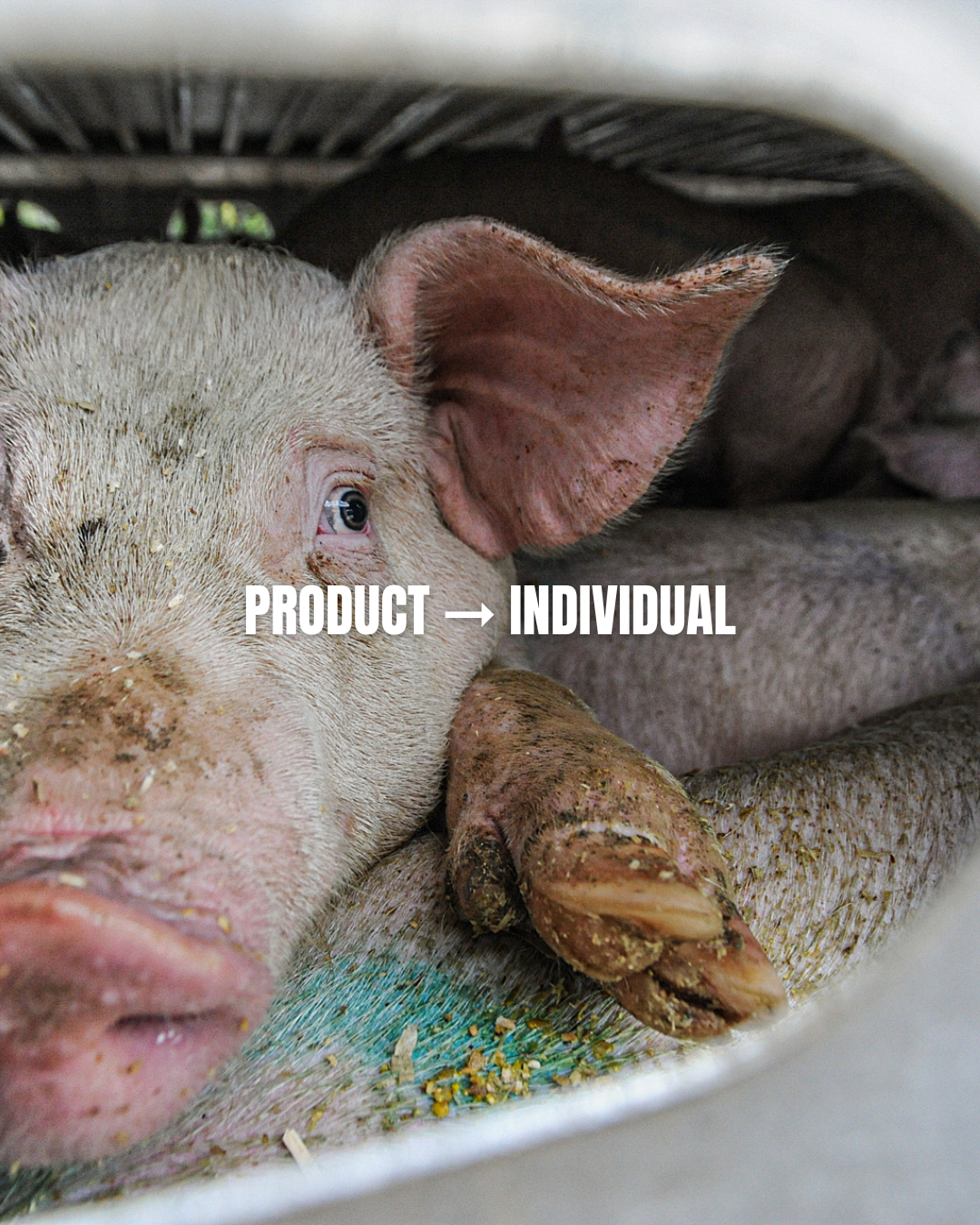
So much of the language we use around animals has been carefully shaped to feel distant, acceptable, comforting. It's not the kind of language that makes you stop and think - and that's the point.
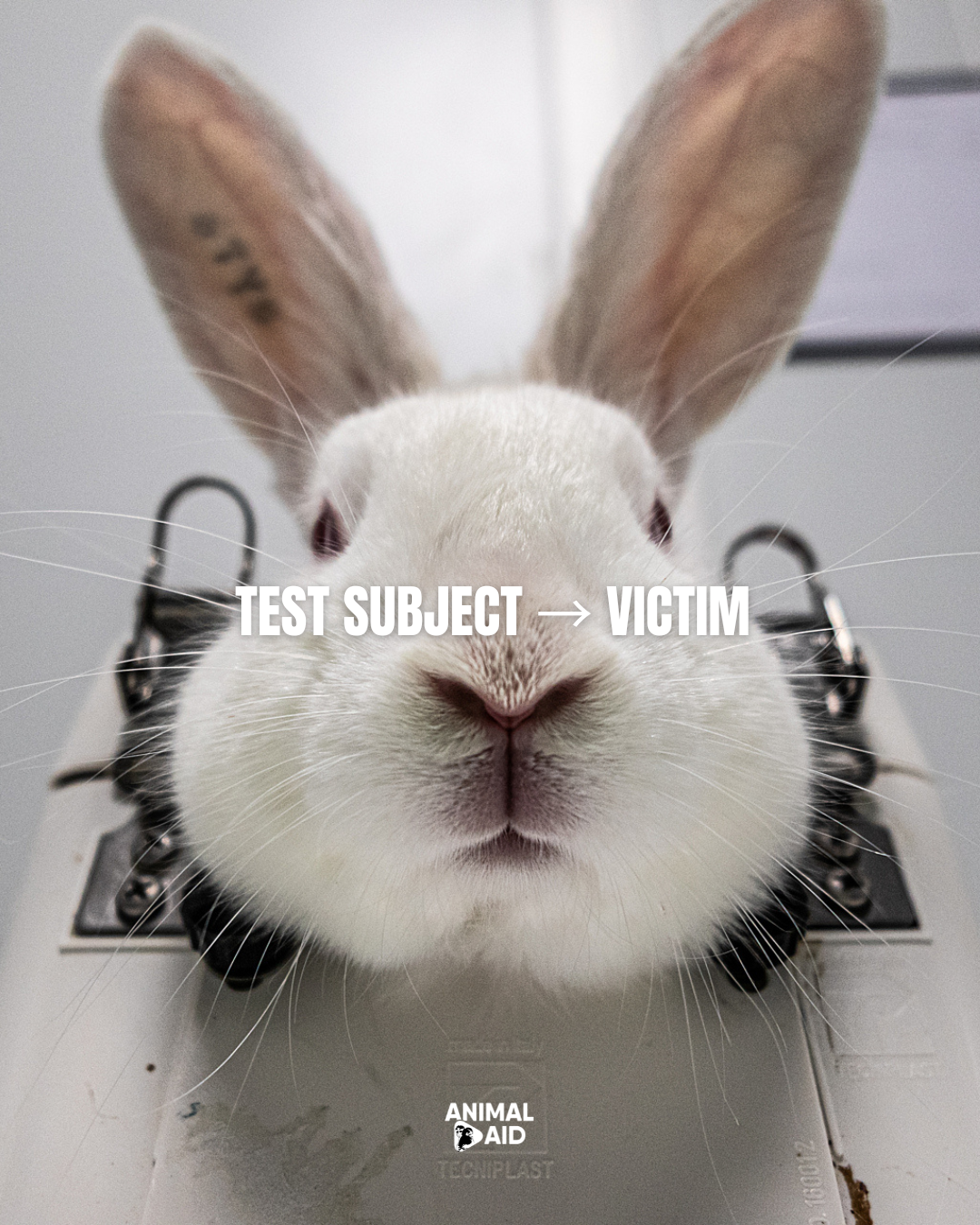
The language of animal testing is clinical and cold, sanitising the true harm that takes place in laboratories. But who benefits from words sounding harmless, and who pays the price?

Behind every carton of eggs or glass of milk is an animal whose life has been reframed through language – softened and sanitised to hide the truth.
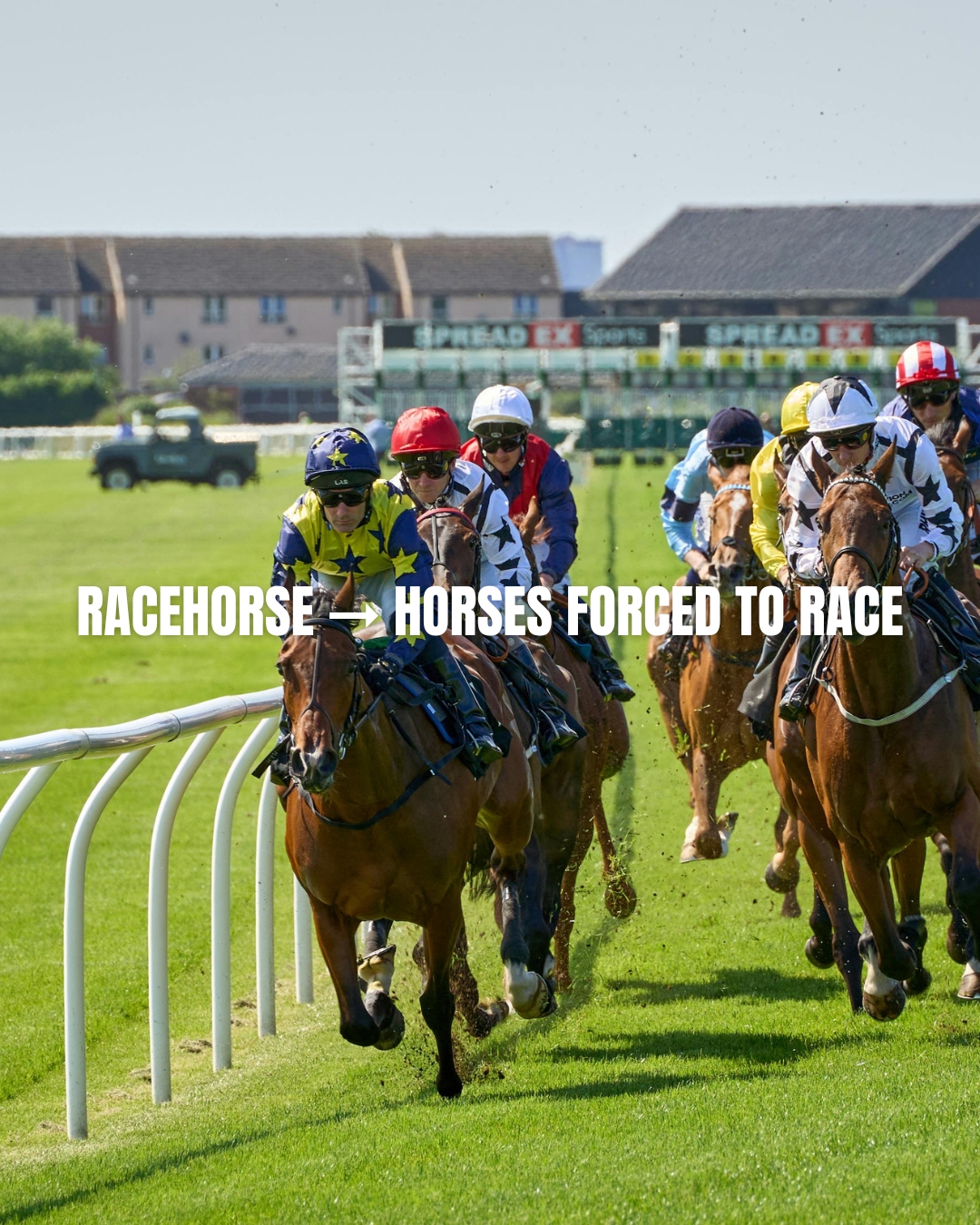
Horse racing has been cleverly marketed as the ‘sport of kings’ buoyed by a PR machine that works overtime to mislead and distract the public.